In strength training, progress is not only about pushing harder; it is also about knowing when to ease off. A deload is a planned reduction in training stress that helps the body and mind recover while preserving momentum.
Why a Deload Matters
Every workout creates two effects at once: long-term adaptation and short-term fatigue. Over time, accumulated fatigue can hide the gains you've built, making lifts feel heavier and performance less responsive. A deload gives the system time to recover so those adaptations can show through again.
Many lifters notice this effect after a short break from training. Once fatigue drops, the bar often feels lighter and movement becomes sharper, even without losing meaningful progress.
When It May Be Time
There is no single universal schedule, but several signs can point to the need for a reset: repeated performance drops, persistent soreness in joints or tendons, low motivation to train, or a period of unusually high stress outside the gym. One difficult session is not enough; a pattern is what matters.
How to Deload
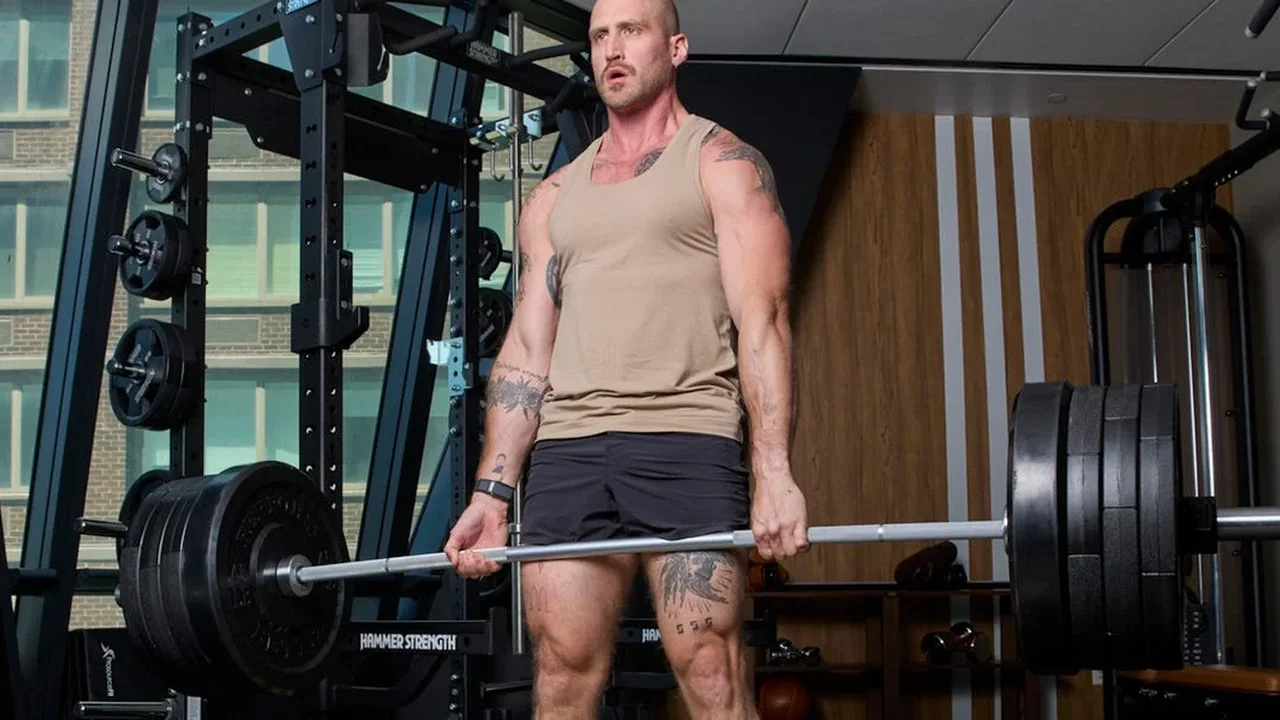
For strength-focused training, a common approach is to reduce load by about 10% and cut total work sets roughly in half. The goal is to keep the movement pattern active while lowering overall strain.
For size-focused training, the emphasis usually shifts to trimming volume and stopping well short of failure. In many cases, reducing sets by a third to a half is enough to refresh recovery without interrupting progress.
Another option is a full week away from lifting. For trained athletes, a short break is unlikely to erase gains, and it can be especially useful during busy periods when recovery is already limited.
Returning to Training
After a deload, the best approach is to re-enter gradually rather than chasing immediate max effort. Start with weights from a couple of weeks earlier, then build back up. The first session may feel flat, but the second often confirms that the reset worked.
Used well, deloads turn recovery into a strategic part of training. In the future, smarter recovery habits may become as essential to performance as the workouts themselves.