The barbell deadlift is one of strength training's most complete movements. By lifting a loaded bar from the floor with control, athletes train the legs, hips, back, core and grip in a single coordinated exercise.
Build the Foundation First
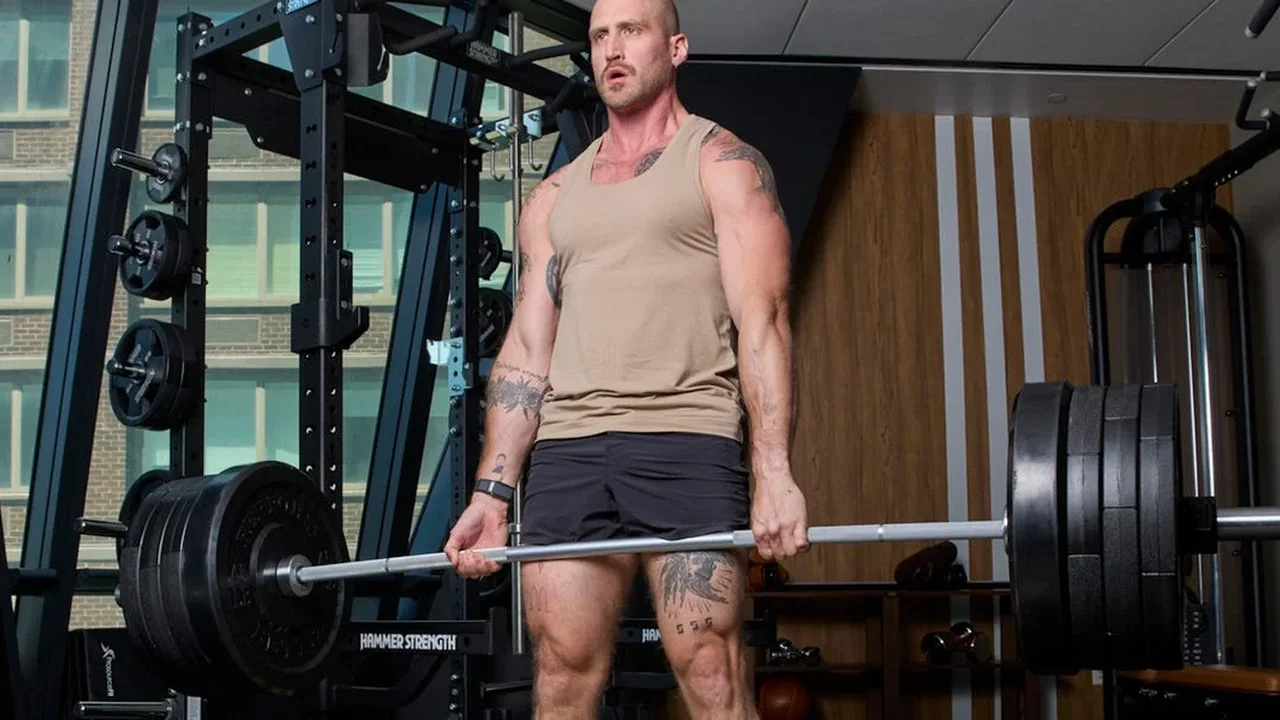
Start with feet roughly shoulder-width apart and position the bar above the middle of the feet. Hinge at the hips, bend the knees as needed and take an overhand grip just outside the legs. Keep the bar close to the body from start to finish.
Before lifting, set the upper back by drawing the shoulder blades into a stable position. Brace the core, keep the neck neutral and ensure the hips sit below the shoulders. The aim is to create a solid, connected posture rather than relying on the lower back alone.
Push through the floor and extend the hips and knees together. At the top, stand tall and engage the glutes without leaning backward. Lower the bar with the same control, resetting position before beginning the next repetition.
Key Technique Priorities
The deadlift is powered primarily by the posterior chain: glutes, hamstrings, spinal erectors and upper-back muscles. A close bar path helps maintain efficient leverage, while a firm overhand grip develops forearm and hand strength.
Each repetition benefits from a deliberate setup. Rather than rushing through a set, lifters can re-brace their torso, secure their grip and re-establish a balanced stance. This approach supports consistency as loads increase over time.
Training With Purpose
Beginners can learn the movement with light resistance, aiming for three or four sets of six to eight controlled repetitions. The deadlift is often best placed early in a lower-body, back or full-body session, when concentration and energy are highest.
Different tools can make the movement more accessible. Dumbbells, kettlebells and trap bars offer useful alternatives, while Romanian, sumo and single-leg variations can add new training focuses. Selecting a version that suits individual mobility and experience can make progression more sustainable.
As strength training becomes more personalized, mastering foundational movements such as the deadlift can help more people build practical strength, confidence and long-term movement literacy.