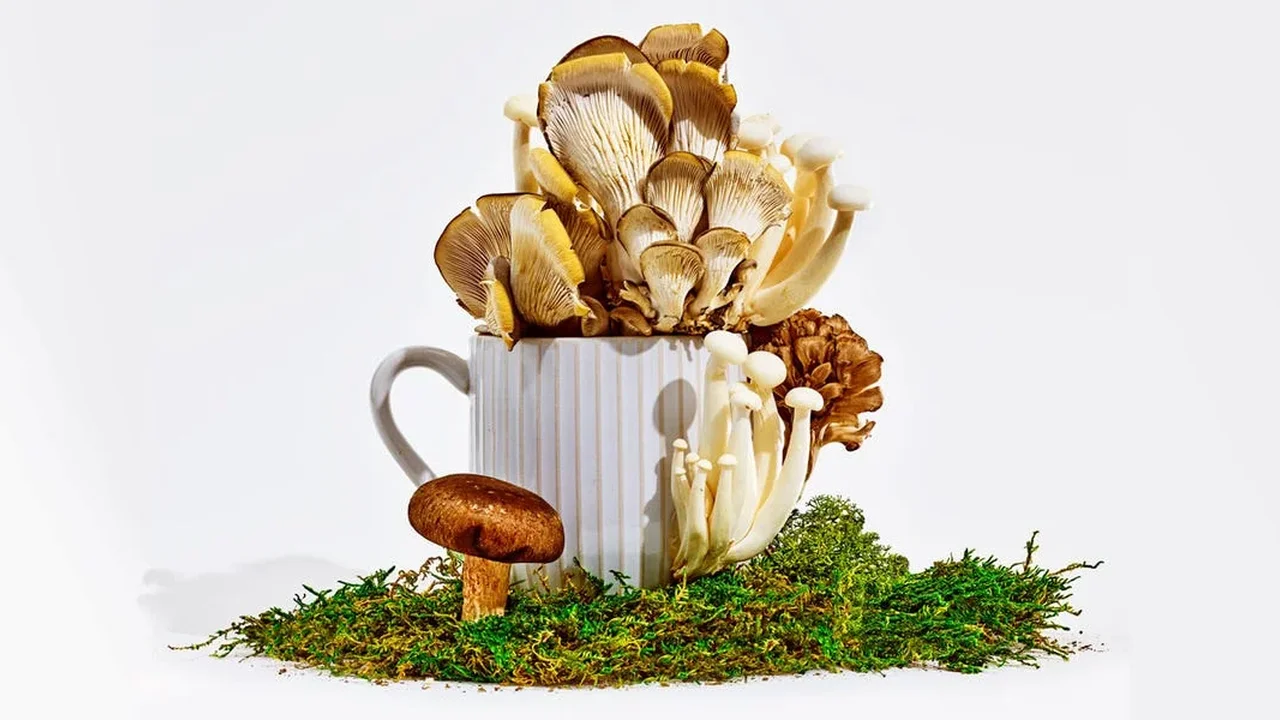
Functional mushrooms have moved from niche wellness shelves into mainstream products, appearing in coffee, teas, gummies, protein bars, and capsules. The appeal is clear: brands often link them to focus, calm, digestion, sleep, and workout support.
What Counts as a Functional Mushroom?
These fungi are different from culinary mushrooms and psychedelic varieties. Functional mushrooms are promoted for potential health effects, but they do not contain psilocybin and are not intoxicating. Popular names in the category include lion's mane, reishi, chaga, cordyceps, and turkey tail.
What the Research Shows
The current science is promising, but still early. Lab and animal studies suggest that some mushroom compounds may influence cognition, immunity, mood, and gut health. However, human trials have generally been small, and results are mixed. That means the bold claims on packaging often move faster than the evidence.
In the U.S., mushroom supplements are sold as dietary supplements, so manufacturers do not need to prove effectiveness before bringing products to market. Labels may highlight benefits such as energy or focus, yet the exact amount of active ingredients is not always disclosed when proprietary blends are used.
Some research has drawn attention to compounds in turkey tail and beta-glucans found in mushrooms, while lion's mane remains one of the most discussed options for brain health. Even so, experts say these findings do not yet justify dramatic expectations.
Safety and Labeling Matter
Mushrooms can absorb substances from their growing environment, which makes sourcing and independent testing important. Certain varieties, such as chaga, may also require extra caution because of naturally high oxalate content. For consumers, third-party certification and clear labeling are key signs of a more reliable product.
For mushroom-infused foods, dosage is another issue. A snack or drink may sound appealing, but if it contains only a small amount of mushroom extract, the nutritional impact may be limited.
In short, functional mushrooms are an interesting category with real scientific potential, but the market still outpaces the data. As research expands, these ingredients could evolve from wellness trend to more precisely understood nutrition tools in the future.