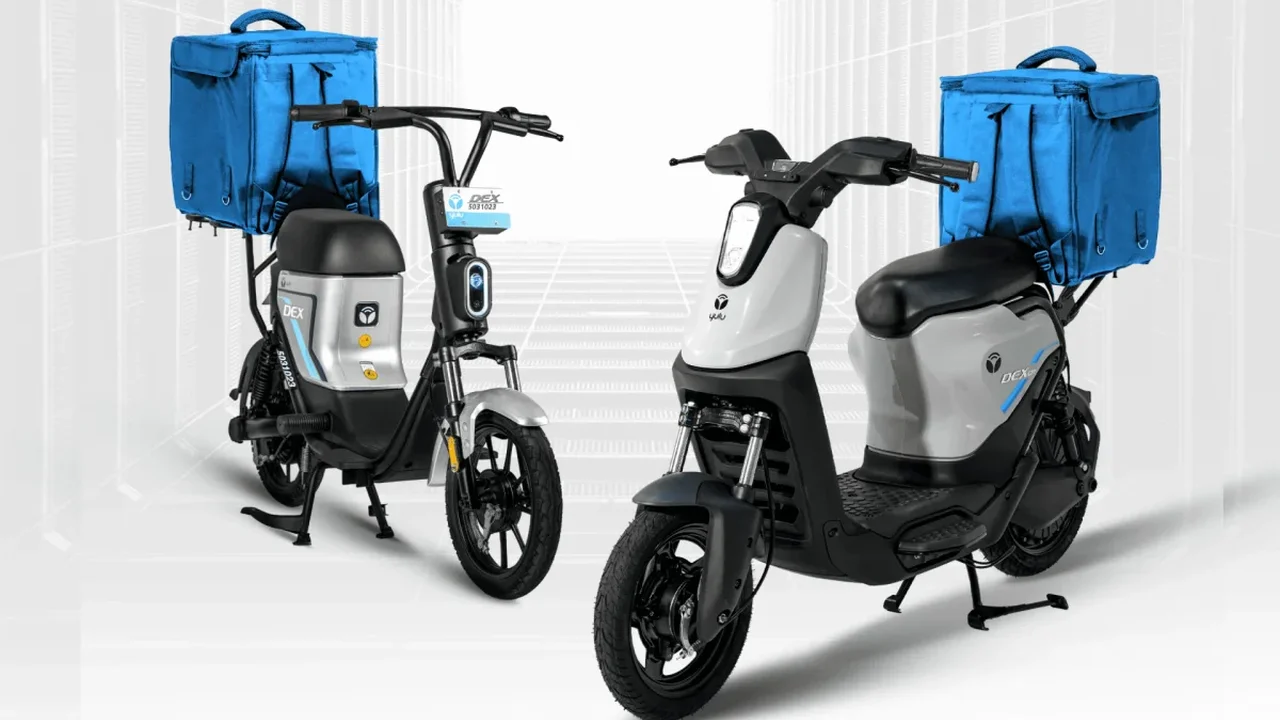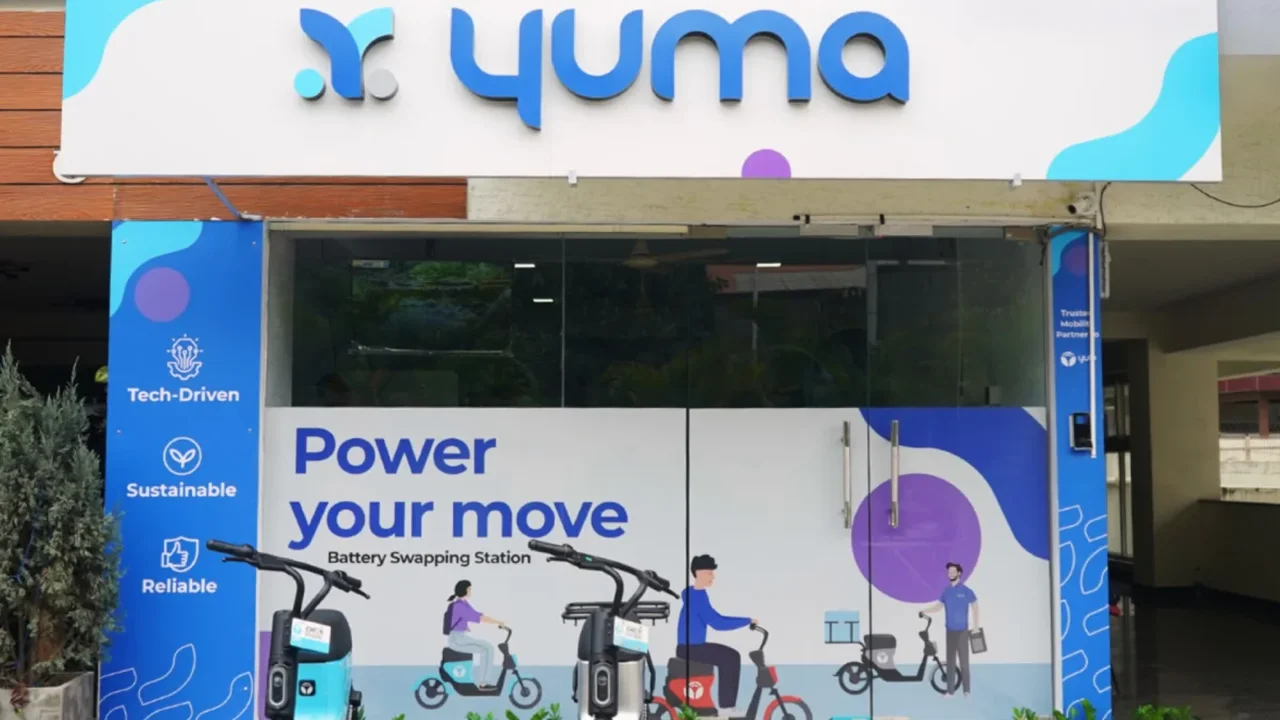
Canadian auto parts giant Magna International is expanding its commitment to battery swapping in India with a new $35 million investment in Yuma Energy, the Bengaluru-based operator serving electric two- and three-wheelers.
Yuma, which emerged from mobility startup Yulu in 2023, says it has already completed more than 60 million swaps and deployed around 100,000 batteries across its network. The fresh capital will help the company scale its infrastructure and broaden access for high-mileage riders.
Built for India's daily mobility rhythm
The company's strategy is closely tied to India's fast-growing gig economy, where delivery workers need quick turnaround times and dependable vehicle uptime. Yuma argues that battery swapping can be more efficient than fast charging, since a battery exchange takes under two minutes and avoids long stops during the workday.
Yuma currently operates more than 400 stations and over 2,500 charging units. It reported about ₹1 billion in revenue for the financial year ending March 2026 and is aiming to reach EBITDA break-even within the next two quarters. Some of its older stations are already EBITDA-positive.
Magna's new funding is expected to support a major expansion over the next 12 to 18 months, including a plan to double Yuma's battery fleet. The company also wants to grow beyond its core customer base, with non-Yulu users already accounting for 15% to 20% of recent swaps.
Yuma now works with more than five fleets and has integrated with over 10 vehicle platforms, including models from Kinetic Green, Motovolt, BGauss, and Quantum Energy. Its network spans 18 Indian cities, and Chennai and Pune are next on the roadmap.
Unlike many network-only operators, Yuma also designs and manufactures its own battery packs and charging units, with production split between Chennai and Bengaluru. As battery-swapping models mature, they could help shape faster, more flexible electric mobility systems across emerging markets.