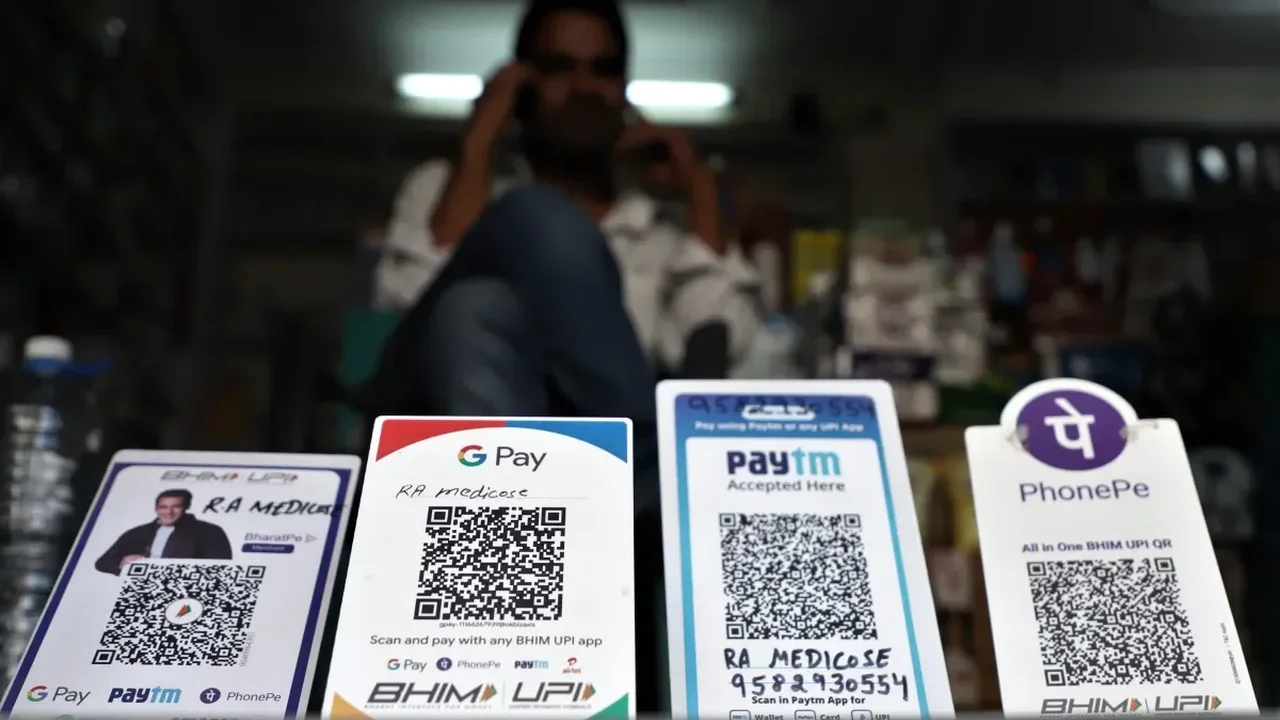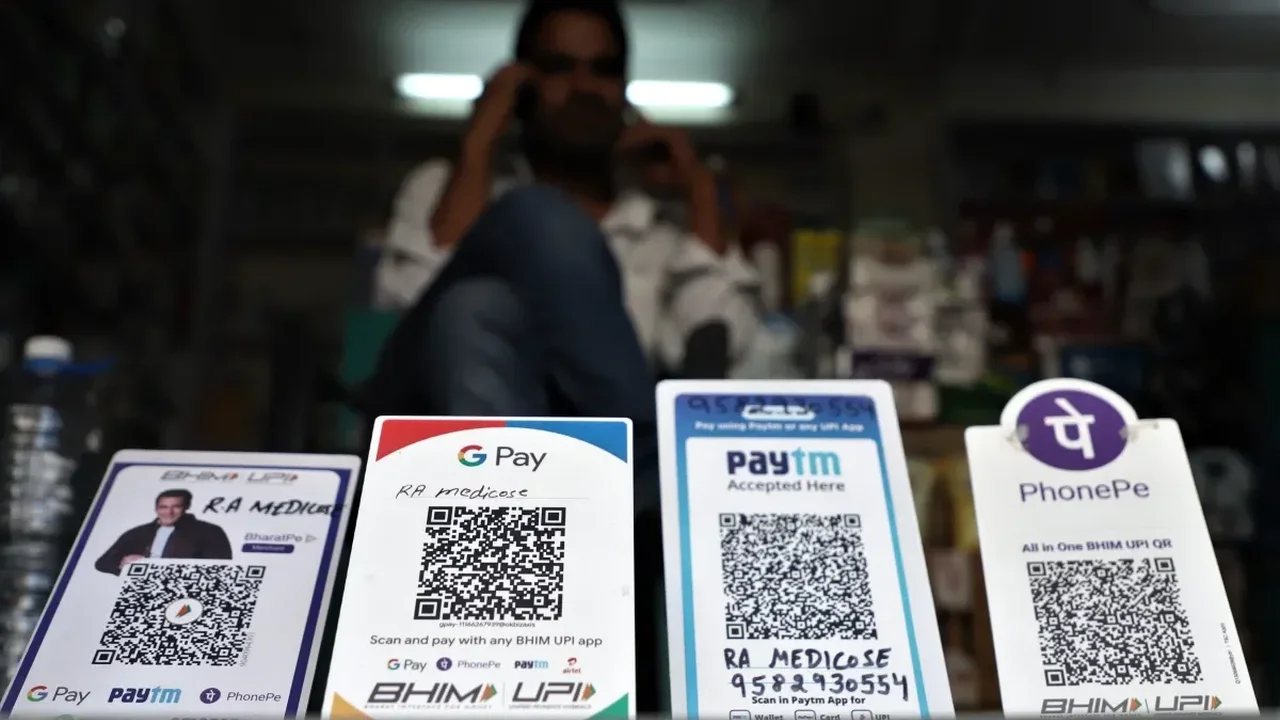
India is preparing a possible shift in the business structure behind Unified Payments Interface (UPI), the country's flagship digital payments network. A new bill could create the legal basis for merchants to pay charges on selected UPI transactions, opening the door to a more commercial model.
Since 2020, businesses have been able to accept UPI payments without paying merchant fees, as part of a policy designed to accelerate adoption. That approach helped UPI scale rapidly, but it also left the system heavily dependent on public support and industry-wide investment.
The timing is notable: in July alone, UPI processed a record 23.66 billion transactions worth ₹29.88 trillion, according to the National Payments Corporation of India, which operates the network. As usage has surged, banks and fintech firms have argued that infrastructure, innovation and cybersecurity costs are becoming harder to absorb without a sustainable revenue model.
The new legislation does not set a fee or define which transactions would be affected. Those details would be decided later. Still, analysts see it as an important first step toward a new income stream for India's payments ecosystem. Jefferies estimates that merchant charges on higher-value transactions could generate ₹50 billion to ₹100 billion annually by fiscal 2028.
Some industry voices say a selective approach could preserve UPI's consumer-friendly experience while helping fund future expansion. Reports suggest any charges may be focused on larger merchants, while everyday person-to-person payments could remain free.
The discussion is also being watched beyond India, as UPI is already live in markets including Singapore, the United Arab Emirates and France. For major players such as PhonePe and Google Pay, the final structure could influence how value is shared across the digital payments chain. The next phase may shape how fast UPI grows from a national success story into a globally scalable payments model.