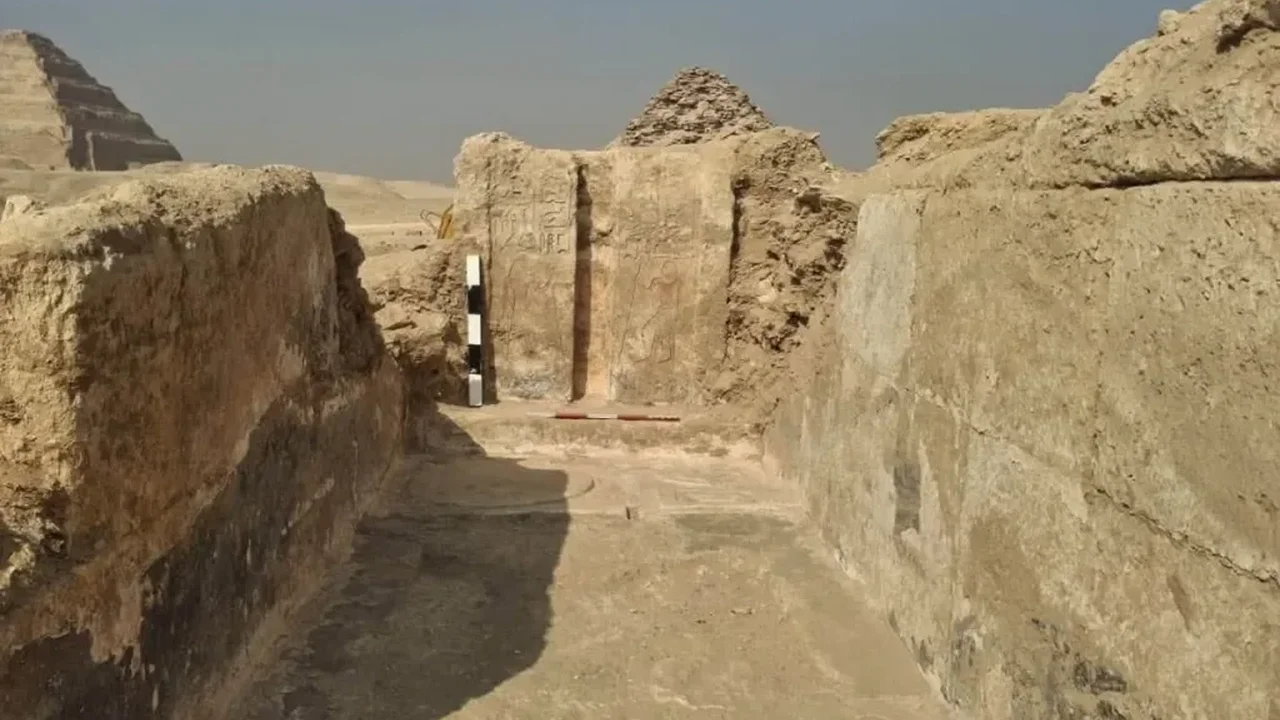
A Czech archaeological team has renewed excavations at Saqqara, uncovering previously unexplored sections of tombs built for prominent officials during Egypt's Old Kingdom, around 2686-2181 BCE.
The site, south of Cairo, served as the necropolis of the ancient city of Memphis. The work is part of a project by the Czech Institute of Egyptology to investigate and document burial sites first explored in the 19th century.
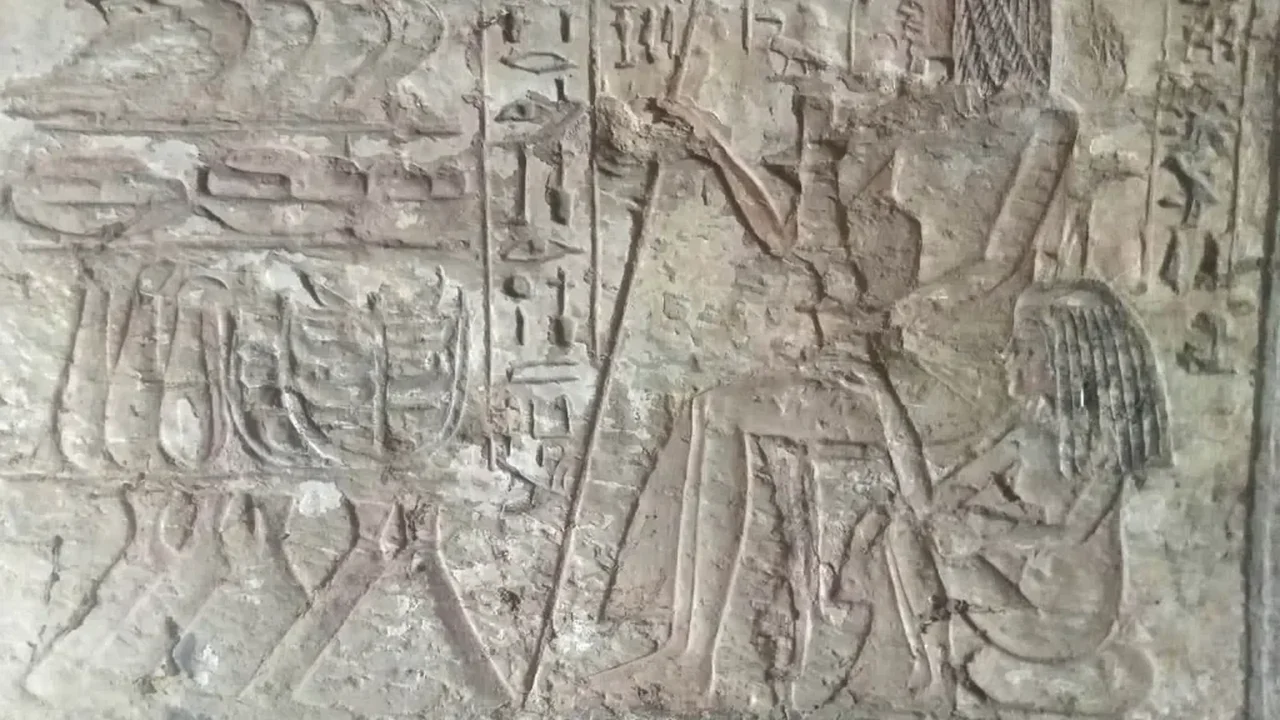
Among the tombs are those of Sabu and his son Ptahshepses, senior figures connected to the cult of Ptah. Researchers also identified an offering chapel belonging to Sabu's wife, Ikhetnefert, which had not been recorded in the earlier excavations. A decorated false door in the chapel depicts Ikhetnefert with her husband and sons, offering new clues about the family.
Sabu's tomb features exterior walls designed to resemble a royal palace façade. In Ptahshepses' tomb, the team found his remains inside a limestone sarcophagus. Analysis suggests he lived beyond the age of 60, an unusually long life for the period.
Historical records indicate that Ptahshepses held senior roles under four Fifth Dynasty kings and married Khamaat, a daughter of King Userkaf. Egyptian antiquities officials say modern documentation of the tombs is helping researchers better understand the religious practices and social lives of Old Kingdom officials.
As the excavations continue, renewed study of Saqqara's burial sites may bring overlooked details of ancient Egyptian society into sharper focus.