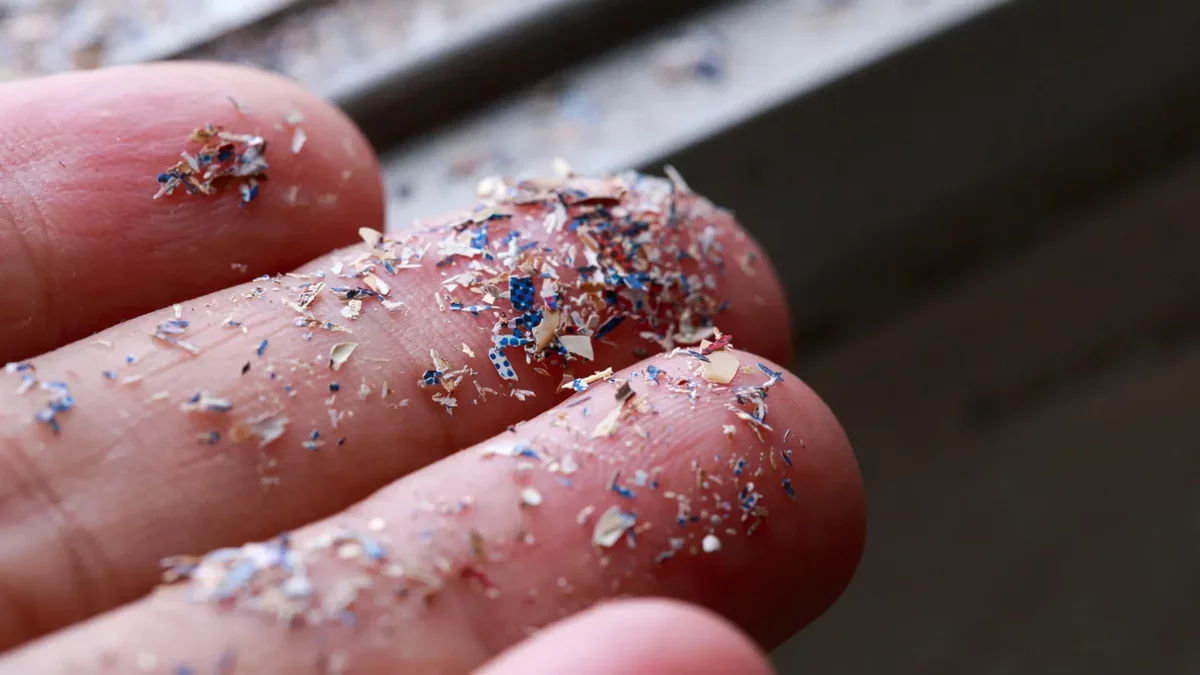
Have you ever wondered what happens to a cigarette butt after it's discarded? A recent study sheds light on this pressing environmental concern, revealing that these ubiquitous items do not decompose as one might hope. Instead, they break down into microplastics that persist in our ecosystems for many years.
Researchers conducted an extensive investigation over nearly a decade, tracking the fate of cigarette filters in various outdoor conditions. The findings indicate that these filters do not fully biodegrade or mineralize; rather, they fragment into smaller pieces, leaving a lasting impact on the soil.
A Decade of Decomposition
In an innovative experiment, scientists placed 12,000 cigarette butts in mesh bags across different environments, including grasslands and sandy soils, as well as controlled lab settings. Over a period of 3,600 days, they monitored mass loss, chemical alterations, microbial activity, and toxicity.
Initially, decomposition was rapid, with the butts losing about 15% to 20% of their mass within the first month. However, this rate slowed dramatically, with total mass loss reaching only 30% to 35% over the next two years. The environment played a crucial role; nutrient-rich grassland soils facilitated greater breakdown compared to barren areas.
After ten years, the most significant mass loss observed was 84% in fertile soils, while samples without soil exhibited only a 52% reduction. This slow degradation process is primarily attributed to cellulose acetate, a durable plastic polymer used in cigarette filters, which resists microbial breakdown.
Microplastics on the Rise
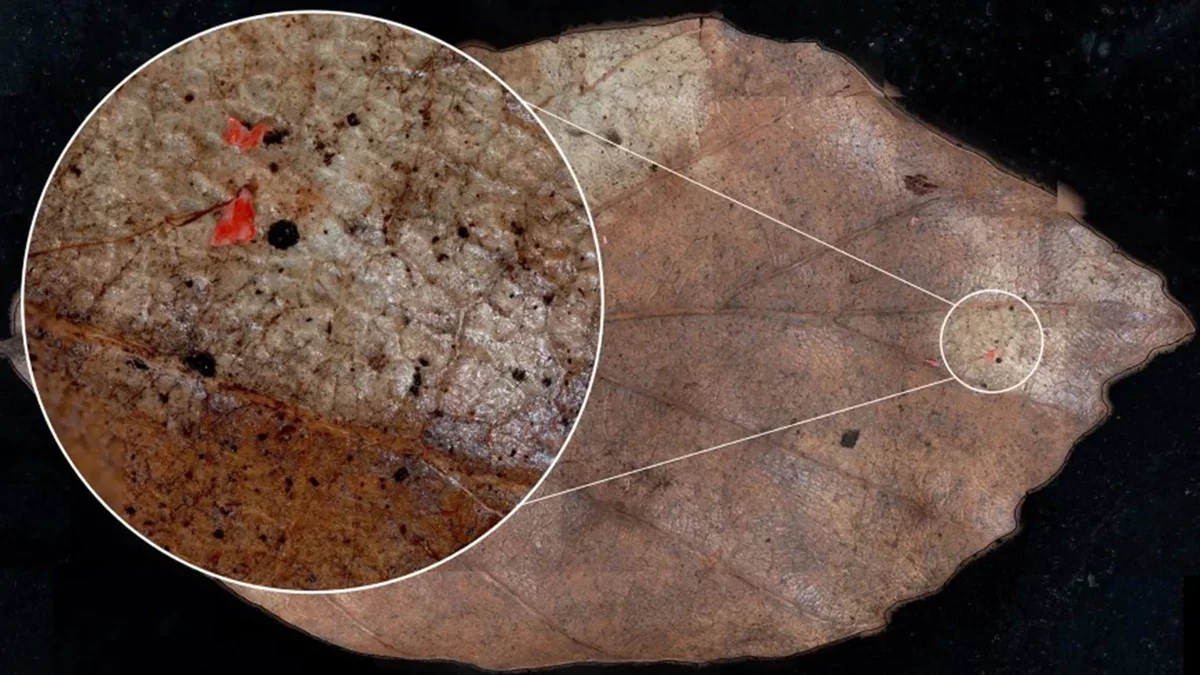
Microscopic examinations revealed that fresh cigarette filters, initially dense bundles of plastic fibers, transformed into less recognizable forms over time. In nutrient-rich environments, these fibers curled and mixed with minerals and organic matter, forming new microplastic-like structures known as "spherulitic" aggregates.
Although these filters may become less visible, they do not fully vanish. Instead, they break into smaller, altered particles that can remain in the soil for extended periods, maintaining their toxicity even after years.
Furthermore, a separate study indicated that tiny fibers from used cigarette filters could negatively affect human immune cells in laboratory settings, suggesting potential health implications from long-term exposure.
Published in the journal Environmental Pollution, this research highlights the enduring presence of cigarette butts in our environment. A cigarette discarded on the street may seem out of sight, but it often leaves behind a legacy of microplastic pollution that can affect ecosystems and potentially human health for years to come.
This study prompts a broader conversation about waste management and environmental sustainability, emphasizing the need for innovative solutions to mitigate plastic pollution and its long-term effects on our planet.