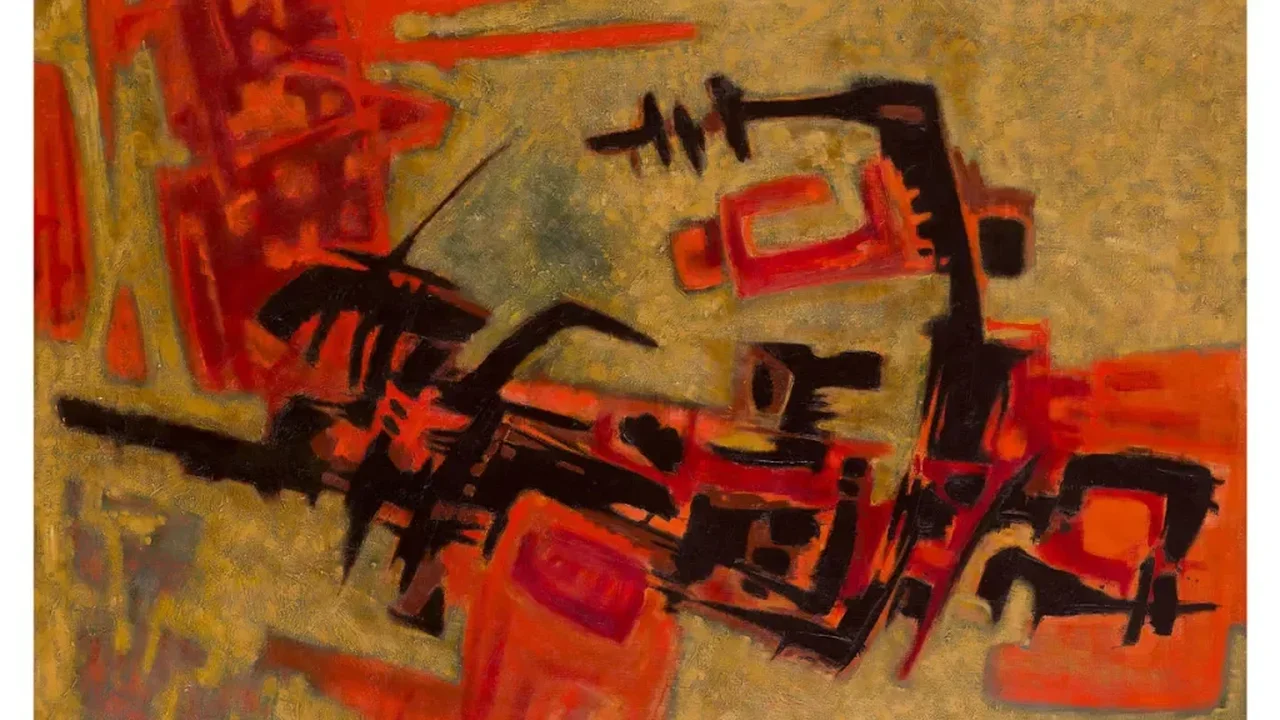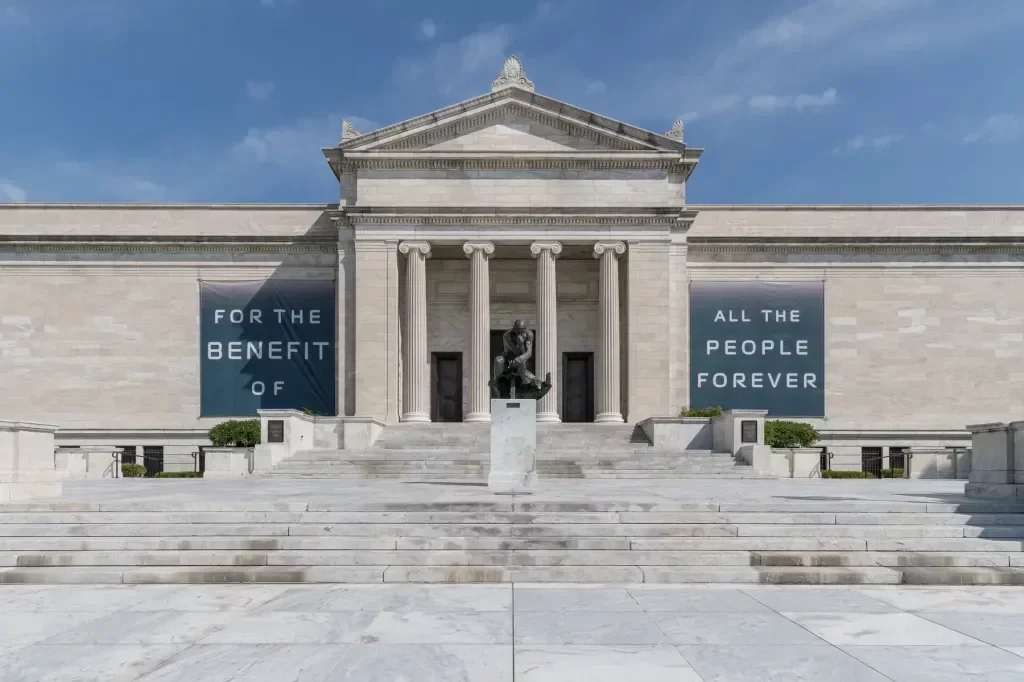
Cleveland, Ohio, has established a remarkable financial framework for its arts and culture sector, largely funded by cigarette purchases. Each time a pack of cigarettes is bought in Cuyahoga County, a portion of the revenue is directed towards supporting various arts organizations, from major museums to smaller institutions.
As reported by the New York Times, Cleveland stands out as "the only place in the country" where such a tax is utilized to bolster the arts. Since its introduction in 2007, this initiative has generated an impressive $270 million through the nonprofit Cuyahoga Arts and Culture. Over this period, approximately 4,000 grants have been awarded to 485 nonprofit organizations. In contrast, the entire state of Ohio has received a mere $48 million from the National Endowment for the Arts during the same timeframe.
Beneficiaries of this funding include the Cleveland Museum of Art, a renowned institution established in 1913, and the Museum of Contemporary Art Cleveland, which has been thriving since 1968. The tax also supports the Cleveland Institute of Art, a vital educational hub in the local arts community.
Additionally, organizations like ICA-Art Conservation, the first nonprofit regional art conservation center in the nation, and Sculpture Center, which nurtures artists through all stages of their creative process, have also received financial assistance. The Cleveland Arts Prize, which awards $10,000 annually to various artists, writers, musicians, and dancers, is another key recipient of these funds.
Running museums is inherently costly, and while ticket sales contribute to their funding, they often fall short. This has led some institutions to seek support from affluent sponsors, which can sometimes lead to controversy, as seen with various organizations facing backlash for accepting funds from fossil fuel and pharmaceutical companies.
Interestingly, there is a historical precedent for cigarette funding in the arts; the Whitney Museum of American Art in New York was previously supported by cigarette money from Philip Morris until its closure in 2008.
While declining smoking rates in Cuyahoga County, which dropped from 35% to 19% over the past decade, benefit public health, they pose a challenge for arts funding as tax revenues have halved. Nevertheless, voters recently demonstrated their commitment to the arts by voting to more than double the cigarette tax rate.
This unique funding model not only highlights the intersection of public health and arts funding but also underscores a community's dedication to sustaining its cultural landscape. The continued support for arts through innovative funding mechanisms like this could inspire similar initiatives across the country, potentially reshaping how cultural institutions are financed in the future.