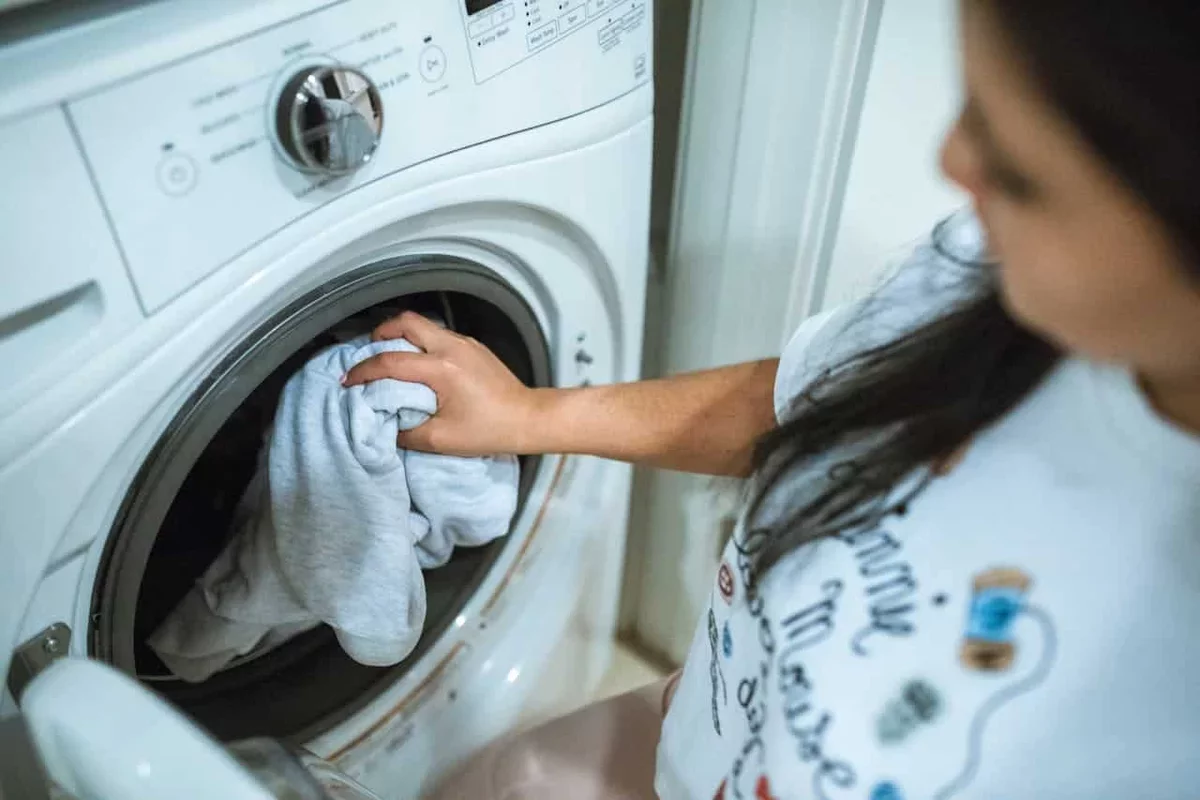
We often follow a familiar routine: tossing stained clothes into the washing machine and adding detergent before letting the machine do its work. While this process saves us a significant amount of time, it also carries a substantial environmental impact. Traditional laundry practices consume vast quantities of fresh water and contribute to the pollution of our waterways due to residual detergents and microplastics released during washing.
Recently, a team of scientists from China has introduced an innovative solution that eliminates the need for detergents altogether. Instead of developing a new cleaning agent, they have engineered a self-cleaning fabric coating that works with plain tap water.
By alternating sprays of two specific polymers, researchers have created a microscopic hydration layer that serves as an invisible barrier. When rinsed with ordinary water, stains, oils, and bacteria are effortlessly removed from the fabric's surface.
The Challenge of Conventional Cleaning
Modern washing machines are more efficient than ever, using as little as 60 liters of water per cycle. However, the fundamental challenge remains: cleaning fabrics requires chemicals, which create wastewater. Detergents are essential for lifting dirt, but they necessitate extensive rinsing to avoid skin irritation and respiratory issues.
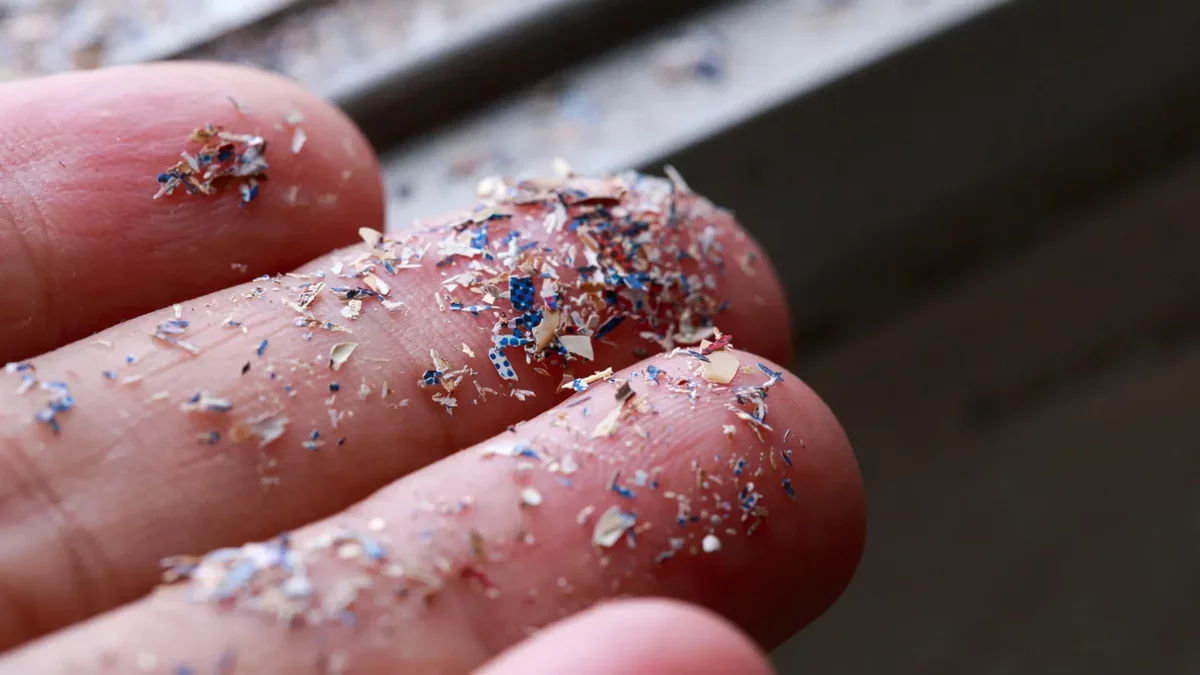
Moreover, the mechanical action of washing machines, combined with surfactants, accelerates the release of microplastics from synthetic fabrics. In fact, household laundry in China generates an estimated 10 billion tons of wastewater annually.
Innovative Water Shield Technology
This research team approached the problem through the lens of interfacial physics. "Our inspiration came from a fundamental question in interfacial chemistry: how can we prevent contaminants from adhering tightly enough to be removed with water alone?" explains Chongling Cheng from Southeast University.
The team applied two oppositely charged polymers to fabrics, creating a multilayered coating. This process enhances the fabric's ability to attract water molecules, forming a stable hydration layer. Instead of repelling water, the fabric captures it, creating a barrier that prevents stains from bonding deeply with the fibers.
When tested with common stains like soy sauce, ketchup, and engine oil, the coated fabrics showed remarkable results, with stains disappearing after a single rinse cycle. The performance was comparable to or exceeded that of untreated fabrics cleaned with premium detergents through multiple wash cycles.
Additionally, this innovative coating also inhibits the growth of bacteria and fungi, addressing concerns about odors and mold.
A Sustainable Future
This groundbreaking approach not only simplifies the laundry process but also significantly reduces water, electricity, and time consumption--by approximately 82%. Furthermore, the absence of detergent minimizes the release of microplastics into the environment, offering a dual benefit of reducing fiber generation and dispersion.
While the coating is currently not available for commercial purchase, its durability has been confirmed through extensive lab testing. The researchers are optimistic about its potential to transform laundry practices and lessen environmental impacts.
This development signals a promising shift towards sustainable cleaning solutions, paving the way for a future where laundry can be done with minimal environmental footprint.