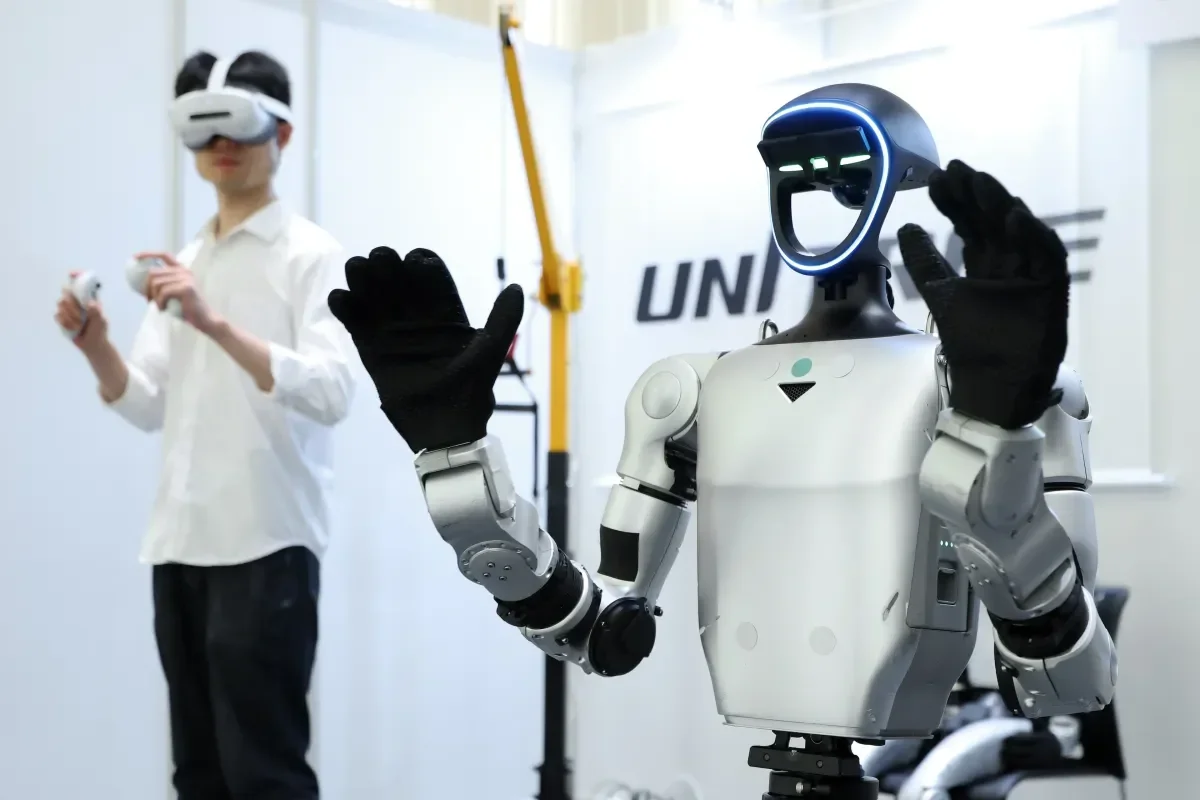
Humanoid robots are moving from concept to commercial ambition, and Chinese automakers are now among the most active players shaping that shift. As AI systems become more capable of learning complex tasks, the robotics race is expanding beyond software into physical machines designed for real-world use.
China's auto industry steps in
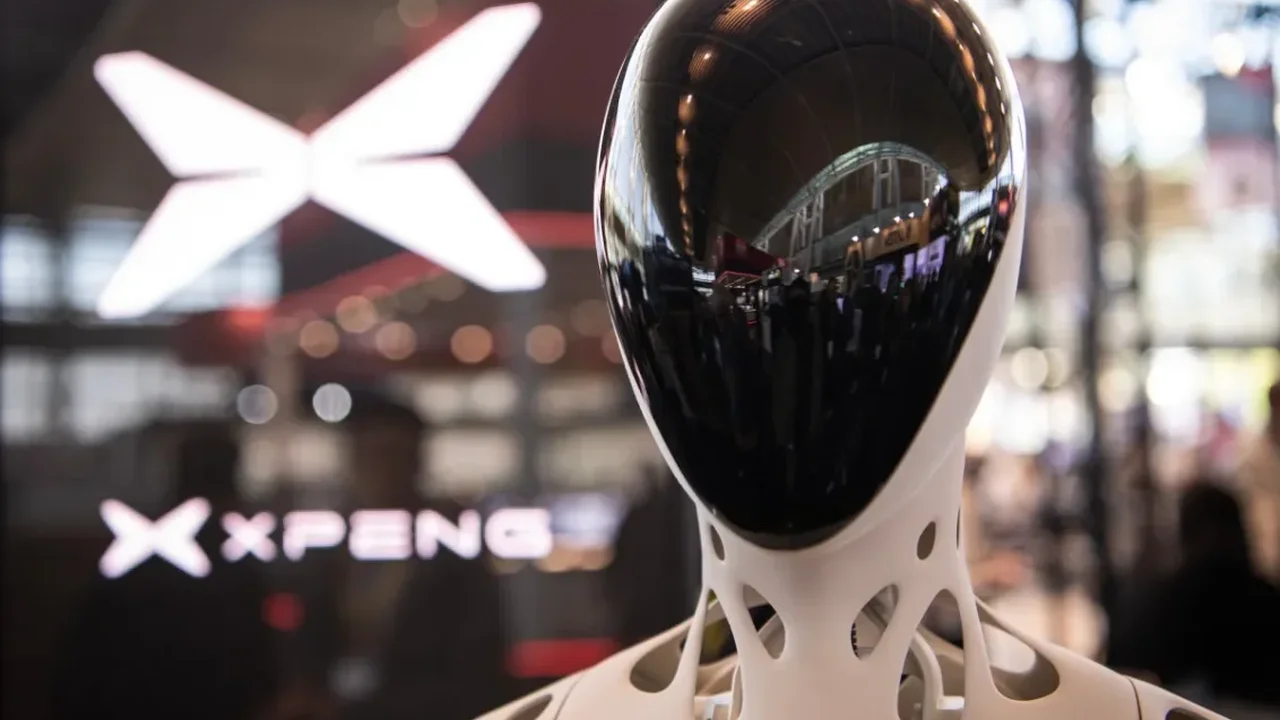
Xpeng's robotics division recently secured more than $900 million in fresh funding, lifting its valuation to above $6.3 billion. The round, backed by investors including IDG Capital, Gaorong Ventures, Tencent, and Alibaba, was presented as a major milestone for China's embodied AI sector, where intelligence is built directly into machines.
Chery Automobile's robotics arm, AiMOGA, is also reportedly preparing for an IPO, while BYD has introduced a humanoid robot named Xiao Di. Other automakers such as Changan, GAC, Li Auto, SAIC, and Seres are developing similar systems, signaling a broader industrial move toward robotics.
Why the sector is gaining momentum
Industry observers say companies like Xpeng are closely tracking Tesla's robotics strategy. Xpeng founder He Xiaopeng and co-president Brian Gu have also shown strong confidence in the field, reportedly investing about $100 million of their own capital into the latest funding round.
The company's flagship robot, Iron, is designed for commercial deployment and reflects a growing belief that robotics may offer stronger long-term potential than the automotive market alone. Chinese manufacturers bring a clear advantage in production scale and hardware expertise, while the next frontier remains advanced AI integration.
Beyond China, the global race includes names such as Agility Robotics, Apptronik, Figure, and Hyundai-owned Boston Dynamics, all working toward large-scale deployment. Hyundai plans to introduce Atlas at its Georgia factory, while also building a training center to teach robots movement patterns for industrial tasks.
As investment, manufacturing, and AI converge, humanoid robots are becoming a serious platform for the next wave of intelligent industry. The coming years may define how deeply robots enter everyday work and reshape global production models.