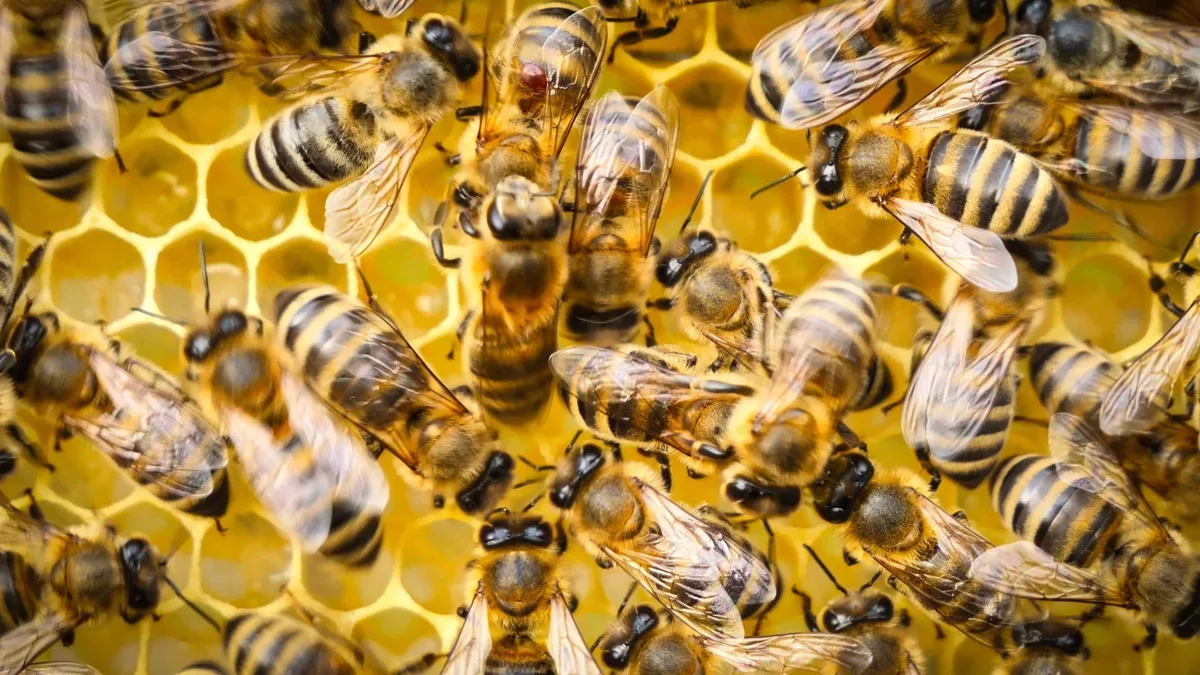
In a remarkable development for beekeeping, reports indicate that beekeepers across the nation faced a staggering 62% loss of managed honeybee colonies in 2025, raising alarms about food security. These declines stem from various factors, including pesticide exposure, climate change, habitat loss, and parasitic threats, with the Varroa mite being a primary concern.
The Impact of Varroa Mites on Honeybees
Varroa mites pose a significant threat to honeybees by feeding on their fat body tissues, which are crucial for immune defense, metabolism, and energy reserves. This damage parallels the functions of vital organs in humans, such as the liver and immune system. Consequently, affected bees experience weight loss, increased susceptibility to diseases, and reduced lifespans.
Moreover, these mites are vectors for lethal viruses, including the Deformed Wing Virus and Acute Bee Paralysis Virus, which they transmit directly into the bees' bloodstream. While beekeepers often resort to chemical treatments to manage these infestations, the efficacy of these solutions can diminish over time.
Breakthrough Research on Hybrid Bees
Encouraging findings from a study conducted by researchers at UC Riverside, published in Scientific Reports, reveal that a group of locally adapted honeybees can effectively manage mite populations without extensive treatments. This study is groundbreaking as it showcases the bees' natural resilience against Varroa mites.
Genesis Chong-Echavez, a graduate student at UCR and the lead author, expressed, "We often heard that these Californian honeybees thrived with fewer treatments, so I wanted to rigorously test this observation." Collaborating with the Center for Integrative Bee Research (CIBER) at UCR, the team monitored 236 honeybee colonies from 2019 to 2022.
Significant Reduction in Mite Populations
The study found that while these bees are not entirely mite-resistant, they outperform standard commercial colonies significantly. Colonies led by locally raised hybrid queens exhibited an average of 68% fewer mites compared to those managed by commercial queens and were over five times less likely to reach levels requiring chemical intervention.
These hybrid bees originate from a naturally occurring population in Southern California, often derived from feral colonies. Genetic analysis indicates they possess traits from at least four distinct honeybee lineages, including African and European varieties.
Larval Defense Mechanisms
To uncover the reasons behind this enhanced performance, researchers focused on the larvae stage, as Varroa mites must invade brood cells to reproduce. They discovered that mites showed less interest in the larvae of hybrid Californian bees, particularly around the vulnerable seven-day mark, suggesting that defense mechanisms may be rooted in genetics rather than learned behaviors.
Broader Implications for Honeybee Sustainability
This research holds promise for the future of honeybee populations worldwide. As vital pollinators responsible for crops valued in the billions, honeybees face numerous environmental challenges. The findings indicate that leveraging natural biological traits could bolster bee resilience.
Co-author Boris Baer emphasized the importance of collaboration with beekeepers, stating, "This inquiry originated from their insights, highlighting their role in shaping our research." Looking ahead, researchers aim to identify the specific traits that enable these bees to thrive and explore potential breeding strategies to enhance mite resistance.
As we confront the global decline of pollinators, this research offers a beacon of hope, suggesting that solutions may already exist in nature, waiting to be understood and harnessed.