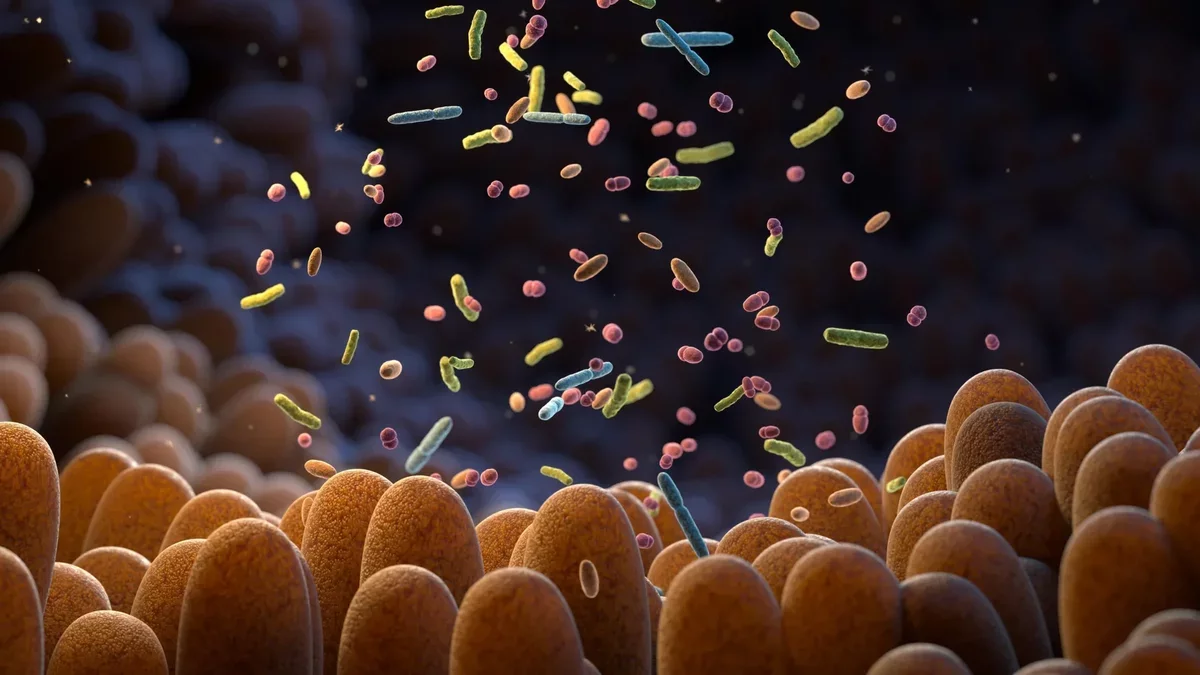
Recent research has unveiled crucial connections between specific gut bacteria and chemical compounds, known as metabolites, and various diseases, including cancer. This groundbreaking discovery paves the way for earlier and less invasive diagnostic methods, potentially identifying risks across multiple health conditions.
AI-Driven Insights into Gut Biomarkers
Utilizing advanced machine learning and AI technologies, scientists analyzed microbiome and metabolome data from patients with gastric cancer (GC), colorectal cancer (CRC), and inflammatory bowel disease (IBD). Remarkably, models developed for one condition frequently predicted biomarkers for others. For instance, insights from GC data were able to pinpoint IBD markers, while CRC models effectively identified markers associated with GC.
This innovative research was conducted by teams from the University of Birmingham Dubai, the University of Birmingham in the UK, and the University Hospitals Birmingham NHS Foundation Trust. Their findings are detailed in the Journal of Translational Medicine.
Dr. Animesh Acharjee, the lead co-author from the University of Birmingham, noted, "While current diagnostic techniques like endoscopy and biopsies are valuable, they can be invasive and costly, often missing early-stage diseases." He emphasized that their analysis enhances understanding of disease mechanisms and highlights critical biomarkers that could lead to more personalized and precise treatments.
Distinct and Shared Gut Signatures
The study identified unique microbial and metabolic signatures for each disease, while also revealing significant overlaps. In cases of GC, bacteria from the Firmicutes, Bacteroidetes, and Actinobacteria groups were prevalent, alongside metabolites like dihydrouracil and taurine. Some of these markers were also linked to IBD, suggesting shared biological characteristics, although they proved less effective for CRC detection.
For CRC, notable indicators included bacteria such as Fusobacterium and Enterococcus, with metabolites like isoleucine and nicotinamide being key players. These findings indicate potential common biological pathways between GC and CRC. In IBD, the Lachnospiraceae family of bacteria, along with metabolites like urobilin and glycerate, emerged as significant, with some markers involved in cancer processes, highlighting the interconnected nature of these conditions.
Metabolic Simulations Enhance Understanding
The research team also conducted simulations to observe the growth of gut microbes and the flow of metabolites through biological systems. These simulations illustrated clear metabolic distinctions between healthy individuals and those with diseases, reinforcing the role of identified biomarkers in diagnostics.
Dr. Acharjee commented, "Our cross-disease analysis underscores the potential of microbial and metabolic biomarkers from one gastrointestinal disease to predict others. This forward-thinking approach could lead to universal diagnostic tools, transforming the landscape of diagnosis and treatment for various gastrointestinal disorders."
Future Directions: Non-Invasive Testing and Tailored Therapies
Looking forward, the researchers aim to translate these findings into clinical applications, focusing on developing non-invasive diagnostic tests and targeted therapies based on the biomarkers identified. They also plan to validate their models with larger, more diverse patient populations and explore the potential for predicting additional related diseases in the future.