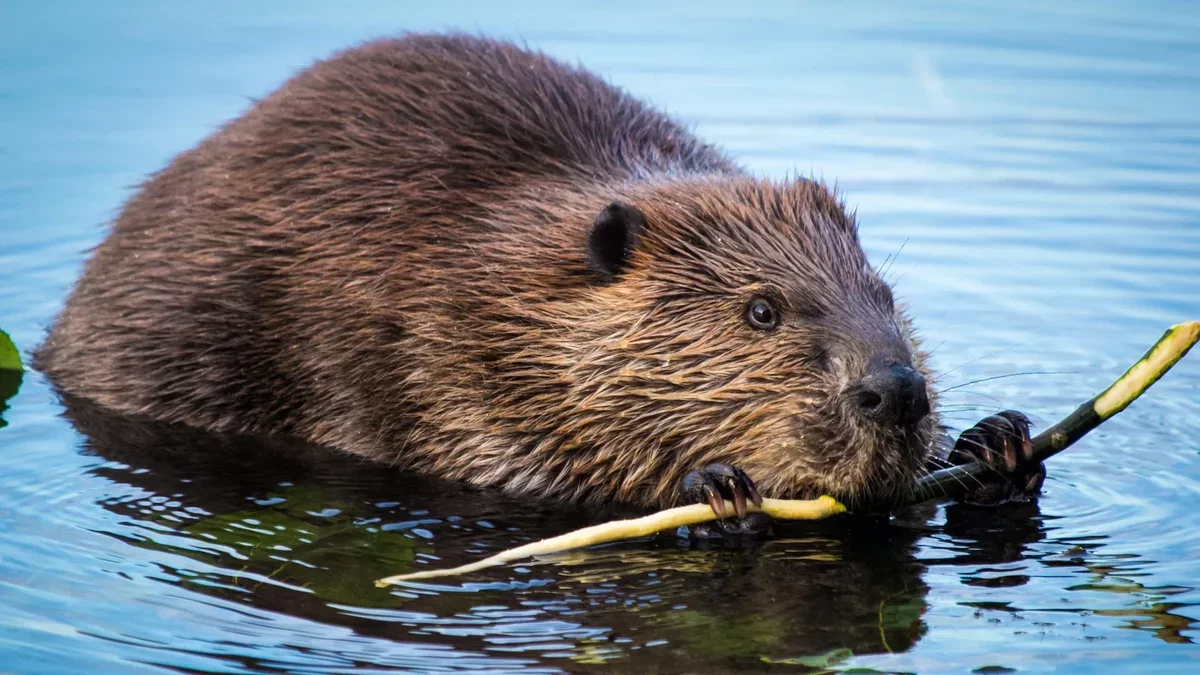
According to a groundbreaking study published in Communications Earth & Environment, researchers have for the first time quantified the carbon dioxide (CO2) emissions and capture linked to beaver activities in wetland ecosystems. The collaborative effort involved experts from the University of Birmingham, Wageningen University, the University of Bern, and other international partners, and was conducted in a stream corridor in northern Switzerland, where beaver populations have thrived for over a decade.
The findings reveal that wetlands influenced by beavers can sequester carbon at rates up to ten times greater than comparable areas devoid of these industrious animals. Over a period of 13 years, the study site accumulated approximately 1,194 tonnes of carbon, equating to an impressive 10.1 tonnes of CO2 per hectare annually.
Dr. Joshua Larsen, the lead author from the University of Birmingham, emphasized the transformative role of beavers: "Our research indicates that beavers do more than modify landscapes; they fundamentally alter the dynamics of CO2 within them. By decelerating water flow, trapping sediments, and expanding wetlands, beavers convert streams into potent carbon sinks. This pioneering study opens avenues for innovative nature-based climate solutions throughout Europe."
Beaver Dams and Carbon Dynamics
As beavers reestablish themselves in various European habitats, their influence on carbon cycling is becoming increasingly apparent, particularly in headwater streams where rivers originate. By constructing dams, beavers create flooded areas that form wetlands, redirect groundwater, and capture both organic and inorganic materials, including CO2. These modifications significantly enhance carbon storage and circulation within these ecosystems.
The research employed a comprehensive approach, integrating hydrological measurements, chemical analyses, sediment evaluations, greenhouse gas (GHG) monitoring, and long-term modeling to establish a detailed carbon budget for beaver-affected landscapes in Europe.
Findings indicate that the wetland functions as a net carbon sink, with an average annual storage of 98.3 ± 33.4 tonnes of carbon, largely due to the retention of dissolved inorganic carbon beneath the surface. Seasonal variations were noted, with summer months occasionally seeing CO2 emissions surpass storage, temporarily turning the area into a carbon source. However, throughout the year, the accumulation of sediments, plant matter, and deadwood led to significant net carbon storage, while methane emissions remained minimal.
Dr. Lukas Hallberg, another key researcher from the University of Birmingham, remarked on the rapid transformation of the studied system into a long-term carbon sink, emphasizing its potential for informing land-use planning and rewilding initiatives.
Long-Term Carbon Storage Potential
As sediments and deadwood accumulate in beaver-created wetlands, carbon becomes securely locked in place. The study revealed these sediments contain significantly higher levels of inorganic and organic carbon compared to adjacent forest soils. The long-term carbon reserves can persist for decades, showcasing the stability of beaver-modified wetlands as enduring carbon sinks.
By applying their findings to all potential floodplain areas in Switzerland suitable for beaver recolonization, researchers estimated that these wetlands could mitigate 1.2-1.8% of the nation's annual carbon emissions, all without requiring direct human intervention.
This research, spearheaded by the University of Birmingham and its partners, underscores the significant role of beavers in climate mitigation strategies. As beaver populations grow, ongoing studies will be vital to fully understand their impact on ecosystems and carbon storage in the future.