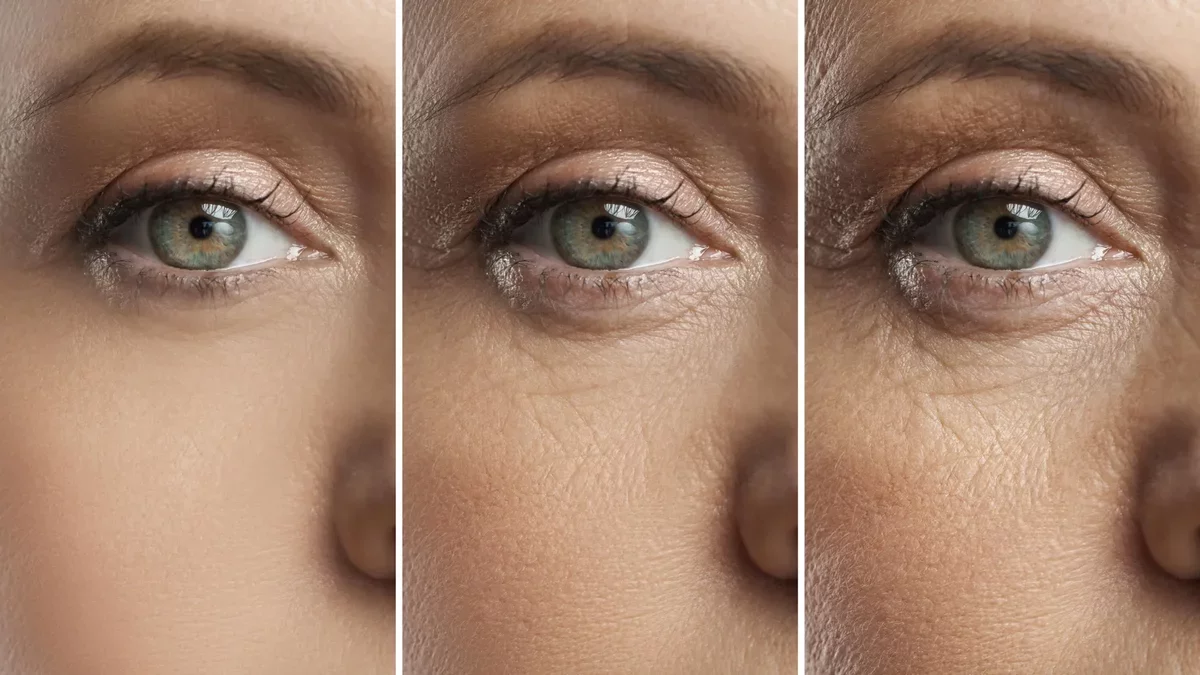
Researchers from the University of California, Irvine are investigating an innovative approach to combat age-related vision decline. Their recent study explores a treatment that could potentially slow down or even reverse the effects of aging in the eye, particularly addressing conditions like age-related macular degeneration (AMD).
According to Dorota Skowronska-Krawczyk, PhD, an associate professor in the Departments of Physiology and Biophysics and Ophthalmology and Visual Sciences, "We show the potential for reversing age-related vision loss." This research involved collaboration with the Polish Academy of Sciences and the Health and Medical University in Potsdam, Germany. The findings were published in Science Translational Medicine, in a paper titled "Retinal polyunsaturated fatty acid supplementation reverses aging-related vision decline in mice."
Understanding the ELOVL2 Gene's Role
This study builds on prior research focused on the Elongation of Very Long Chain Fatty Acids Protein 2 (ELOVL2) gene, a significant marker of aging. Skowronska-Krawczyk explains, "We showed that we have lower vision when this ELOVL2 enzyme isn't active." Previous studies indicated that enhancing ELOVL2 activity in older mice increased levels of the omega-3 fatty acid docosahexaenoic acid (DHA) in the eye, resulting in improved visual function.
The current study sought to replicate these results by delivering the necessary fatty acids directly, without depending on the ELOVL2 enzyme.
The Connection Between Aging and Vision
As individuals age, changes in lipid metabolism lead to a decrease in very-long-chain polyunsaturated fatty acids (VLC-PUFAs) within the retina. These essential molecules are crucial for maintaining healthy vision, and their depletion can worsen eyesight and elevate the risk of AMD.
Researchers tested the hypothesis that providing the eye with specific fatty acids could enhance visual performance in older mice. "It's a proof-of-concept for turning lipid injection into a possible therapy," Skowronska-Krawczyk notes, highlighting that DHA alone did not yield the same positive effects.
"Our work confirms that DHA alone cannot do the work, but we have this other fatty acid that is seemingly effective in improving vision in aged animals," she adds, noting that molecular evidence supports the reversal of aging features.
Genetic Insights into Macular Degeneration
The research team also identified genetic variants associated with accelerated progression of AMD linked to the ELOVL2 enzyme. "Now we actually have a genetic connection to the disease and its aging aspect," Skowronska-Krawczyk states, suggesting the potential for identifying individuals at higher risk for vision loss.
A Broader Implication for Anti-Aging Therapies
These findings reinforce the significance of ELOVL2 in aging. Skowronska-Krawczyk believes it is a prime candidate for future anti-aging therapies. Furthermore, this research may extend beyond vision, as studies are underway to explore how lipid metabolism impacts aging in the immune system.
Skowronska-Krawczyk expresses optimism that lipid supplementation could enhance not only vision but also bolster the immune system, opening new avenues for combating age-related health issues.