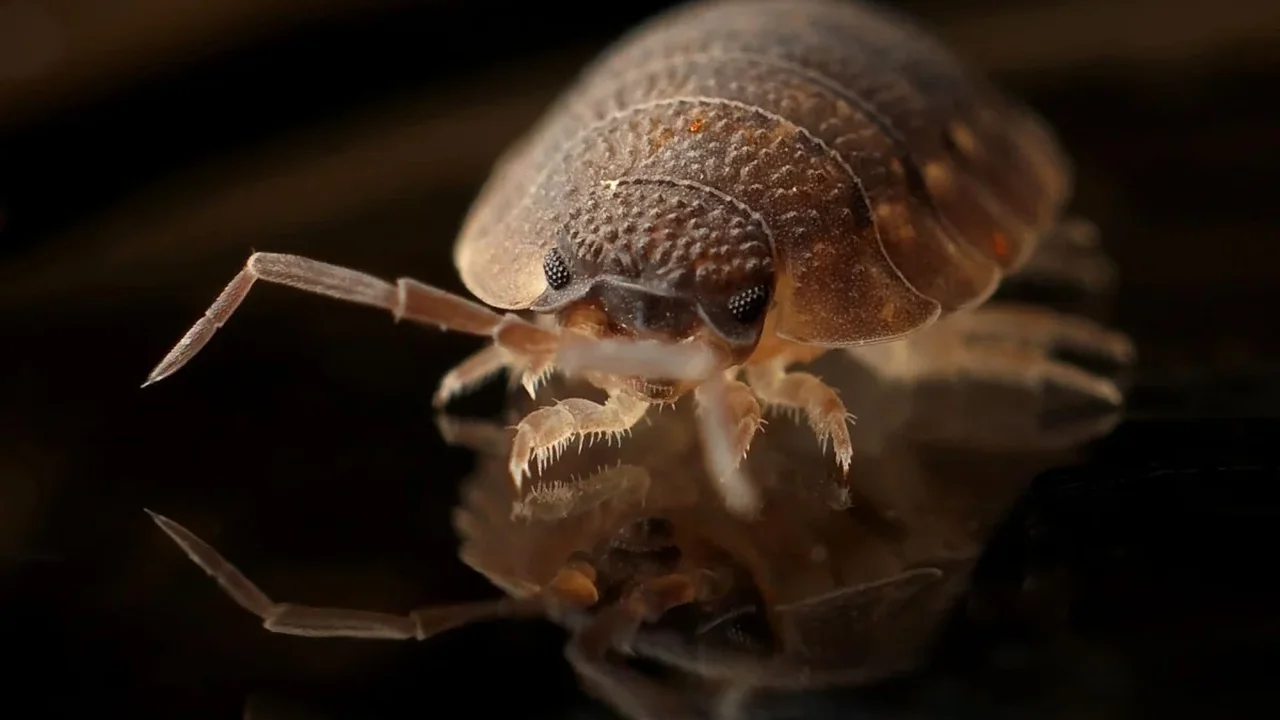
Researchers at the University of California, Riverside have identified a surprising behavior in bed bugs: they instinctively steer away from moisture. The finding emerged during routine laboratory work and may open new paths for smarter pest-control strategies.
In the study, scientists observed common bed bugs (Cimex lectularius) moving through controlled test areas with dry and wet surfaces. Using infrared imaging and motion-tracking tools, the team recorded how the insects reacted as they approached damp zones.
The pattern was consistent. Adults and nymphs alike avoided wet areas, often turning back before contact. The wetter the surface, the stronger the response. Younger insects appeared even more sensitive, suggesting moisture is a powerful cue in their movement decisions.
The researchers believe this reaction may be linked to the insects' body structure and breathing openings, which could make wet environments risky for them. Instead of entering those areas, the bugs seem to treat moisture as a signal to retreat.
This insight could help improve future control methods, especially since many treatments are applied as water-based sprays. If bed bugs detect and avoid damp surfaces before a product works, pest-control approaches may need to be redesigned with this behavior in mind.
Published in the Journal of Ethology, the study adds a fresh layer to our understanding of one of the most adaptable household pests. It also shows how small biological clues can inspire more precise, science-driven solutions for everyday environments. In the future, this kind of research could support more effective and targeted pest management.