For decades, scientists have been intrigued by a perplexing phenomenon: many large galaxies near the Milky Way, apart from Andromeda, seem to be moving away from us instead of being drawn in by gravitational forces. This observation is particularly surprising given that these galaxies are part of the Local Group, which includes the Milky Way, Andromeda, and numerous smaller galaxies that collectively exert significant gravitational influence.
Discovery of a Cosmic Sheet
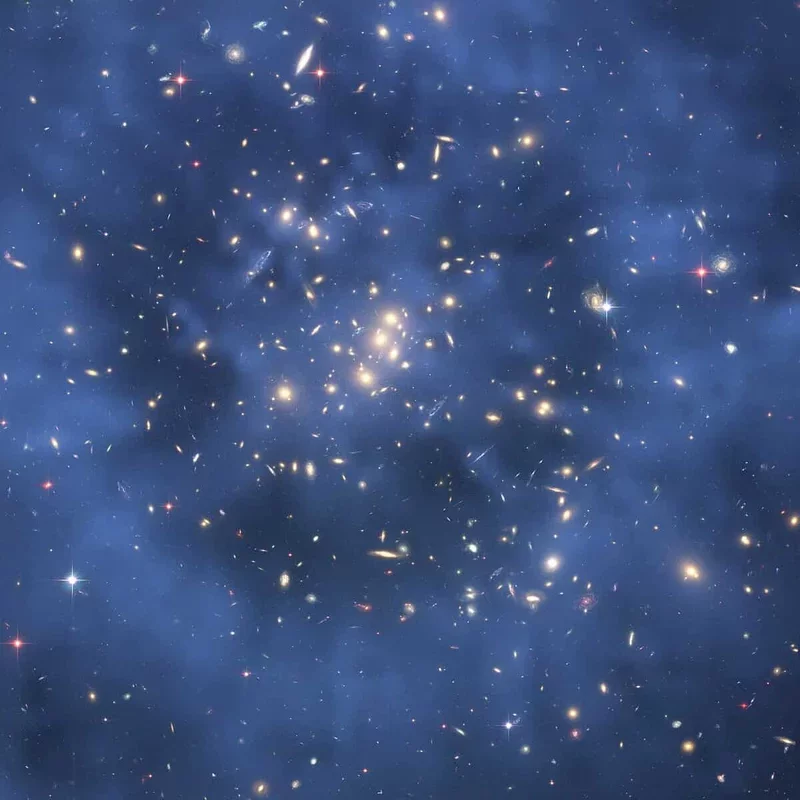
A groundbreaking study led by PhD graduate Ewoud Wempe from the Kapteyn Institute in Groningen has provided new insights into this mystery. Utilizing advanced computer simulations, the research team identified a vast, flattened structure of matter surrounding the Local Group, extending across tens of millions of light-years. This structure comprises both visible matter and the elusive dark matter enveloping galaxies, interspersed with enormous cosmic voids above and below.
The simulations demonstrate that this unique arrangement of matter accurately reflects the observed positions and velocities of nearby galaxies. Essentially, the model mirrors the real universe's patterns, providing a clearer understanding of cosmic dynamics.
Creating a Virtual Replica of Our Cosmic Neighborhood
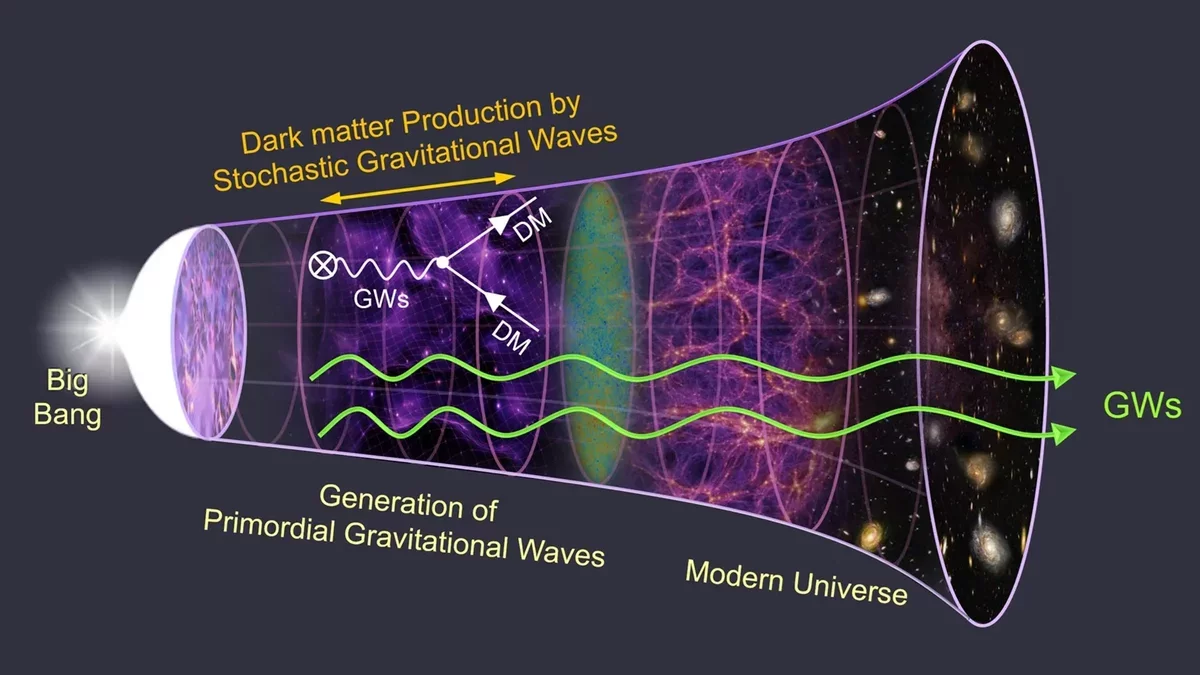
The researchers initiated their model by considering conditions from the early universe, leveraging measurements of the cosmic microwave background to estimate matter distribution shortly after the Big Bang. A powerful computer simulation then evolved this early universe through time, culminating in a structure that closely resembles the current Local Group.
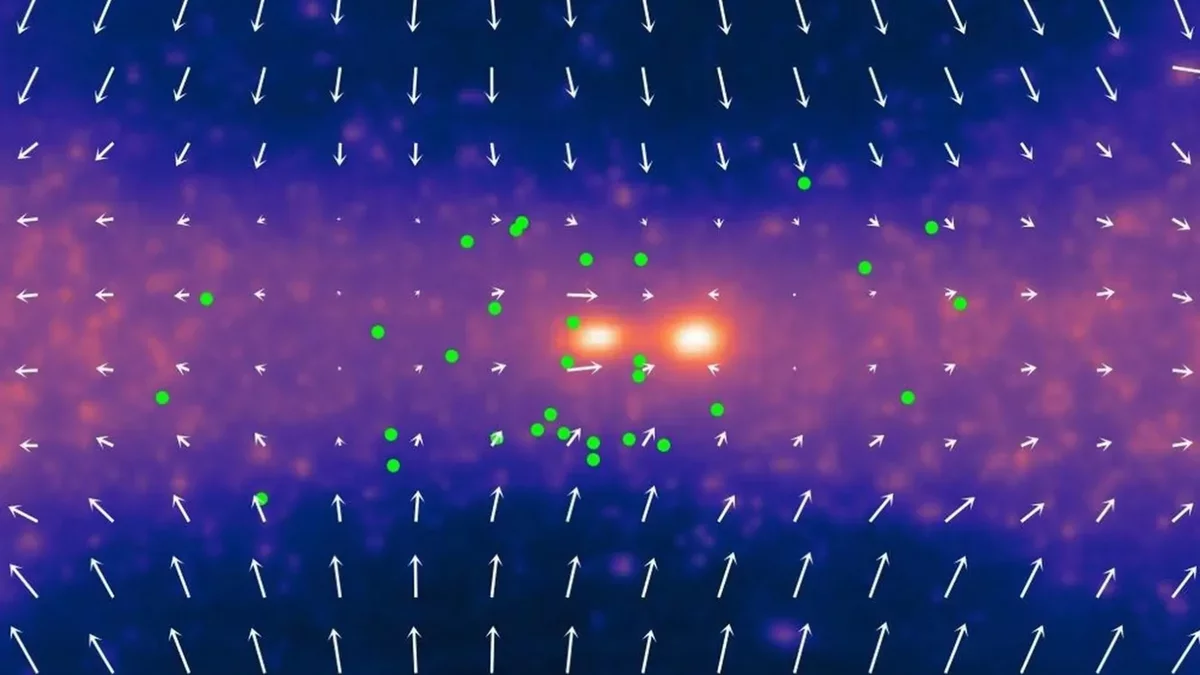
The resulting simulations effectively replicate the masses, locations, and movements of the Milky Way and Andromeda, along with the positions and velocities of 31 galaxies located just outside the Local Group. This model is described as a "virtual twin" of our cosmic environment due to its remarkable accuracy.
When accounting for the flat distribution of matter, the model reveals that surrounding galaxies recede from us at speeds akin to those observed in reality. Despite the Local Group's gravitational pull, galaxies within this plane are influenced by additional mass distributed throughout it, which counteracts the Local Group's gravitational force. In contrast, regions beyond this plane contain few galaxies, explaining the absence of objects moving toward us from those areas.
Solving a Longstanding Enigma
Lead researcher Ewoud Wempe emphasizes that this study marks the first comprehensive effort to analyze the distribution and motion of dark matter around the Milky Way and Andromeda. "We are investigating various local configurations of the early universe that could lead to the formation of the Local Group. It's exciting to have a model that aligns with both the current cosmological framework and the dynamics of our local surroundings."
Astronomer Amina Helmi expressed enthusiasm for the findings, highlighting that this issue has challenged researchers for many years. "It's thrilling to see that we can deduce a mass distribution based purely on the motion of galaxies, which corresponds to their positions within and just outside the Local Group."