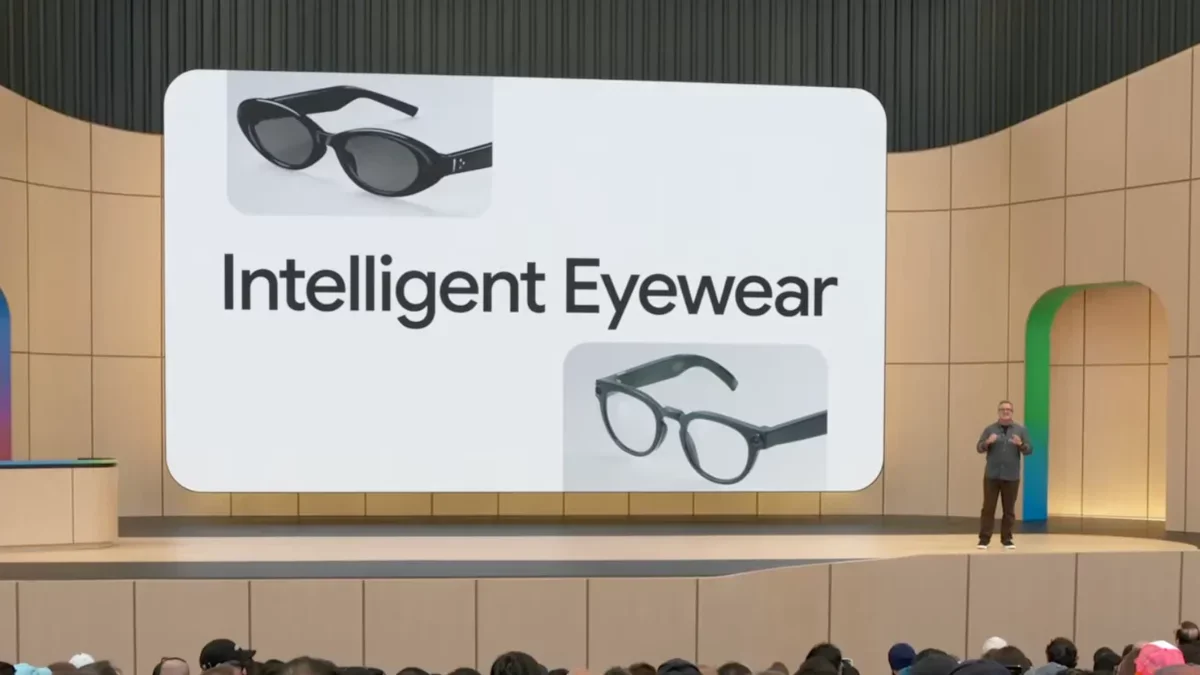
At the recent Google I/O 2026 event, the tech giant revealed plans to launch its inaugural "Intelligent Eyewear" smart glasses this upcoming fall. This innovative product is a collaboration between Google and Samsung, with Samsung handling the hardware and Google focusing on the software. The glasses will be compatible with both Android and iOS platforms, although pricing details have yet to be disclosed.
Design Features of Google's Intelligent Eyewear
Google showcased two distinct frame styles during the presentation, one designed by Gentle Monster and the other by Warby Parker. The emphasis was placed on the glasses' audio, camera, and AI functionalities rather than just their visual display capabilities. The integration of Gemini AI allows users to access features such as turn-by-turn navigation via audio, voice commands for apps like DoorDash, and AI-assisted photo editing.
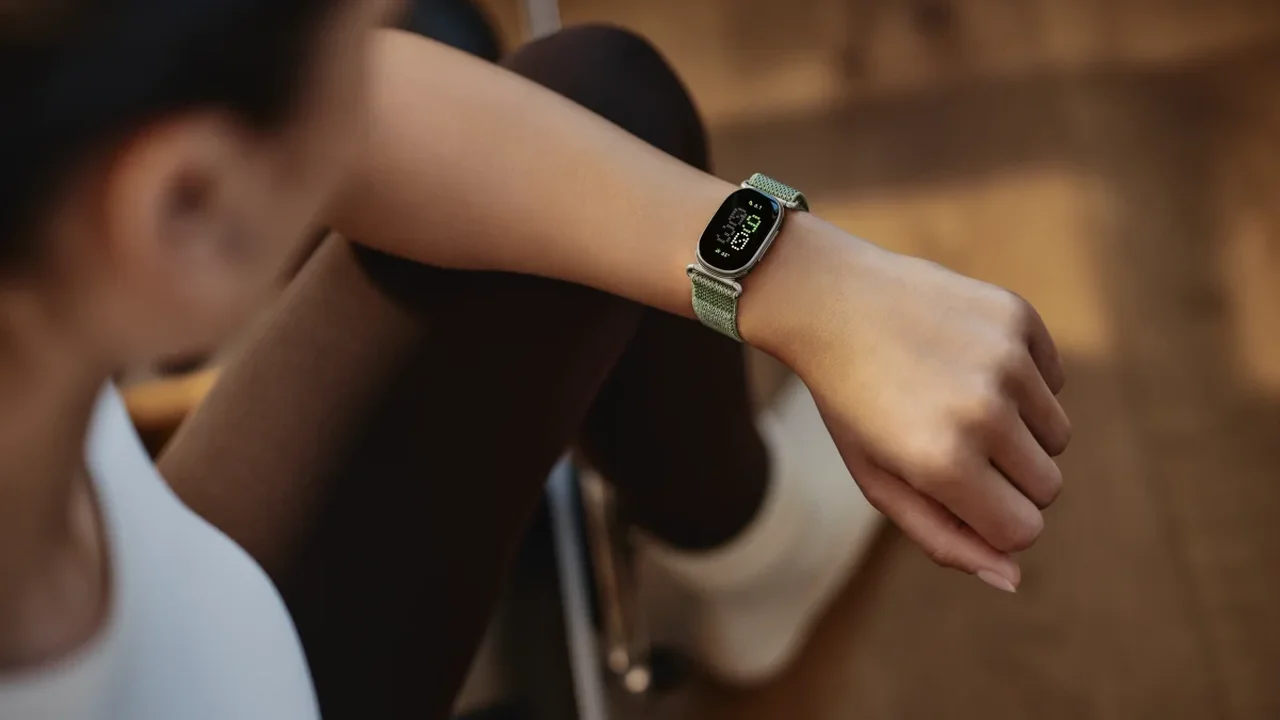
The glasses are designed to seamlessly connect with your Google Watch, allowing for an enriched user experience. This was exemplified by a demonstration of an AI-assisted "crowd selfie" that showcased the glasses' potential for capturing and sharing moments.
Notable features highlighted during the event include:
- Interactive AI Queries: Users can ask Gemini about their surroundings, such as restaurant reviews or cloud identification.
- Navigation Assistance: The glasses provide turn-by-turn directions and can incorporate additional stops along a route.
- Communication Management: They can handle calls and texts, with Gemini summarizing missed messages for users.
- Real-Time Translation: The glasses feature live translation capabilities, including voice and text translations that match the speaker's tone.
Competitive Landscape with Meta's Smart Glasses
This fall, Google and Samsung will enter a competitive arena dominated by Meta, which currently holds approximately 80% of the smart glasses market. While specific details about the camera quality and pricing of Google's glasses remain unknown, both Google's and Meta's offerings share similarities in functionality, such as photography, AI interaction, and audio playback. Consumer choice may ultimately hinge on personal style and app integration.
Both companies aim to draw users into their respective ecosystems, with Google emphasizing compatibility with a range of applications, including non-Google services like Uber and Mondly. In contrast, Meta's glasses primarily support its own platforms, such as Instagram and WhatsApp.
Style Considerations in Smart Glasses
Style is a significant factor in the smart glasses market. While Meta has partnered with well-known brands like Ray-Ban, Google appears to be opting for a more fashion-forward approach with its designs from Gentle Monster and Warby Parker. Ultimately, the choice of smart glasses may depend on which brand aligns better with individual aesthetics.
As the technology continues to advance, the introduction of these smart glasses may redefine how we interact with our digital environments, blending functionality with personal style.