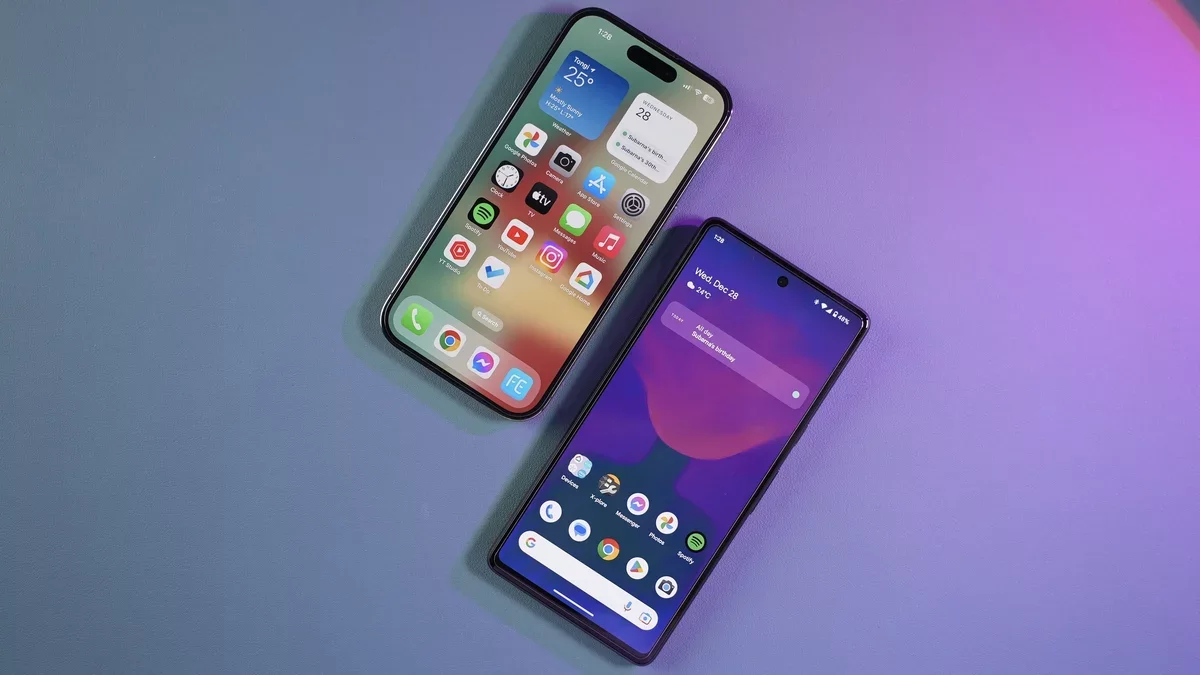
Google's announcement of AirDrop compatibility for Pixel devices last year marked a significant shift in file sharing between Android and iPhone users. Traditionally, sharing files across these platforms was cumbersome, often requiring email, messaging, or third-party applications. With AirDrop now available for Android, users can seamlessly exchange images, videos, and files between iPhones and Pixels, enhancing convenience and efficiency.
Since the initial rollout, which was limited to the Pixel 10 series, Google has gradually expanded AirDrop support. The Pixel 9 series and Pixel 8a have since joined the ranks. In a recent development, Samsung announced that its Galaxy S26 series would also support this feature. Additionally, Oppo has made strides by introducing compatibility for the Find X9 series and Find N6, while Vivo has rolled out support for the Vivo X300 Ultra. However, other Android devices not included in these updates currently lack AirDrop functionality.
Upcoming Devices Set to Receive AirDrop Support
During the recent Android Show: I/O Edition, Google revealed plans to extend AirDrop support to a broader range of Android devices, aiming to democratize file sharing. The following devices are expected to gain this capability later this year:
Samsung Galaxy S25 series
Samsung Galaxy S24 series
Samsung Galaxy Z Fold 7
Samsung Galaxy Z Flip 7
Samsung Galaxy Z Fold 6
Samsung Galaxy Z Flip 6
Samsung Galaxy Z Trifold
Oppo Find X8 series
OnePlus 15
Honor Magic V6
Honor Magic8 Pro
While Google is also looking to expand support for certain Xiaomi devices, specific models have yet to be confirmed. Furthermore, it remains unclear whether the Galaxy S25 FE and Galaxy S24 FE will be included in this expansion.
Alternative File Sharing Options for Android Users
For those with Android devices not listed for AirDrop support, there is still hope. Google is introducing a new feature that allows easy file sharing via QR codes, available in the Quick Share menu. This method enables files to be uploaded to the cloud, where iPhone users can scan the QR code to access them. Although this approach raises potential privacy concerns, it offers another avenue for users to share files without relying on email.
This evolution in file sharing technology not only enhances user experience but also fosters greater connectivity between different smartphone ecosystems, paving the way for a more integrated digital future.