Archaeologists in western France have identified a remarkable set of iron restraints at Allonnes, a Celtic trading center that once linked workshops, worship, and long-distance exchange in the Loire Valley.
A Workshop Town With a Hidden Story
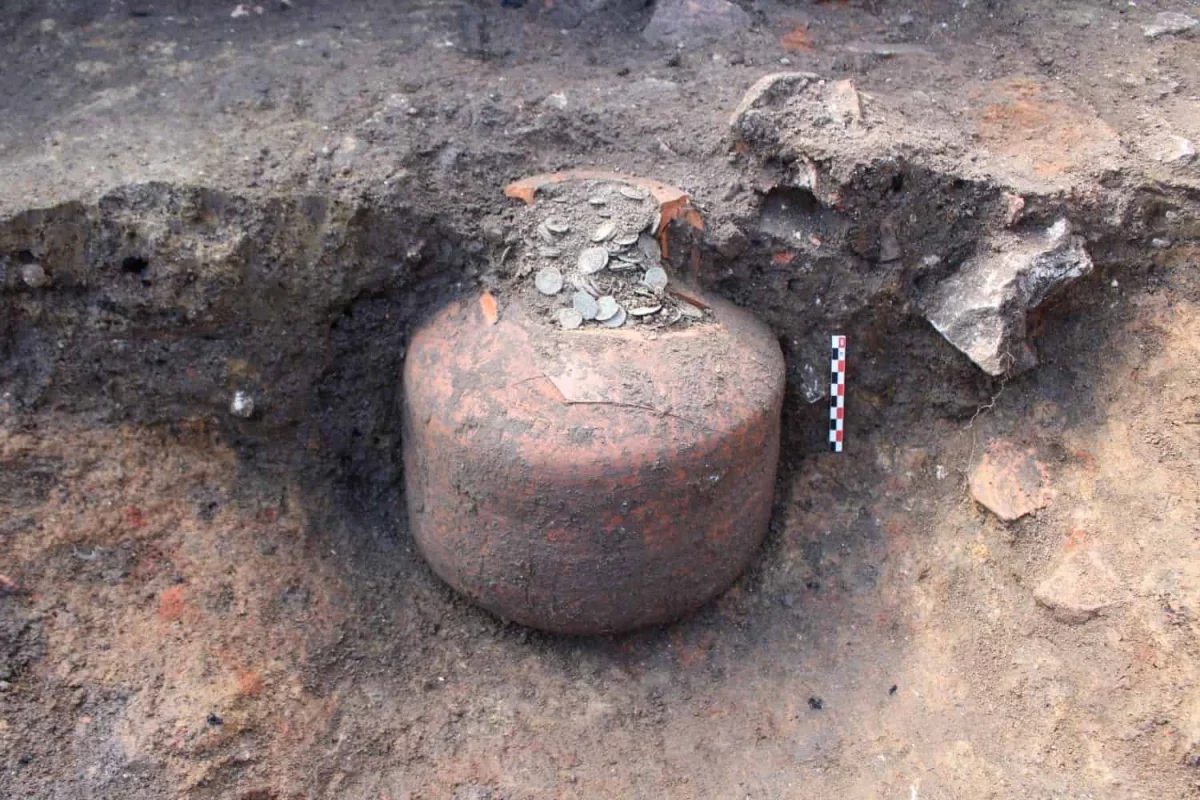
Excavations by France's National Institute for Preventive Archaeological Research, Inrap, revealed a settlement organized around homes, streets, open areas, wells, craft activity, and a major sanctuary. The site, explored in 2018 and 2019 ahead of housing construction, covered only a small section of a much larger town that likely stretched across 10 to 20 hectares.
Metalworkers at Allonnes produced weapons, keys, tools, horse gear, and other iron and copper-alloy objects. Imported Roman wine amphorae also point to wide commercial links beyond the Loire Valley, showing that the settlement was deeply connected to regional and distant exchange networks.
Rare Evidence of Human Restraint
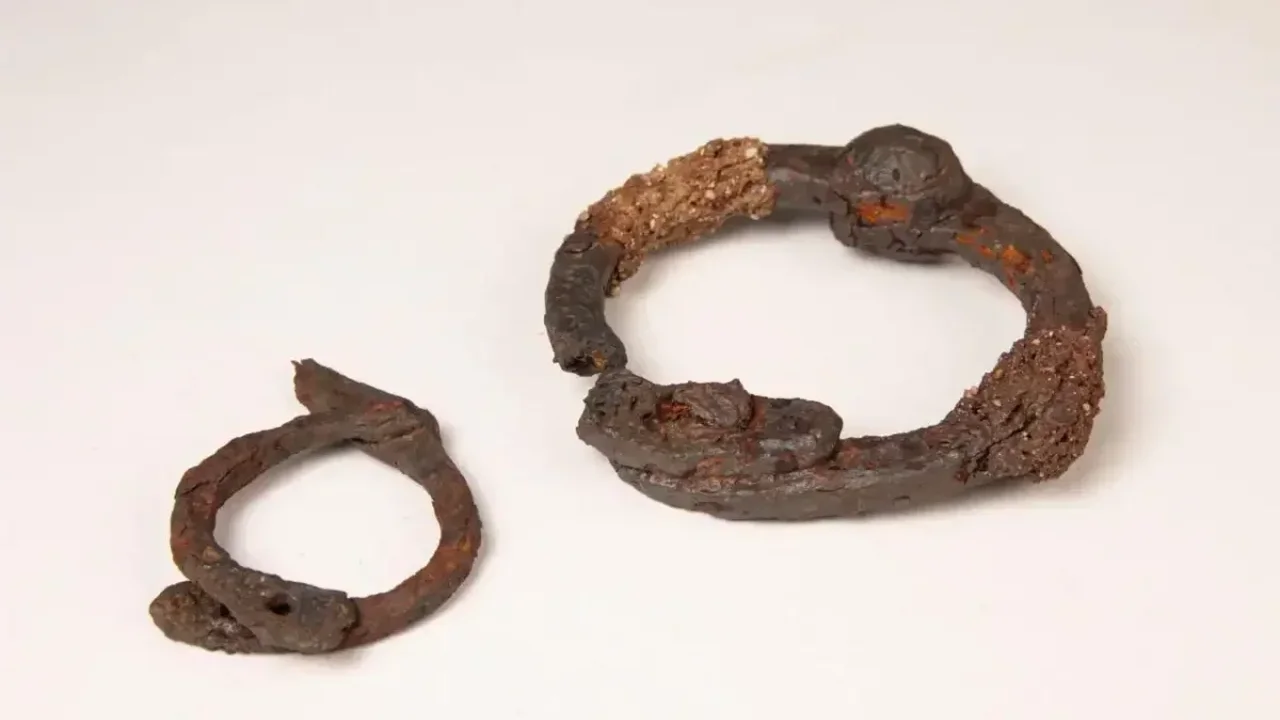
Among the finds were at least five iron restraints or fragments made for human wrists and ankles, including a double wrist restraint, an ankle ring, and several broken pieces. Such objects are exceptionally rare in Iron Age Gaul, where evidence of captivity is usually difficult to identify.
One wrist ring measured under 6 centimeters across, suggesting it may have been used on a woman or child, while the ankle pieces each weighed more than 1 kilogram. According to specialists, these artifacts point to a social structure with clear divisions between dominant and subordinate groups.
Researchers note that the shackles do not prove Allonnes was a slave market, but they do show that restrained people passed through the settlement. The individuals involved could have been prisoners, debt-bonded people, or enslaved persons.
Ritual Life and Metal Meaning
The sanctuary at Allonnes remained active for about six centuries, spanning the Gaulish period and the Roman transformation of the region. Visitors left weapons, coins, ornaments, and iron bars as offerings, often after deliberately bending, breaking, or cutting them so they could no longer serve a practical function.
That pattern suggests a strong ritual logic: objects were removed from everyday use and dedicated to the sacred. The finds are now being conserved at the Arc'Antique laboratory in Nantes, where further study may deepen understanding of how power, craft, and belief shaped life at Allonnes. In the future, discoveries like these may help archaeology map not only trade routes, but also the human experiences hidden within them.