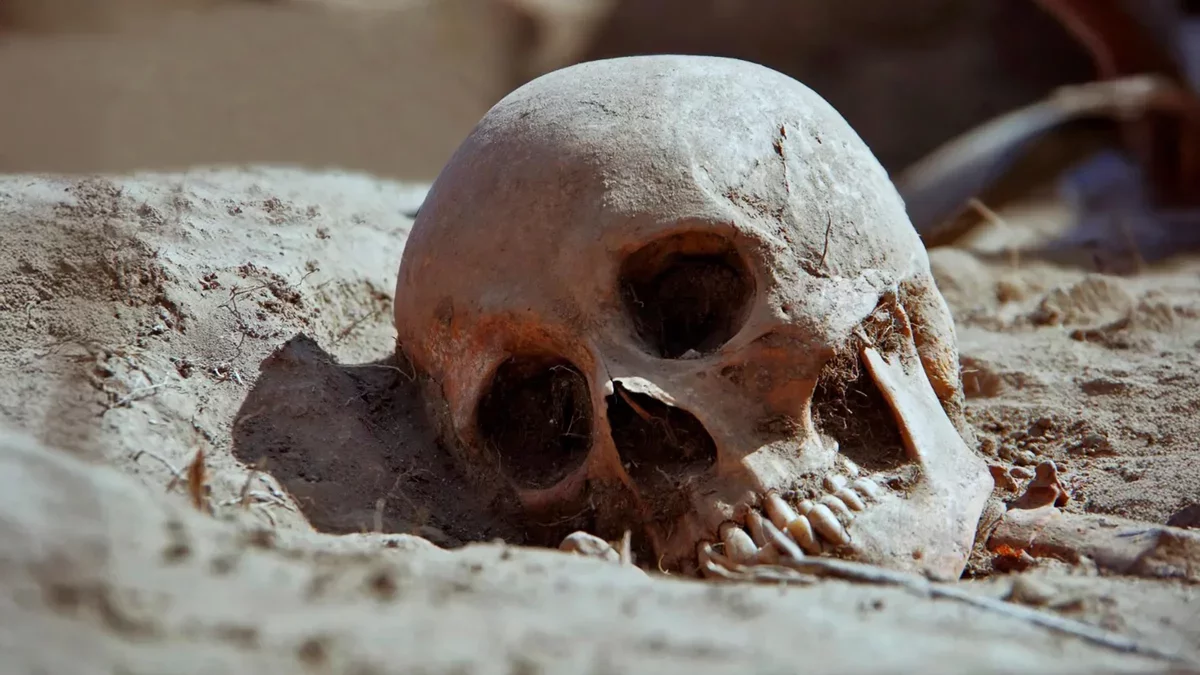
Exploring the daily existence of ancient societies relies heavily on biological evidence, with teeth serving as a remarkable resource due to their durability and ability to preserve microscopic indicators of growth. Researchers conducted an extensive analysis of dental remains from individuals interred at Pontecagnano, an Iron Age archaeological site in southern Italy, dating back to the 7th and 6th centuries BC.
Insights into Childhood Stress through Dental Analysis
The research team examined growth patterns in the dental tissues of 30 teeth belonging to 10 individuals. By comparing canine and molar teeth, they reconstructed developmental patterns during the crucial early years of life. The enamel displayed minor disruptions around the ages of one and four, suggesting periods of stress likely linked to dietary changes and health vulnerabilities.
Dietary Habits of Iron Age Italians Revealed
In addition to growth patterns, the study analyzed dental calculus to uncover the dietary habits of these individuals in adulthood. The hardened plaque revealed microscopic remnants of cereals, legumes, plant fibers, and yeast spores, indicating a carbohydrate-rich diet. This evidence strongly suggests that fermented foods and beverages were integral to their daily nutrition.
The findings align with previous research indicating that interactions with Mediterranean cultures enhanced food variety during this era. This evidence supports the notion that Iron Age communities in this region were adept at adapting to evolving environmental and social dynamics.
First Histological Insights from Pontecagnano
This groundbreaking research presents the first histological data from the Iron Age community of Pontecagnano, showcasing how integrating various dental analysis techniques can yield detailed insights into individual life histories. However, since the study focused on a limited sample size, it is essential to view these findings as specific rather than representative of the broader population. They offer a unique glimpse into the lives of a few individuals.
Future studies utilizing larger sample sizes and advanced methods, such as isotopic analysis, could enhance our understanding of ancient communities significantly. Roberto Germano remarked, "The teeth of Pontecagnano's Iron Age inhabitants provide a fascinating window into their lives, allowing us to trace childhood growth and health with remarkable clarity while revealing dietary habits that highlight their adaptation to environmental challenges."
Alessia Nava emphasized the importance of examining both deciduous and permanent teeth from ancient burial sites, stating that it broadens the focus from merely the time of death to encompass the entire early life of these individuals. Such modern methodologies are revolutionizing our comprehension of the biocultural adaptations of ancient populations.
Emanuela Cristiani added, "Our analysis of dental calculus has uncovered starch granules from cereals and legumes, as well as yeast spores and plant fibers, painting a vivid picture of the dietary practices and daily activities of these Iron Age communities, underscoring their regular consumption of fermented foods and beverages."