The journey to Cave 338, perched high in the eastern Pyrenees, is no small feat. Starting from the Monastery of Núria, climbers face a steep ascent for 45 minutes, reaching an altitude of 2,235 meters where the air turns brisk and the wind sharp. Despite the challenging trek, this site has attracted human activity for centuries, and recent research sheds light on its significance.
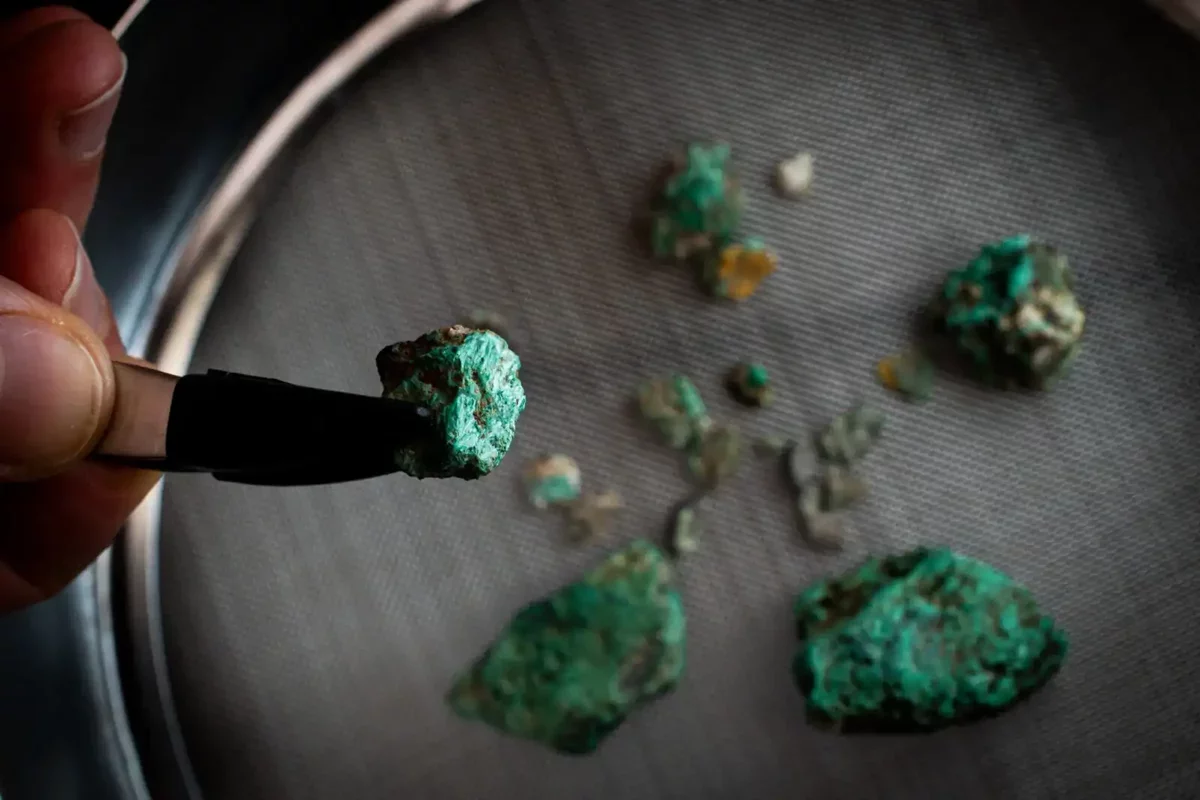
Archaeological findings indicate that Cave 338 served as a high-altitude mining processing camp. Evidence includes numerous fire pits, handmade pottery, butchered animal remains, and over 170 fragments of green copper-rich stones, likely malachite, which are not naturally found in the cave.
A Unique Archaeological Discovery
While Spain is often celebrated for its beaches and cuisine, it is also home to the Pyrenees, the highest mountain range in the country, boasting over 129 peaks exceeding 3,000 meters. Historically, the region has shown signs of human activity from the Paleolithic era to the Bronze Age, but high-altitude sites like Cave 338 remain rare due to their challenging conditions.
Traditionally, it was believed that prehistoric communities made only brief visits to these elevations. However, the discoveries at Cave 338 challenge this notion, revealing a rich archaeological sequence that suggests more sustained and organized use than previously recognized. According to Prof. Carlos Tornero from the Catalan Institute of Human Paleoecology and Social Evolution, the site contains a wealth of archaeological evidence, including multiple combustion structures and a significant number of mineral fragments.
The Green Mineral Mystery
Excavations conducted from 2021 to 2023 uncovered 23 fire pits and a trove of artifacts within just six square meters of the cave entrance. The findings indicate that the site was revisited repeatedly over thousands of years, suggesting a pattern of short to medium-term occupations. The presence of malachite fragments, some of which show signs of thermal alteration, implies that prehistoric people intentionally brought these minerals to the cave for processing.
A Surprising Mineral Workshop
Rather than a mining site, Cave 338 appears to have functioned as a mineral workshop and processing station. This discovery could provide rare evidence of systematic copper exploitation in prehistoric Europe. The cave's high altitude may have offered shelter and strategic advantages, although the precise reasons for its use remain speculative.
Archaeologists are eager to continue their work at Cave 338, aiming to uncover more about the origins of the minerals and the broader context of human activity in these mountains. Their findings may reshape our understanding of prehistoric mobility and resource extraction, highlighting the significance of high-altitude environments in ancient societies.
Ultimately, the ongoing research at Cave 338 could illuminate not only the challenges faced by ancient peoples but also their remarkable adaptability and ingenuity in utilizing the mountainous landscapes of Europe.