Archaeological discoveries have unveiled a fascinating aspect of ancient North American cultures: their penchant for games. Contrary to the long-held belief that the earliest dice originated from Eastern European and Near Eastern civilizations around 5,500 years ago, recent findings suggest that Native Americans were engaging in games of chance much earlier--approximately 12,000 years ago, during the Late Pleistocene.
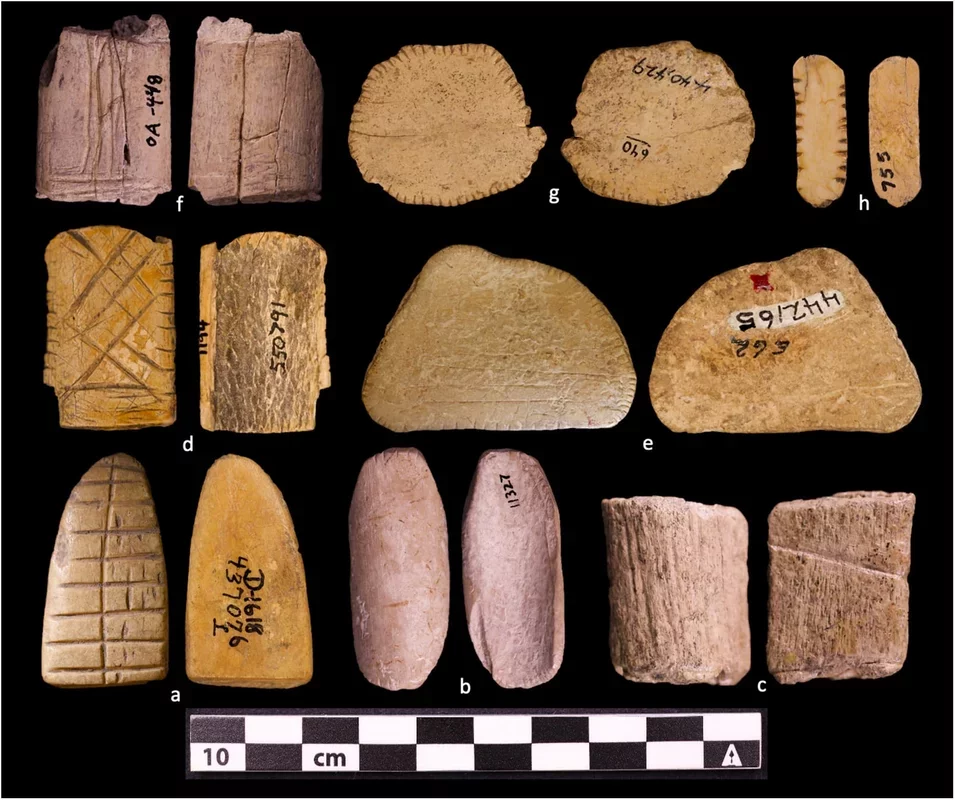
A groundbreaking study by Robert Madden, published by Cambridge University Press, highlights dice excavated from sites in present-day Wyoming, Colorado, and New Mexico, all linked to the Folsom Culture--a nomadic hunter-gatherer society. These findings challenge previous timelines and shed light on the social dynamics of early human communities.
Madden explains that dice often appear in areas characterized by high mobility, suggesting their role in fostering connections among people who may not frequently interact. "The dice tend to show up in liminal spaces where you have a lot of high mobility," Madden noted, emphasizing their importance in social bonding.
This research indicates that the creation and use of dice marked humanity's initial attempts to intentionally generate, observe, and record random events. Madden posits that this could represent a foundational step in humanity's understanding of probability, akin to the principles outlined in the law of large numbers. Anthropologists view this as a significant milestone in our evolving comprehension of randomness and the probabilistic nature of our universe.
In his analysis, Madden compared numerous examples of ancient dice with a comprehensive publication titled Games of the North American Indians, released in 1907 by the Bureau of American Ethnology. This comparison not only enriches our understanding of these artifacts but also connects modern findings with historical documentation.
The implications of this research extend beyond mere historical curiosity. Understanding the origins of games and chance in human culture can offer insights into the social structures and cognitive developments of early societies. It underscores the timeless human desire for play and connection, which continues to shape our interactions today.
As we delve into the past, the discoveries of ancient dice remind us of the innovative spirit of our ancestors. This exploration of early gaming practices not only enriches our cultural heritage but also inspires future generations to appreciate the intricate tapestry of human history.