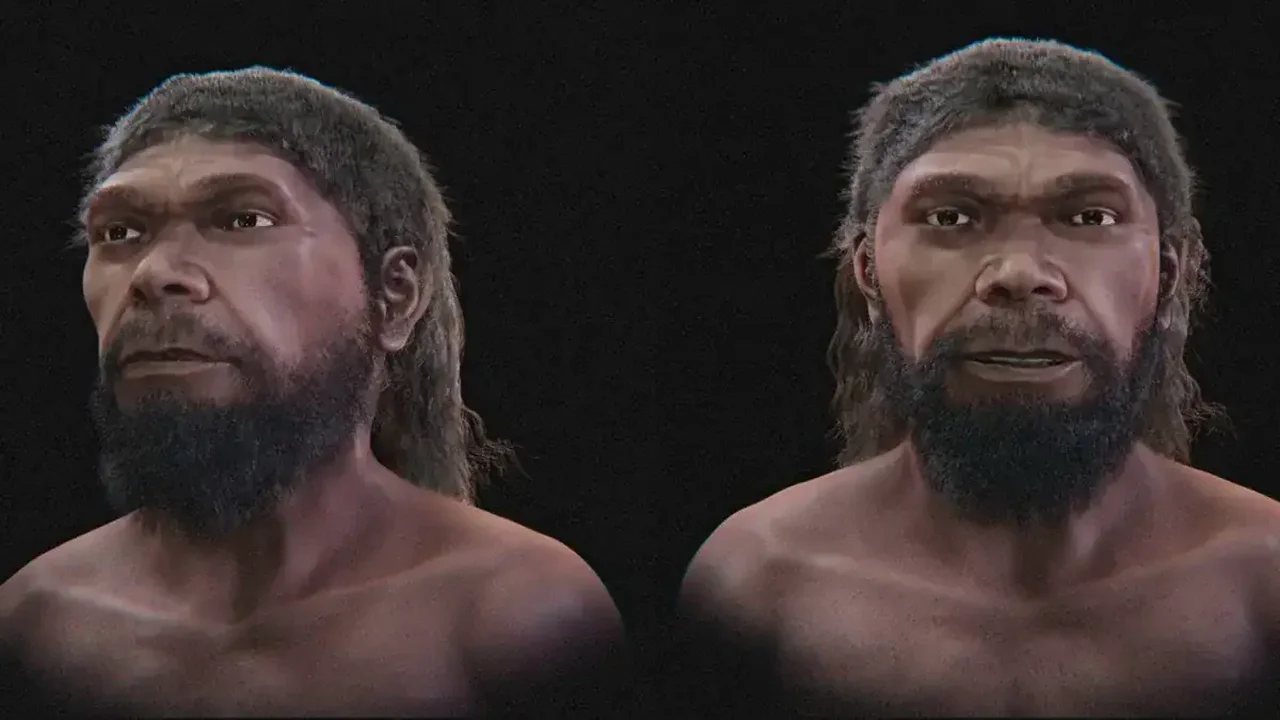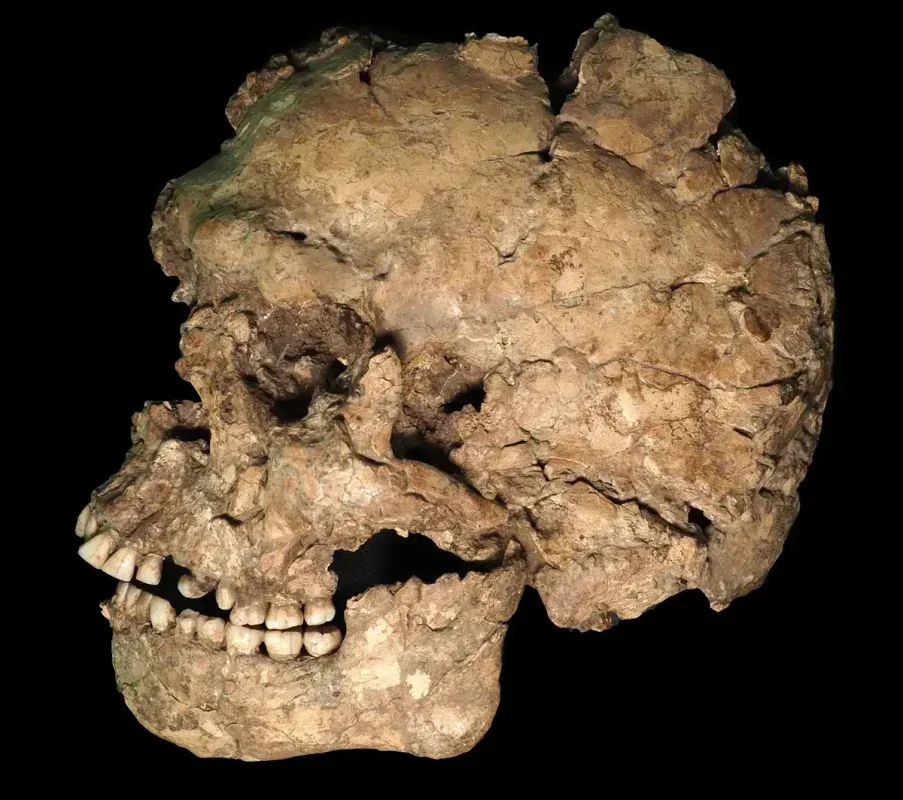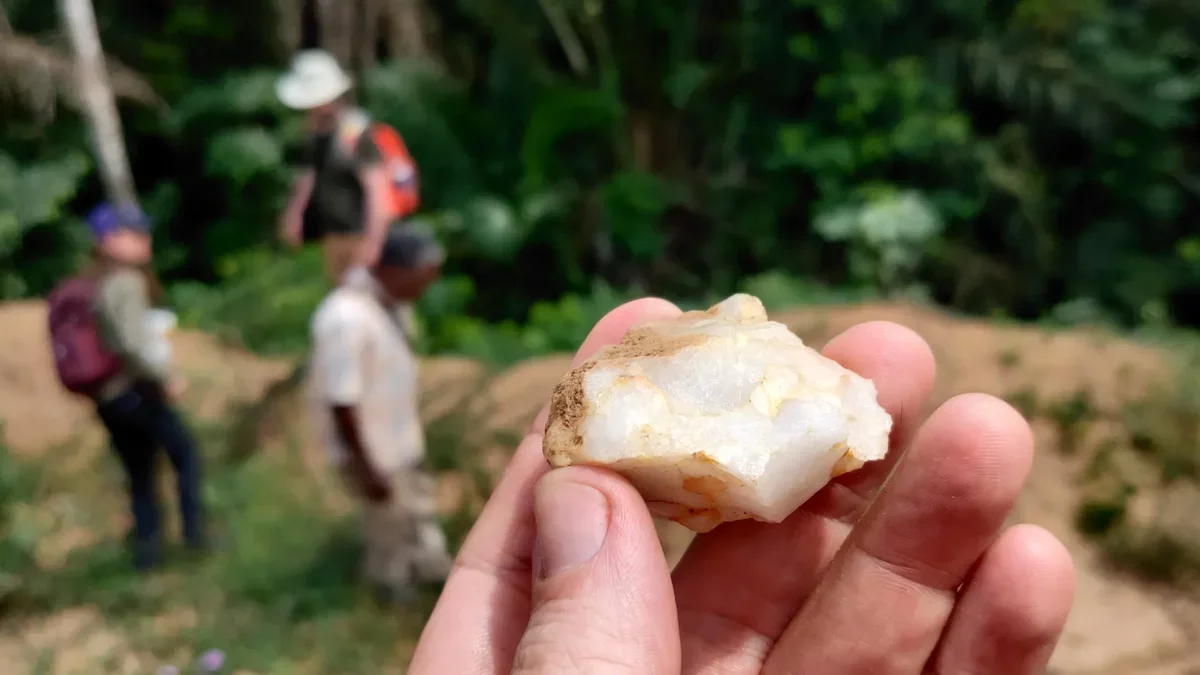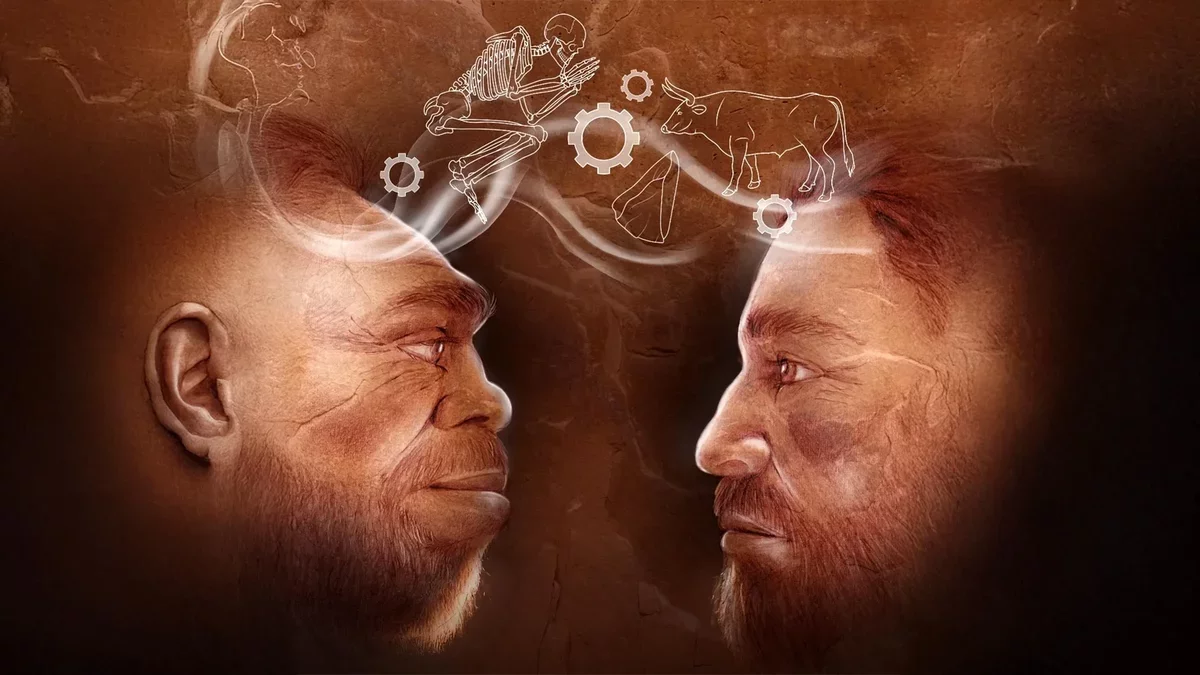
In a groundbreaking discovery at Tinshemet Cave in central Israel, researchers have unearthed a remarkable collection of archaeological artifacts and human remains. Among these findings are the first mid-Middle Palaeolithic burials identified in over fifty years, shedding light on the social practices and burial customs of early human groups.
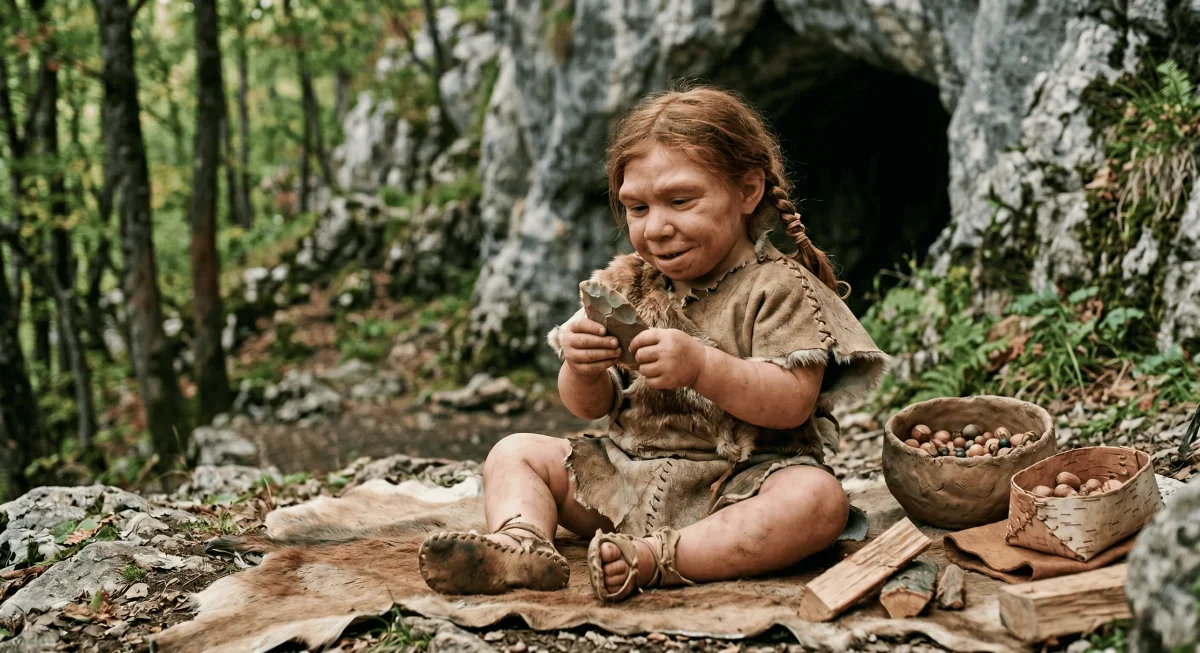
A study published in Nature Human Behaviour reveals that Neanderthals and Homo sapiens not only cohabited the region but also engaged in mutual influences regarding daily practices, technologies, and rituals. This evidence challenges previous perceptions of these groups as isolated entities, suggesting a more intertwined and complex relationship.
Exploring Interactions Between Species
The excavation project, which commenced in 2017, is spearheaded by Prof. Yossi Zaidner from the Hebrew University of Jerusalem, Prof. Israel Hershkovitz from Tel Aviv University, and Dr. Marion Prévost, also from the Hebrew University. The central focus of their research is to understand the nature of interactions between Neanderthals and Homo sapiens during the mid-Middle Palaeolithic era. The team is investigating whether these groups competed against each other, coexisted peacefully, or collaborated in significant ways.
To address this question, the researchers analyzed evidence across four key domains: stone tool manufacturing, hunting methodologies, symbolic practices, and social complexity. Their findings indicate that various human populations, including Neanderthals, pre-Neanderthals, and Homo sapiens, maintained ongoing interactions, facilitating the exchange of ideas and skills and gradually leading to cultural similarities among the groups.
Emergence of Rituals and Symbolism
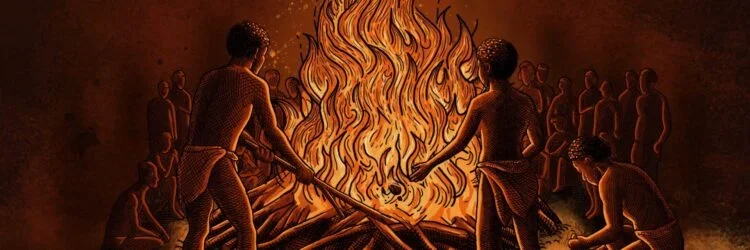
The study highlights crucial behavioral advancements resulting from these interactions. Approximately 110,000 years ago, the earliest formal burial practices emerged in Israel, marking a significant cultural milestone. This shift may reflect enhanced social connections and shared traditions among diverse groups.
Notably, the cave features extensive use of mineral pigments, particularly ochre, which researchers believe may have been used for body decoration, possibly to signify identity or differentiate between groups. Such symbolic behavior indicates a deeper social significance than previously understood.
Tinshemet Cave: An Early Burial Ground?
The arrangement of burials at Tinshemet Cave suggests it may have served as a designated burial site or an early cemetery. If confirmed, this would imply organized rituals and robust community ties. Artifacts found alongside the remains, including stone tools, animal bones, and ochre, may indicate early beliefs regarding an afterlife.
A Nexus of Human Evolution
Prof. Zaidner describes the area as a "melting pot" where various human populations converged and influenced one another. "Our findings illustrate that human connections and interactions have been pivotal in fostering cultural and technological advancements throughout history," he notes.
Dr. Prévost underscores the role of geography in these interactions, explaining that climatic improvements during the mid-MP led to increased population and intensified contact among different Homo species.
Prof. Hershkovitz adds that these discoveries depict a landscape of dynamic interactions characterized by both cooperation and competition.
Insights into Early Human Society
The revelations from Tinshemet Cave offer a profound glimpse into the social dynamics, behaviors, and environments of early humans, reflecting a period of significant population growth and cultural evolution. As research progresses, scientists anticipate further discoveries that will enrich our understanding of how human societies began to form and develop.