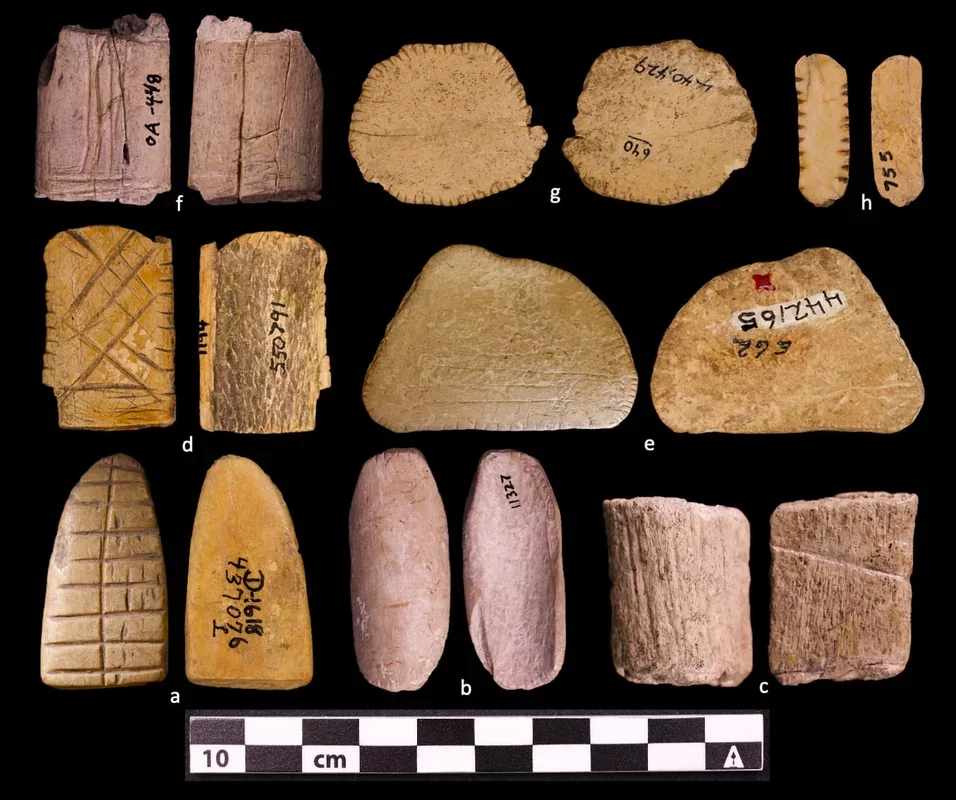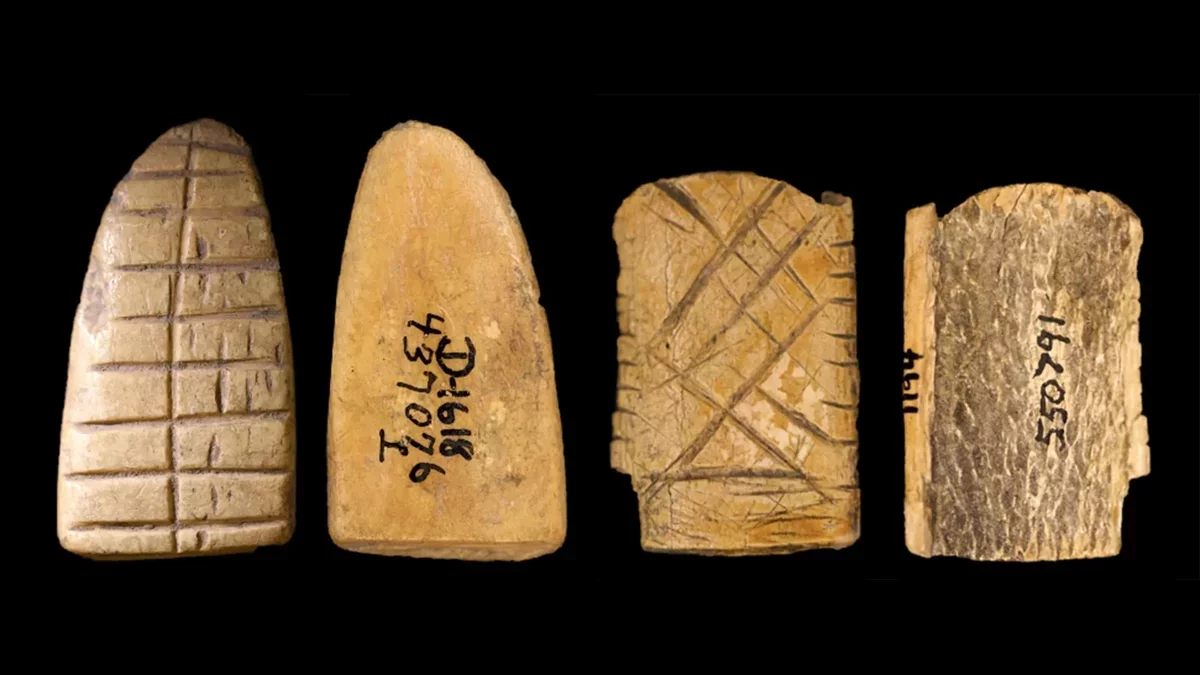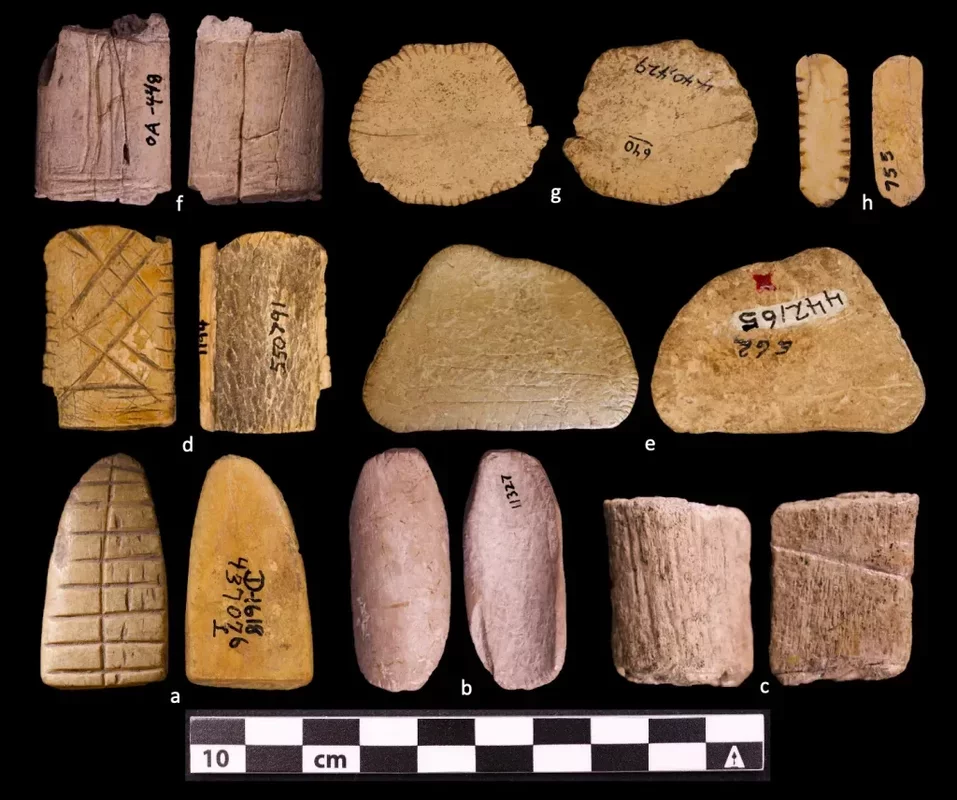
Recent research from Colorado State University has uncovered that Native Americans engaged in dice gaming much earlier than previously thought, predating the Bronze Age civilizations of the Old World. The findings, published in the journal American Antiquity by PhD student Robert J. Madden, indicate that these games date back over 12,000 years, originating from hunter-gatherer communities on the western Great Plains.
Dice games have long been recognized as humanity's initial structured interaction with the concept of randomness, paving the way for probabilistic thinking. Historically, it was believed that such games emerged in the sophisticated societies of Mesopotamia and the Indus Valley around 5,500 years ago.
Madden's study challenges this notion, as he developed a checklist of historical attributes associated with Native American dice to reassess older artifacts. "We had evidence of dice use going back about 2,000 years," he shared in an interview, "but the trail went cold. This sparked my curiosity to trace the origins further back in time."
The earliest dice identified in this groundbreaking study were found in archaeological sites across Wyoming, Colorado, and New Mexico, dating back to approximately 12,800 to 12,200 years ago. Unlike contemporary six-sided dice, these ancient versions were crafted from bone or wood and were two-sided, each side marked distinctly to yield a binary outcome when rolled.
Madden highlights the remarkable continuity of these games, stating, "It's extraordinary to observe a practice from thousands of years ago still in play today. The tradition of dice gaming can be traced back to the late Pleistocene, around 12,000 years ago. You can find videos online of groups gathering to enjoy these games, showcasing their enduring legacy."
This research not only enriches our understanding of Native American culture but also underscores the significance of play as a fundamental aspect of human society throughout history.