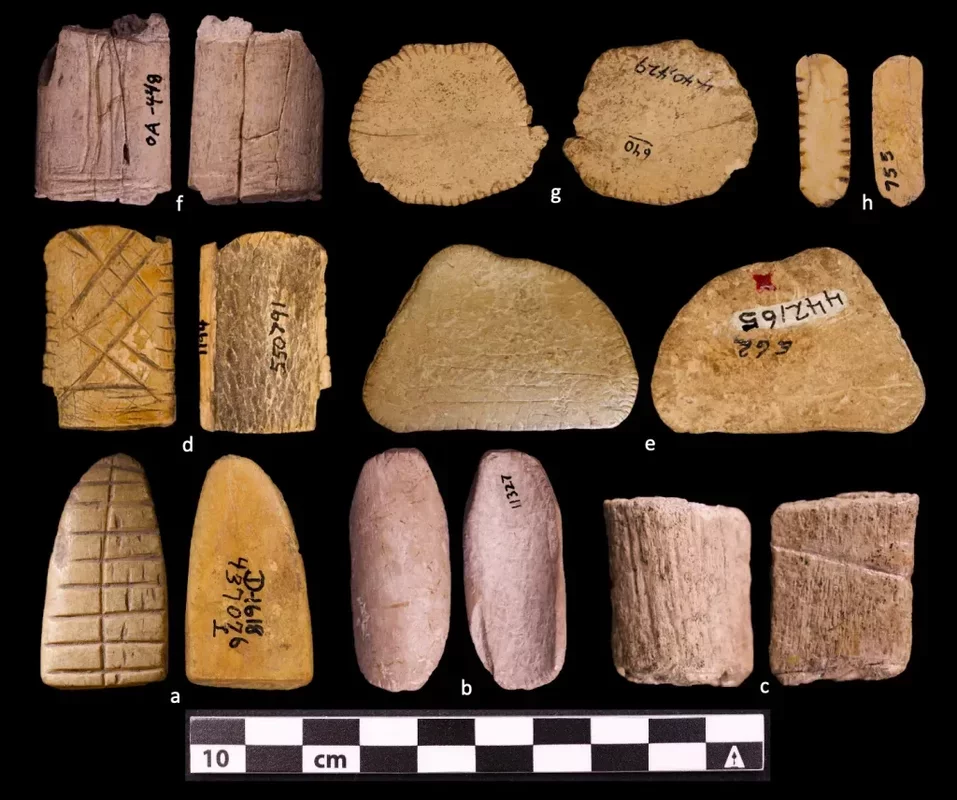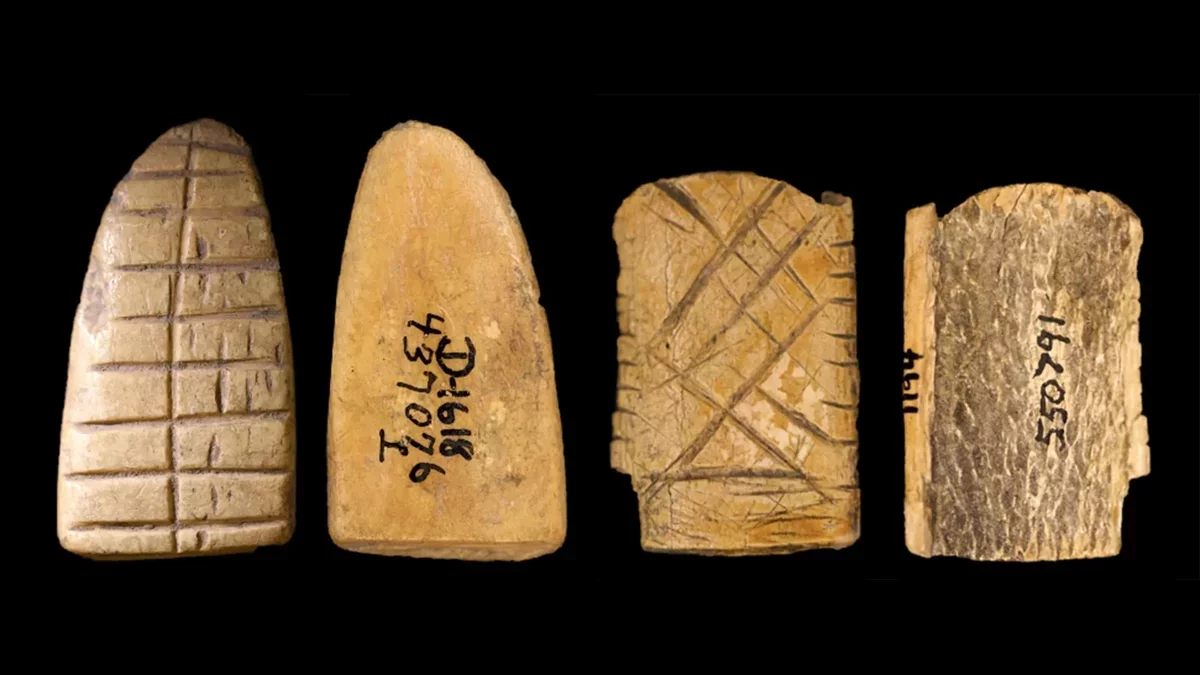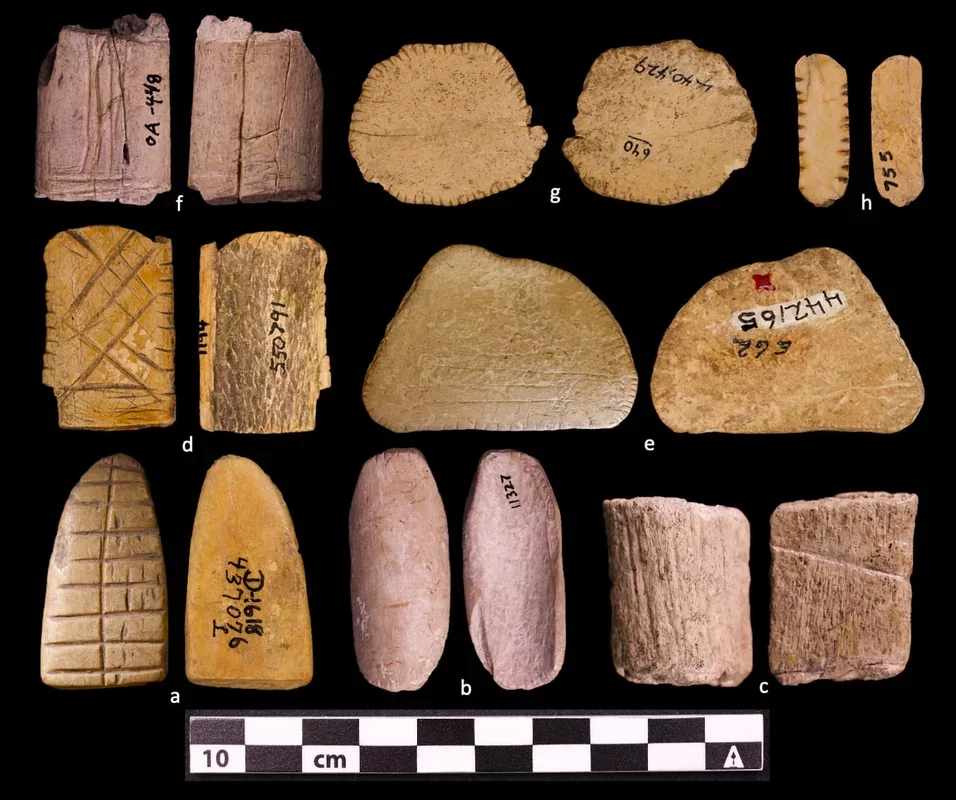
Recent research published in the journal American Antiquity has revealed that dice, believed to have originated much later, actually date back over 12,000 years. This groundbreaking study indicates that these ancient gaming tools, crafted by Native Americans during the Pleistocene era, predate the earliest known dice from the Bronze Age by more than 6,000 years.
Dice symbolize an understanding of randomness and unpredictability. According to Colorado State University archaeologist Robert J. Madden, the lead researcher, "At the end of the last Ice Age, these are not the people we think are going to be diving into complex intellectual concepts. But they seem to be doing exactly that."
Madden's work emphasizes the importance of classification in understanding these artifacts. While there has been a historical record of Native American dice for the past 2,000 years, earlier examples presented a challenge for archaeologists. Madden noted, "Early in the process, I started finding some of these really early pieces, and there was this sense of, 'Well, we don't know what these things are.'"
In his analysis, Madden utilized Stewart Culin's 1907 publication, Games of the North American Indians, which provided diagnostic attributes for 293 sets of Native American dice from across the continent. Leveraging Culin's index, he established objective criteria to sift through archaeological records, classifying over 600 pieces from 57 sites in the American West, particularly in Colorado, Wyoming, and New Mexico, as potential dice.
While Madden's findings are significant, not all experts are in agreement. Jelmer Eerkens, an anthropology professor at the University of California, suggests that additional context regarding the locations of these artifacts is necessary to fully understand their functions.
Distinct from the familiar six-sided dice, Madden identified these prehistoric tools as two-sided, termed "binary lots." He theorizes that they facilitated social and cultural exchanges among tribes, fostering a neutral ground where participants shared an equal chance of winning. "The games created a neutral space. Everybody understood they had an equal chance of success," he explained.
Crafted from materials such as wood or bone, and occasionally teeth, these ancient dice feature one marked side and one blank side, with decorative markings that stand out compared to other Pleistocene artifacts. For Madden, this artistic element suggests that early ideas of chance were intertwined with creativity.
Madden asserts, "Probability, chance, randomness -- these aren't just ideas; they're real features of the physical world. Through these games, the dice bring randomness out into the open, they clean it up, they make it so that you can see these patterns."