For many years, researchers have posited that the Cambrian explosion, a pivotal event marking the emergence of diverse and complex life forms, began approximately 535 million years ago. However, a groundbreaking study now suggests that this remarkable transformation may have commenced at least 4 million years earlier, during the late Ediacaran period.
Dr. Gaorong Li, the lead author of the study from the Museum of Natural History at Oxford University, stated, "Our discovery bridges a significant gap in understanding the early stages of animal diversification. We provide evidence that many complex animals, typically associated with the Cambrian, were present during the Ediacaran, indicating they evolved much earlier than fossil records had previously shown."
Fossils from Jiangchuan Biota Reveal Early Animal Diversity
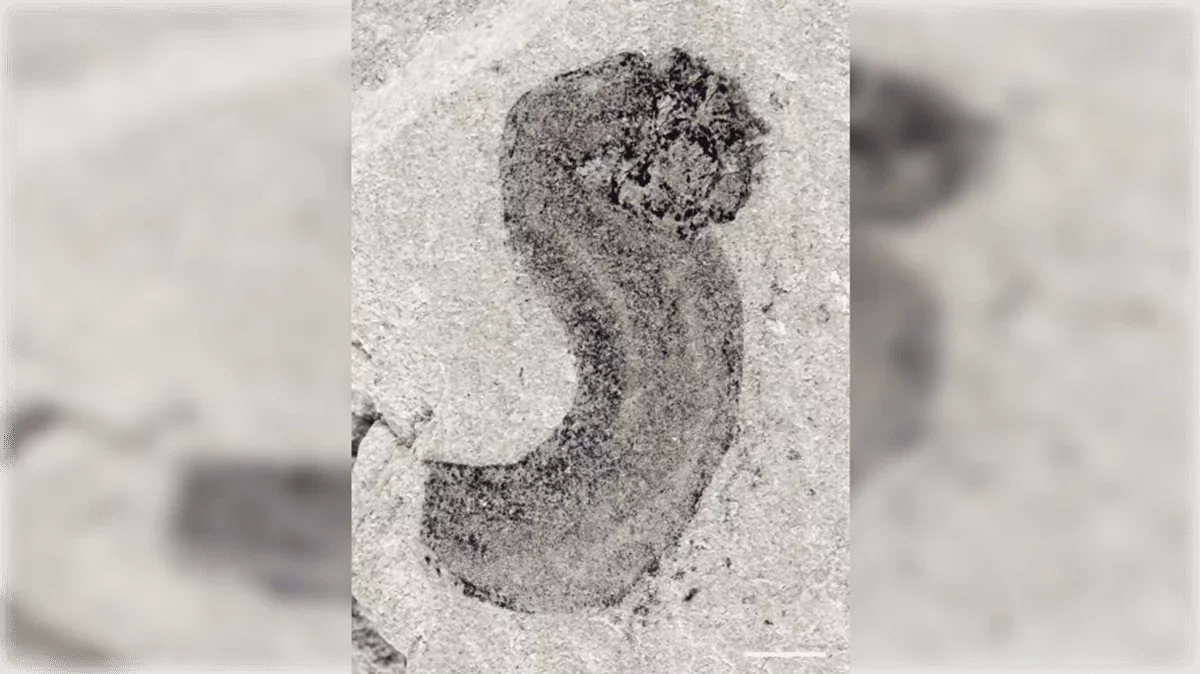
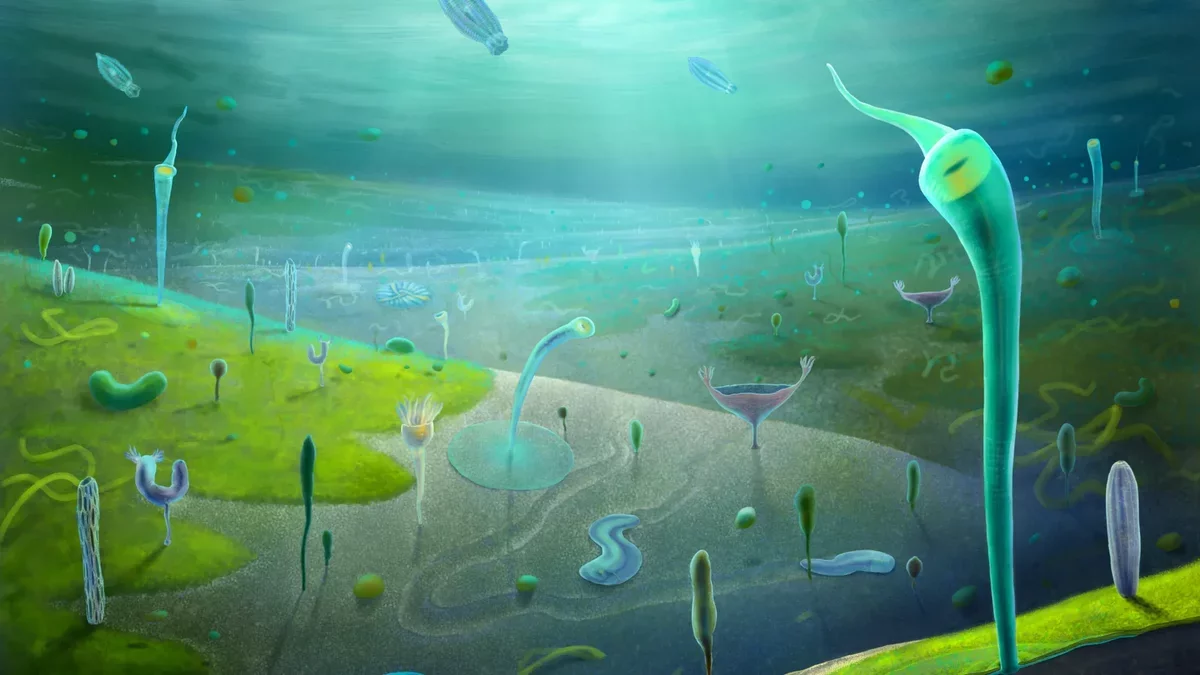
The fossils, discovered in the Jiangchuan Biota located in Yunnan Province, include over 700 specimens dating between 554 and 539 million years ago. This site showcases a rich Ediacaran ecosystem, featuring both previously unidentified species and animals believed to have appeared only in the Cambrian period.
Among the significant discoveries are fossils that represent the oldest known relatives of deuterostomes, a crucial group encompassing vertebrates such as humans and fish. This finding extends the fossil record of this lineage back into the Ediacaran Period for the first time.
The collection also features early relatives of starfish and acorn worms (Ambulacraria), which had U-shaped bodies and were anchored to the sea floor. Tentacles near their heads likely aided in food capture.
Co-author Dr. Frankie Dunn from the Museum of Natural History remarked, "The discovery of ambulacrarians in the Ediacaran period is thrilling. We have already identified fossils that are distant relatives of starfish and sea cucumbers, and we are eager to find more. This also implies that chordates--animals with backbones--must have existed during this time."
Unique Creatures and Transitional Ecosystems
Other fossils include worm-like bilaterians, some exhibiting complex feeding strategies, alongside rare specimens believed to represent early comb jellies. Many fossils showcase unusual combinations of characteristics, such as tentacles and feeding structures that do not correlate with any known species from either the Ediacaran or Cambrian periods.
Co-author Associate Professor Luke Parry stated, "This discovery is incredibly exciting as it unveils a transitional community: the peculiar Ediacaran world giving way to the Cambrian, where animals are more easily classified into modern groups. Upon first examining these specimens, it was evident that we were observing something entirely unique."
Unraveling an Evolutionary Mystery
This research addresses a long-standing question in evolutionary biology. Previous genetic analyses and fossil evidence suggested that various animal lineages existed prior to the Cambrian explosion, yet clear fossil evidence from this earlier period had been scarce until now.
Exceptional Preservation Reveals Hidden Insights
Unlike most Ediacaran fossil sites that preserve organisms as simple impressions, the Jiangchuan Biota fossils are found as carbonaceous films, akin to those in renowned Cambrian sites like the Burgess Shale. This preservation allows scientists to observe intricate details, including feeding structures and digestive systems.
Co-author Associate Professor Ross Anderson noted, "Our findings suggest that the perceived absence of these complex animal groups in other Ediacaran sites may be due to preservation differences rather than a true lack of biological presence."
The fossils were unearthed by a dedicated team from Yunnan University, led by Professor Peiyun Cong and Associate Professor Fan Wei, who spent nearly a decade searching for diverse Ediacaran animal fossils.
Professor Feng Tang from the Chinese Academy of Geological Science emphasized, "These new fossils provide the most compelling evidence for the presence of diverse bilaterian animals at the end of the Ediacaran, a discovery long sought after."