A team of researchers at Case Western Reserve University in Cleveland, Ohio, has developed an innovative machine-learning program designed to assist art historians in understanding the collaborative nature of historical artworks. This diverse group of scientists, which includes physicists, computer scientists, art historians, and anthropologists, recently shared their findings in the journal Science Advances.
The program, named PATCH (pairwise assignment training for classifying heterogeneity), analyzes 1-centimeter-square segments of paintings that are known to be created by individual artists. By examining the brushwork and paint texture in these small areas, PATCH can compare them with other artworks to determine whether they were produced by the same artist, a different one, or potentially a collaborative workshop.
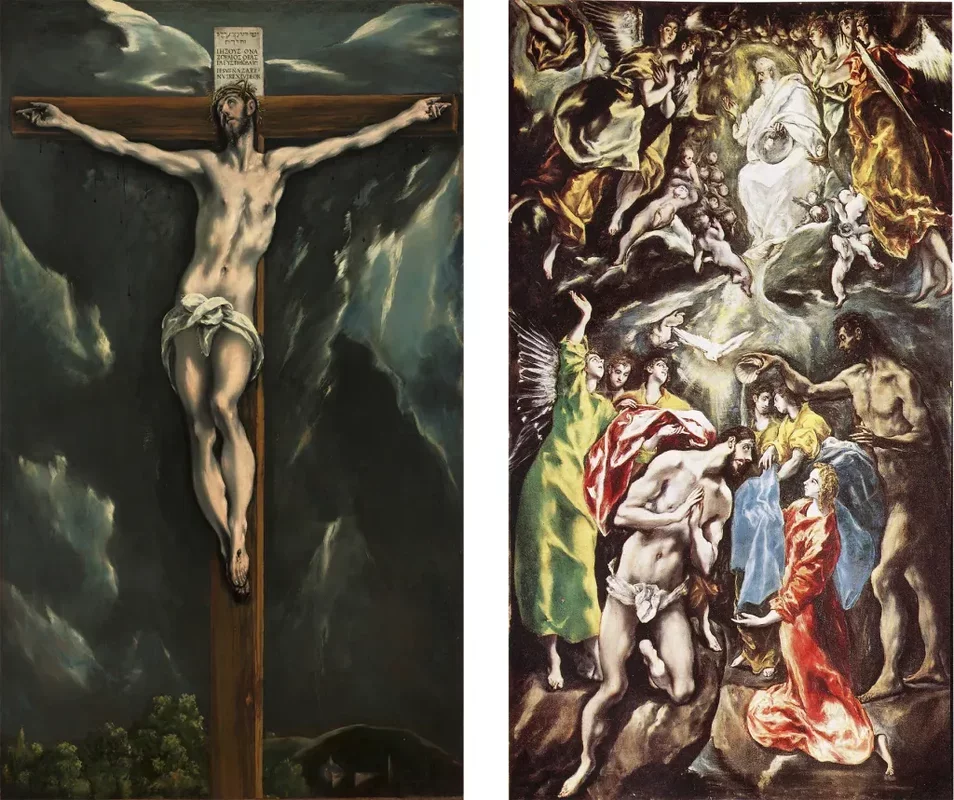
This research specifically focused on the renowned Spanish Renaissance artist El Greco. The team utilized PATCH to examine Christ on the Cross, a piece universally attributed to El Greco, and The Baptism of Christ, which has traditionally been thought to involve contributions from both El Greco and his workshop, including his son and apprentices. Surprisingly, the analysis suggests that The Baptism of Christ may have been predominantly painted by El Greco himself, challenging long-held assumptions about the piece's authorship.
While the researchers acknowledge that AI tools like PATCH cannot definitively resolve all questions surrounding art historical scholarship, they emphasize its potential to significantly enhance research methods. PATCH serves as a valuable complement to traditional art historical techniques, offering new insights into the complexities of artistic collaboration.
This advancement in AI technology could fundamentally reshape our understanding of art history, allowing scholars to uncover deeper truths about the creative processes of the past. As we continue to explore the intersection of technology and the arts, the implications for future research and appreciation of historical artworks are profound.