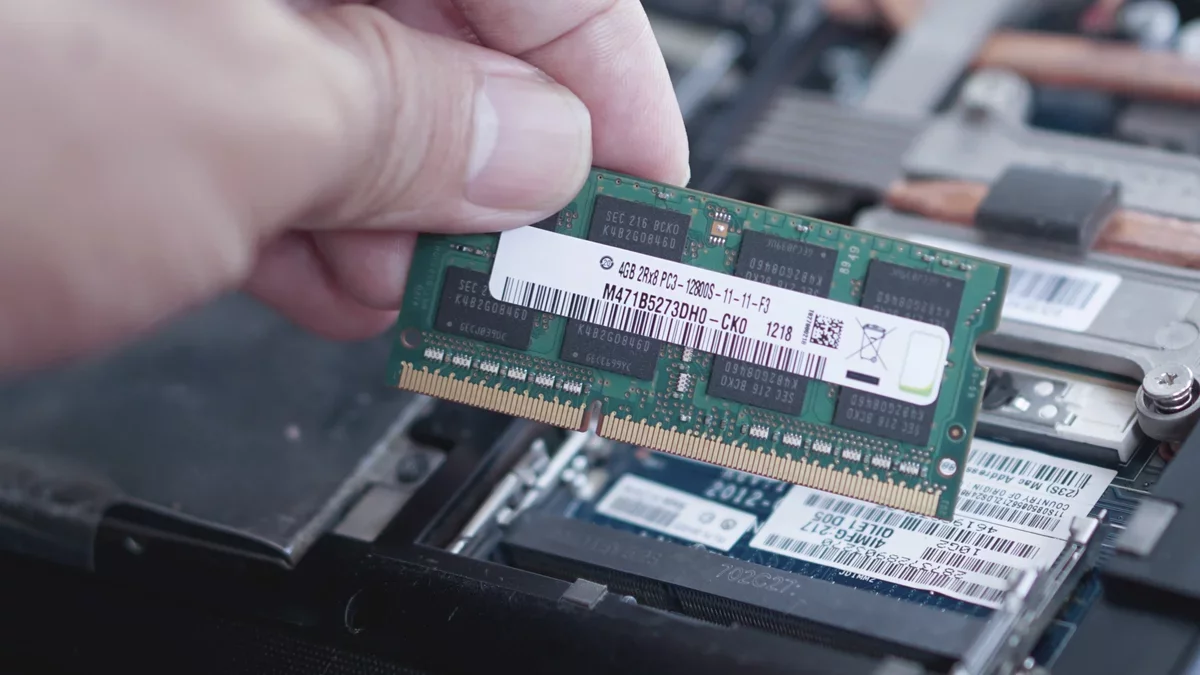
Nikkei Asia has reported that the global shortage of memory chips is expected to persist until approximately 2027. Despite efforts from U.S. and South Korean manufacturers to boost DRAM production, they are projected to meet only about 60% of the current demand. Additionally, rising costs of electricity and other essential resources due to ongoing conflicts in the Middle East further complicate the situation. Even with Samsung's plans to launch a fourth RAM plant this year, full-scale production won't be realized until at least 2027.
The Memory Crisis Continues
The challenges are exacerbated by the need for diversified production. Samsung's new facility is also tasked with producing logic chips, which limits its capacity to focus solely on memory chips. Furthermore, while a fifth plant is in the works, it will be dedicated to high-bandwidth memory (HMB) for AI applications, not general RAM. This fifth plant is not expected to commence operations until 2028 or later. As reported, memory prices surged by 90% in the first quarter of this year.
On a brighter note, SK Hynix, the world's second-largest memory chip producer, has been actively manufacturing HMB chips since February and is set to open a new plant in Seoul by February 2027, ahead of earlier projections. However, this increase in production is isolated among the top three memory companies--SK Hynix, Samsung, and Micron Technology. Micron is also planning to ramp up production in Idaho and Singapore by 2027. Collectively, these three giants dominate 90% of the global DRAM market and are the sole producers of HBM.
According to Counterpoint Research, these companies must elevate production by 12% annually through 2027 to alleviate the RAM shortage, yet current growth rates hover around 7.5%. Consequently, a return to normalcy in the RAM market may not occur until late next year.
Widespread Impact of the RAM Shortage
This news is particularly disheartening following earlier positive trends, where RAM prices had shown slight reductions. However, with Nikkei's findings, it appears that prices are unlikely to stabilize or decline significantly for at least another year and a half.
The ramifications of the RAM shortage extend beyond just RAM itself. Numerous consumer devices--such as smartphones, laptops, tablets, gaming consoles, and even cars--rely on RAM. This ongoing market instability may lead to increased prices for these devices as well. For instance, recent trends have prompted companies like Sony to raise prices on their PlayStation consoles, citing pressures from the global economic landscape.
As we navigate this evolving landscape, it is clear that the RAM shortage will continue to influence technology and consumer electronics. The focus on advanced memory solutions may pave the way for innovative developments in various sectors, shaping our digital future.