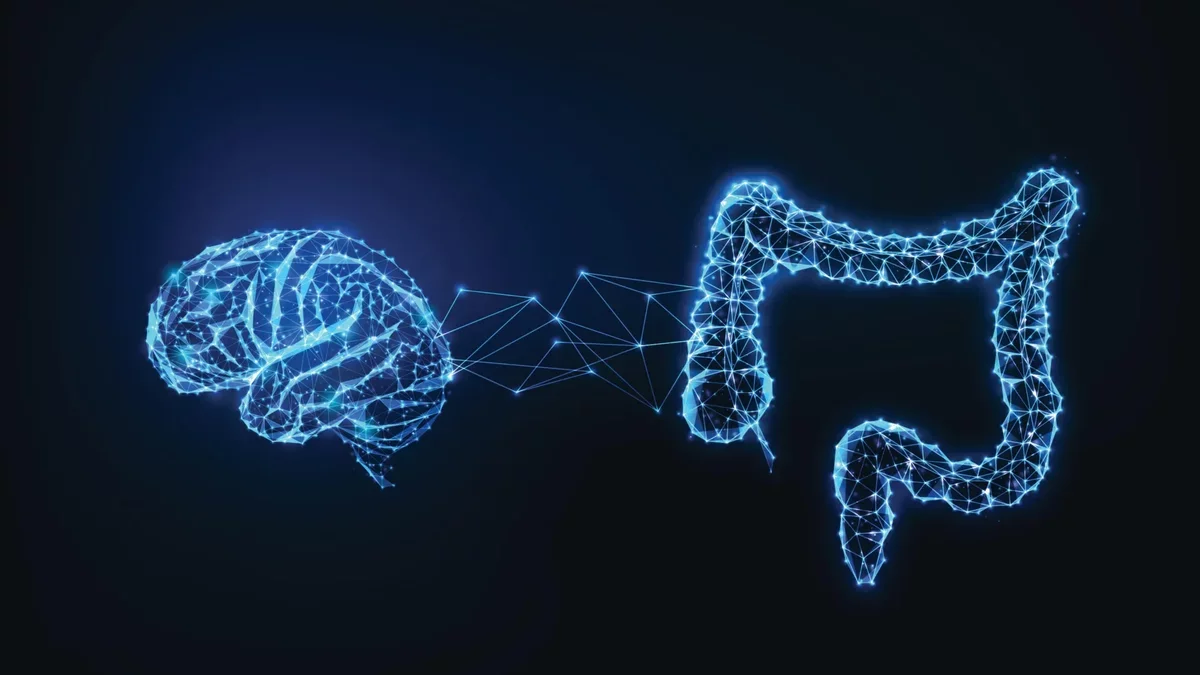
Researchers have unveiled a significant connection between gut microbiota and brain damage associated with Amyotrophic Lateral Sclerosis (ALS) and Frontotemporal Dementia (FTD). Their findings indicate that specific bacterial sugars can initiate immune responses that lead to the destruction of brain cells, while also revealing methods to inhibit this harmful process.
Understanding ALS and FTD's Impact on the Brain
FTD primarily affects the frontal and temporal lobes, resulting in alterations in personality, behavior, and language skills. Conversely, ALS targets motor neurons, leading to progressive muscle weakness and eventual paralysis. Despite extensive research, the precise origins of these conditions remain elusive, with scientists investigating various factors like genetics, environmental influences, and dietary habits.
Linking Gut Activity to Brain Health
This pivotal study, published in Cell Reports, addresses a long-standing inquiry regarding the differential development of these diseases among individuals. The research team discovered a molecular pathway that connects gut health to brain damage, particularly in those with specific genetic predispositions.
"Our research shows that detrimental gut bacteria produce inflammatory glycogen, which triggers immune responses that harm the brain," explained Aaron Burberry, an assistant professor in the Department of Pathology at Case Western Reserve School of Medicine.
Among the 23 patients with ALS/FTD examined, 70% exhibited elevated levels of this inflammatory glycogen, compared to only about one-third of individuals without these conditions.
Innovative Treatment Avenues and Patient Hope
The implications of these findings are profound, offering immediate potential for clinical applications. By pinpointing harmful gut sugars as a contributing factor to these diseases, researchers can now target new treatment avenues. This study also emphasizes potential biomarkers that could assist healthcare providers in identifying patients who may benefit from gut-focused therapies.
The results pave the way for innovative treatments aimed at degrading these damaging sugars within the digestive system. Additionally, they bolster the development of medications designed to bridge the gut-brain connection, providing hope for slowing or even preventing disease progression.
Alex Rodriguez-Palacios, assistant professor at the Digestive Health Research Institute, noted that the team successfully reduced these harmful sugars in their experiments, which "enhanced brain health and prolonged lifespan."
Understanding Genetic Risk Factors
This discovery holds particular significance for individuals carrying the C90RF72 mutation, the most prevalent genetic cause of ALS and FTD. Not all carriers develop the disease, and this research sheds light on the underlying reasons.
The findings suggest that gut microbiota may serve as an environmental catalyst, influencing the likelihood of disease onset in genetically predisposed individuals.
Research Innovations Driving Progress
The success of this research is attributed to advanced laboratory techniques employed at the university's Department of Pathology and Digestive Health Research Institute. Utilizing germ-free mouse models, researchers could isolate the effects of specific microbes on disease development.
Fabio Cominelli, Distinguished University Professor and director of the Digestive Health Research Institute, leads this innovative program, which employs a unique sterile housing system designed by Rodriguez-Palacios, facilitating extensive microbiome studies.
Future Directions and Clinical Trials
"To further explore when and why harmful microbial glycogen is produced, we plan to conduct larger studies analyzing gut microbiome communities in ALS/FTD patients before and after disease onset," Burberry stated. "Clinical trials aimed at assessing whether glycogen degradation can slow disease progression are also on the horizon, potentially commencing within a year."