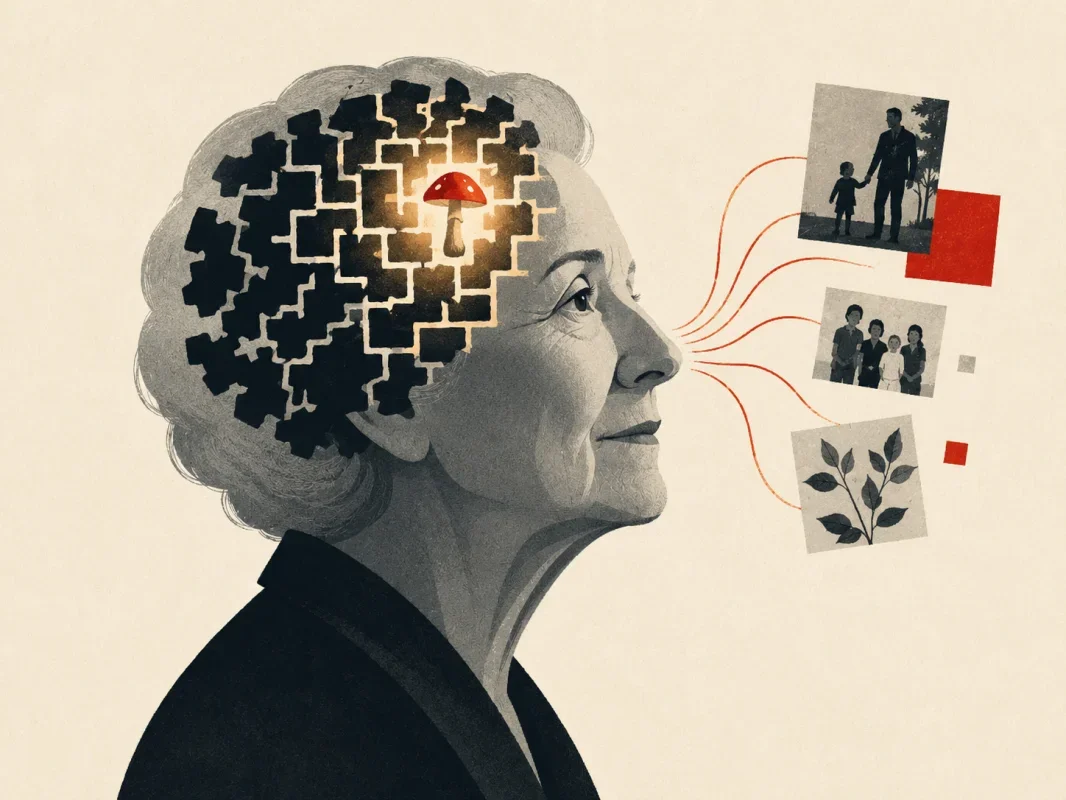
A recent comprehensive study has illuminated the transformative potential of psychedelics in mental health treatment, revealing that these substances do much more than induce altered states of consciousness. The BOLD Psychedelic Consortium, an international team of researchers, has conducted a groundbreaking mega-analysis that synthesizes data from 11 independent studies involving five psychedelics: psilocybin, LSD, mescaline, DMT, and ayahuasca. This extensive research encompassed over 500 brain scans from 267 participants across three continents.
The primary finding indicates that psychedelics significantly disrupt the traditional organizational structure of the brain. Under normal circumstances, the brain operates within a hierarchical framework, with distinct networks dedicated to sensory processing, memory, and executive functions. However, the introduction of psychedelics appears to flatten this hierarchy, enhancing connectivity between regions responsible for sensory input and deeper cognitive processes.
Redefining Brain Connectivity
The analysis demonstrates that psychedelics foster a unique state of brain connectivity, allowing different regions to communicate more freely. This means that areas involved in sensory perception can interact directly with those engaged in introspection and decision-making, effectively breaking down the barriers that typically separate these functions. This phenomenon supports the long-held theory that psychedelics can relax the brain's usual command structure, facilitating a more fluid exchange of information.
Interestingly, the study also suggests a nuanced understanding of how different psychedelics influence brain connectivity. While psilocybin and LSD exhibited consistent patterns of interaction, mescaline showed less reliable results. DMT appeared to induce strong alterations in brain activity, although further research is needed to confirm these findings due to a smaller participant pool. Ayahuasca, known for its complex chemical makeup, exhibited distinct effects, which may stem from its unique composition rather than an entirely different mechanism of action.
This research marks a significant step forward in comprehending how psychedelics can aid individuals suffering from mental health conditions, such as depression and obsessive-compulsive disorder (OCD). By demonstrating that these substances can effectively reorganize the brain's communication pathways, researchers are uncovering a potential mechanism for mental resets, offering hope for those trapped in rigid patterns of thought.
As this field continues to evolve, the implications of these findings could reshape our approach to mental health treatment, paving the way for innovative therapies that harness the power of psychedelics to promote psychological well-being and resilience.