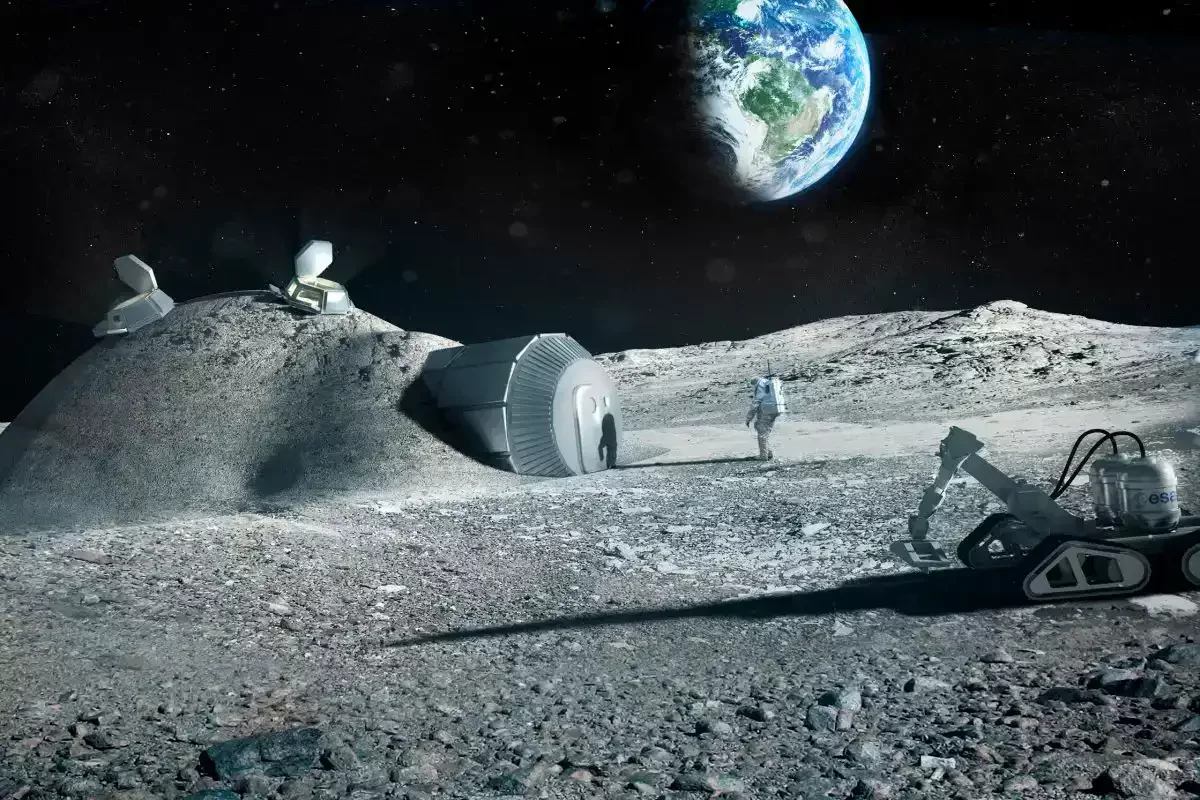
NASA is embarking on an exciting new chapter in lunar exploration, aiming to establish a permanent base on the Moon by 2032. Following the recent splashdown of the Artemis II crew, the agency is shifting gears, moving away from its previous, less ambitious plans for the Gateway lunar space station.
The newly proposed roadmap involves a staggering investment of $20 billion and outlines an aggressive strategy for 73 lunar landings over the next decade. NASA plans to leverage commercial rockets and adopt a bold, high-risk approach reminiscent of the Apollo missions. Administrator Jared Isaacman emphasized this shift at the Space Symposium, stating that the agency thrives when tasked with achieving the seemingly impossible.
A Structured Approach to Moon Exploration
NASA's plans are detailed in the recently published "Moon Base User's Guide," which breaks the project into three phases. Phase 1 aims to establish reliable surface access, with 25 launches and 21 landings planned by 2029. These initial robotic missions will deliver about 4,000 kilograms of payload per trip, focusing on mapping landing sites and testing commercial landers.
Phase 2 will occur between 2029 and 2032, introducing human presence to the Moon base. This phase includes 27 launches and 24 landings, where astronauts will deploy infrastructure and prepare for permanent habitation. Finally, Phase 3 will transition the base to continuous human occupation, targeting 29 launches and 28 landings starting in 2032, with payloads reaching up to 150,000 kilograms.
This fast-paced approach marks a significant departure from NASA's past delays and budget overruns. Isaacman noted the importance of building "muscle memory" through a step-by-step method, aiming not just for milestones but for a sustained presence on the Moon.
Focusing on Surface Operations
To enable this ambitious launch schedule, NASA has decided to pause the Gateway program, allowing future astronauts to bypass the orbital station and transfer directly to lunar landers. Isaacman stated that this strategic pivot reflects the growing influence of commercial spaceflight, enabling NASA to collaborate with multiple launch providers for frequent crewed missions.
Challenges of Lunar Living
The Moon's south pole, the chosen site for the lunar base, is rich in frozen water but presents unique challenges, including extreme lighting conditions and the risk of lunar dust damaging equipment. NASA is working on innovative solutions, such as advanced power generation systems and protective technologies against abrasive lunar soil.
A Gateway to Mars
This lunar endeavor also serves as a testing ground for future Mars missions. NASA is concurrently preparing for the Skyfall mission, set for 2028, which will utilize nuclear-powered technology to explore potential landing sites on Mars.
As NASA accelerates its lunar ambitions, the stakes are high. With global competition intensifying, particularly from China, the success of this plan could redefine humanity's presence in space and solidify the United States' leadership in space exploration.