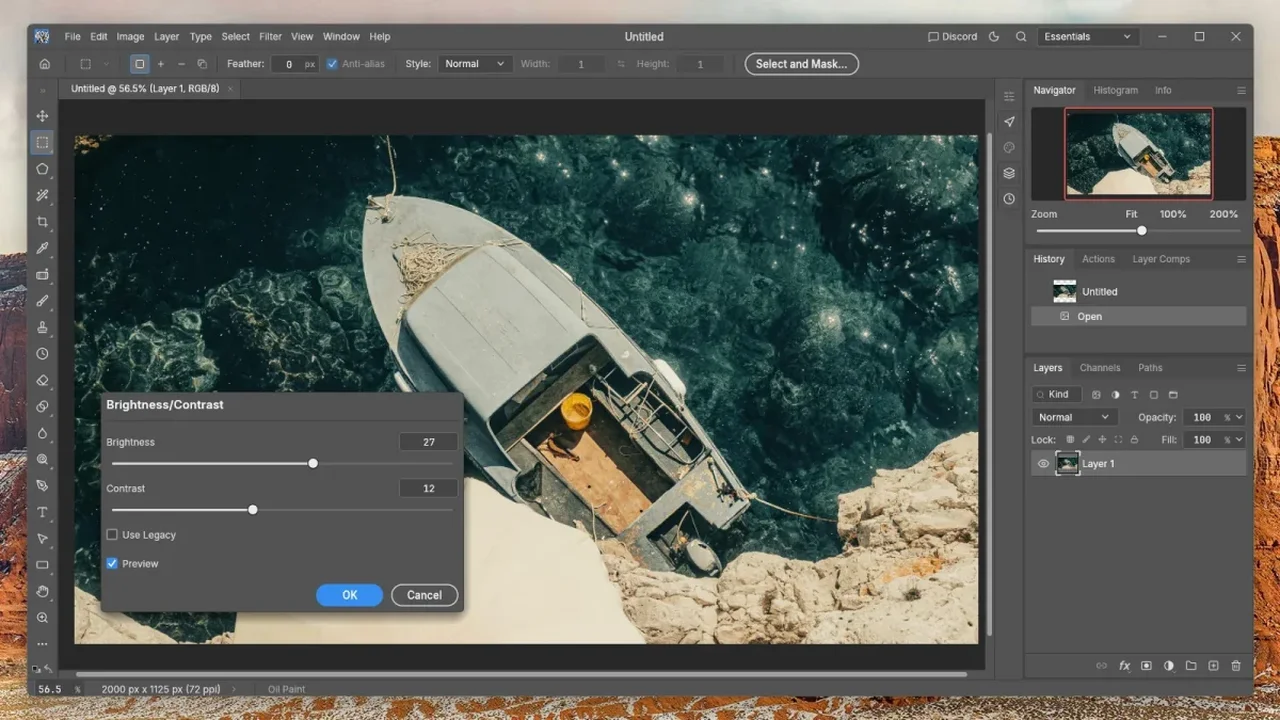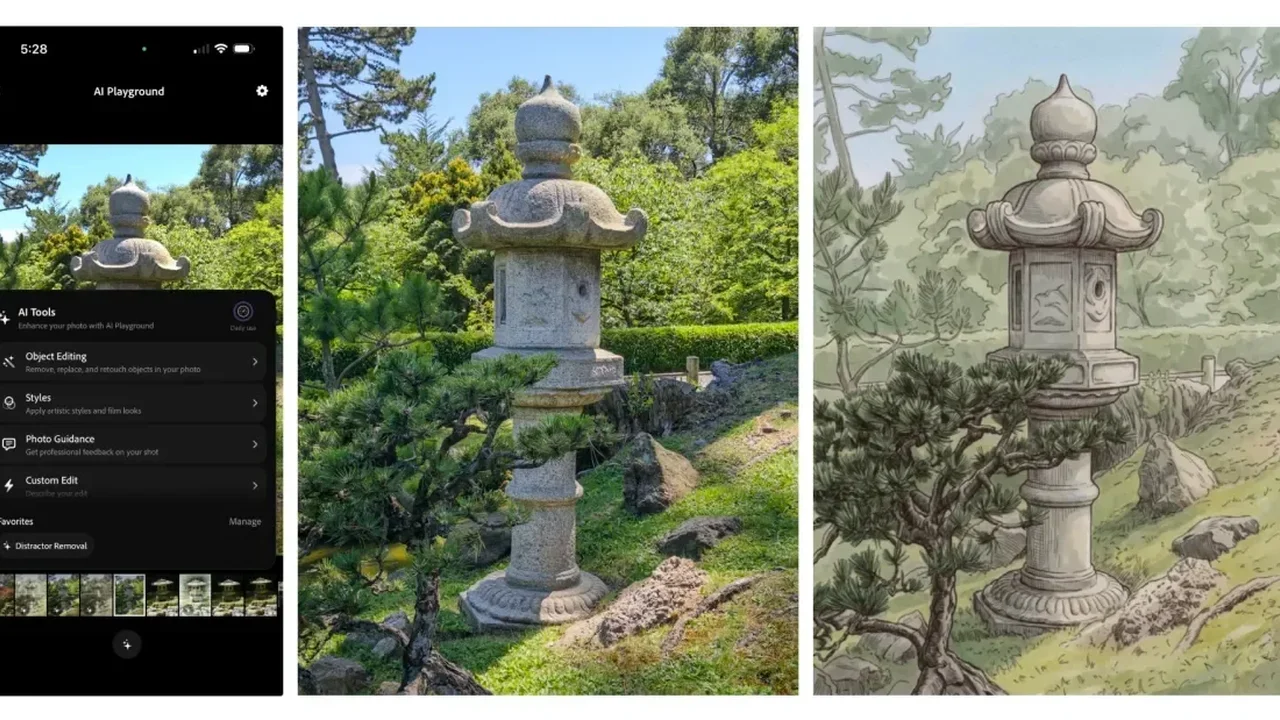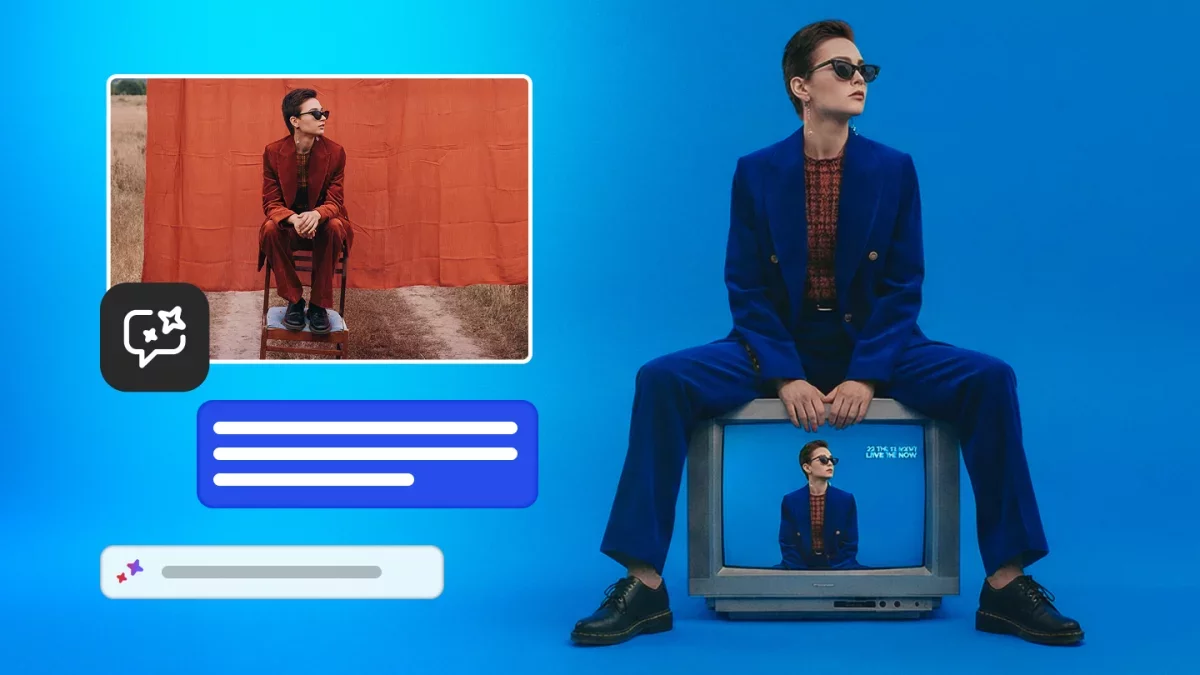
On Tuesday, Adobe introduced its long-awaited AI assistant for Photoshop, now available in beta for web and mobile users. This innovative feature is part of a broader initiative that includes enhanced AI-driven image editing capabilities for Adobe Firefly, the company's tool for media creation and editing.
Initially unveiled during the MAX event in October, the AI assistant aims to revolutionize how users interact with Photoshop. It enables users to seamlessly remove unwanted objects or individuals from photos, modify colors, and adjust lighting using simple prompts. With natural language instructions, users can request effects like soft glows, specific cropping formats, shadow enhancements, or even background transformations, making the editing process more intuitive.
For those subscribed to Photoshop, Adobe offers unlimited AI generations until April 9, while free users can access up to 20 generations as they explore the new features.
In addition to the AI assistant, Adobe is launching a public beta of a feature called AI markup. This tool allows users to draw markers on their screens, which the AI can then interpret to modify or remove objects. For example, users can sketch a flower to have it digitally rendered or mark an item for removal, facilitating creative adjustments with ease.
Furthermore, Adobe is enhancing Firefly with new image editing tools. The Generative Fill feature, already a staple in Photoshop, will now be integrated into Firefly, enabling users to replace or add objects and adjust backgrounds effortlessly. Firefly will also gain capabilities such as generative remove for object elimination, generative expand to increase image size using AI, and generative upscale features. A one-click tool for background removal will further streamline the editing process.
Back in February, Adobe announced it would allow unlimited generations for Firefly subscribers, encouraging more robust usage of the platform. The company has also expanded its offerings by integrating over 25 third-party video and image generation models, including Google's Nano Banana 2 and OpenAI's Image Generation, among others.
As Adobe continues to innovate within the realm of digital editing, the introduction of these AI features could significantly enhance the creative capabilities of users, paving the way for a more dynamic and user-friendly design landscape in the future.