Adobe has officially unveiled its new Firefly AI Assistant, a cutting-edge tool designed to streamline creative processes across various applications within the Creative Cloud suite. Initially previewed as part of "Project Moonlight," this innovative assistant is set to enter public beta soon.
The Firefly AI Assistant will empower users by allowing them to describe their creative visions, which the assistant will then bring to life. It seamlessly integrates with popular Adobe applications such as Photoshop, Premiere, Lightroom, and Illustrator, enabling it to manage tasks efficiently.
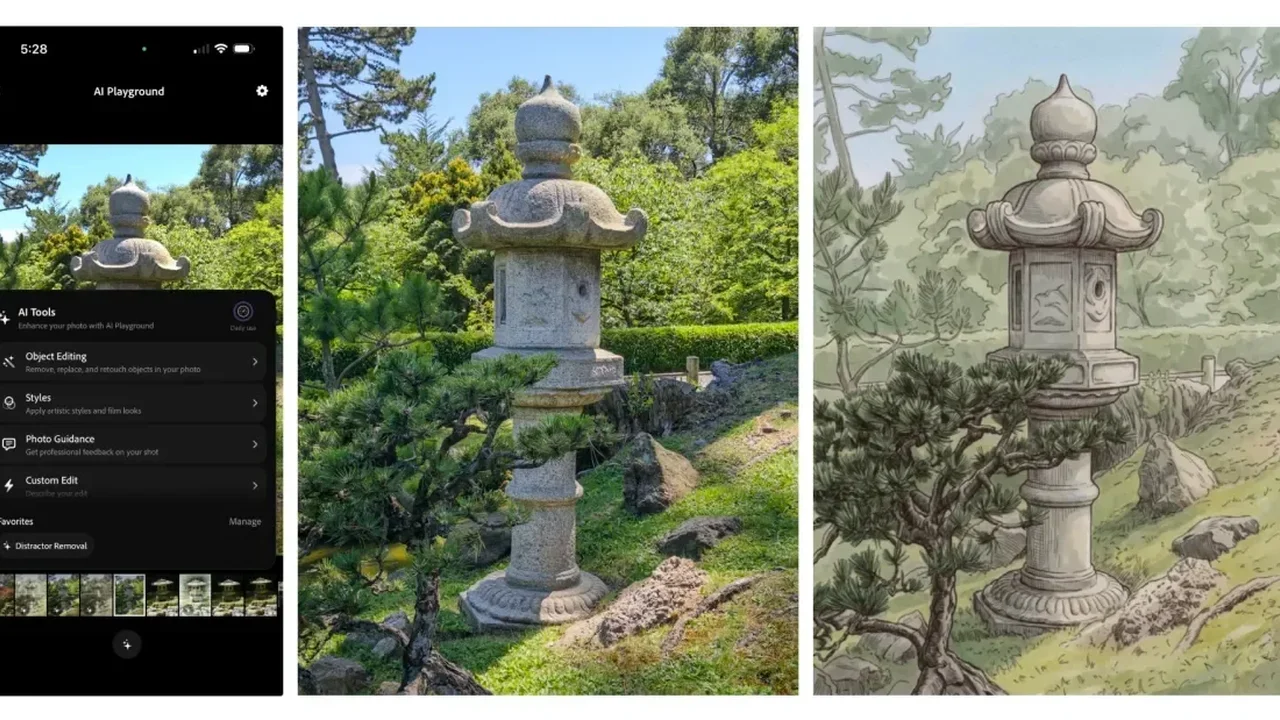
Users will have the ability to interact with the AI through text prompts, buttons, and sliders, giving them control over the output while allowing the assistant to suggest actions and manage workflows. For instance, when editing a product photo in a forest setting, the assistant could provide a slider to adjust the amount of trees and foliage visible. This personalized approach means the AI will adapt to users' creative preferences over time.
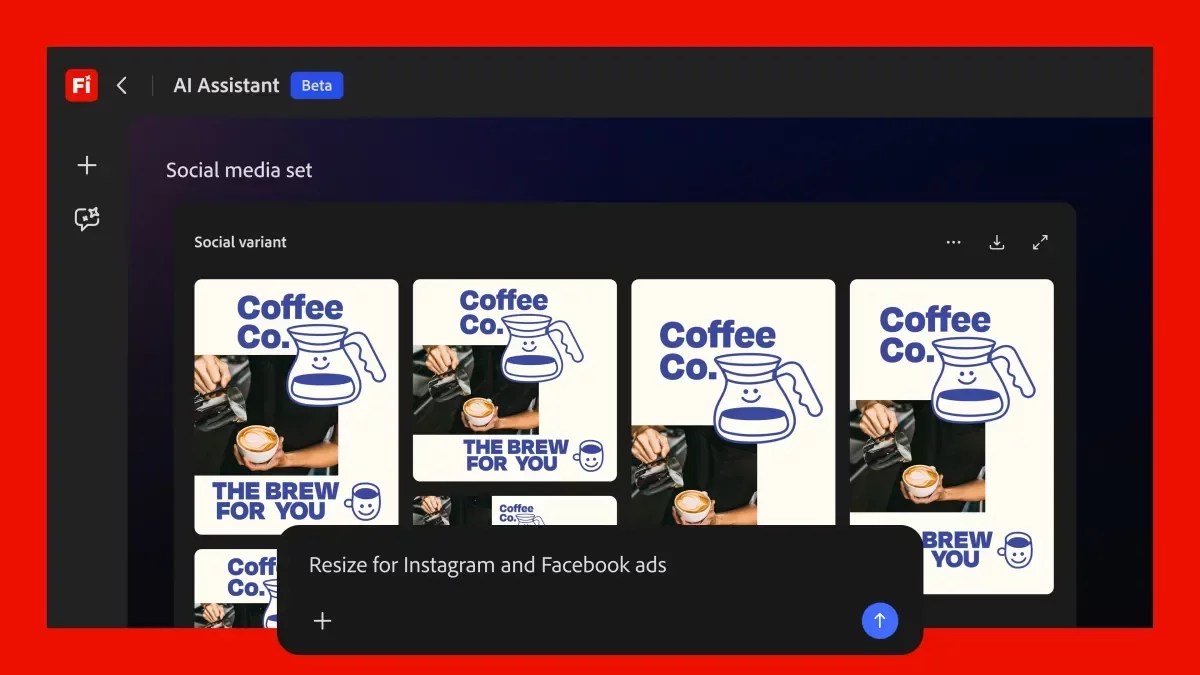
Adobe is also introducing "skills" for the assistant, which consist of multi-step processes. One such skill, aimed at social media, will help users optimize images for various platforms by adjusting dimensions and file sizes accordingly.
In addition to the Firefly AI Assistant, Adobe is enhancing its existing tools with new features. The AI video editor will soon include options for reducing noise in audio, adjusting reverb, and integrating with Adobe's stock library. Notably, the assistant is also exploring compatibility with third-party large language models to expand its capabilities.
Alexandru Costin, Adobe's Vice President of AI and Innovation, emphasized the potential of the Firefly AI Assistant to simplify the user experience across Adobe's extensive toolset. By minimizing the learning curve associated with these tools, Adobe aims to deliver greater value directly to its users.
As Adobe continues to innovate in the realm of AI-assisted creativity, the Firefly AI Assistant stands to redefine how users interact with their creative projects, making complex tasks more manageable and efficient. This development not only enhances productivity but also opens up new avenues for creativity in the digital landscape.