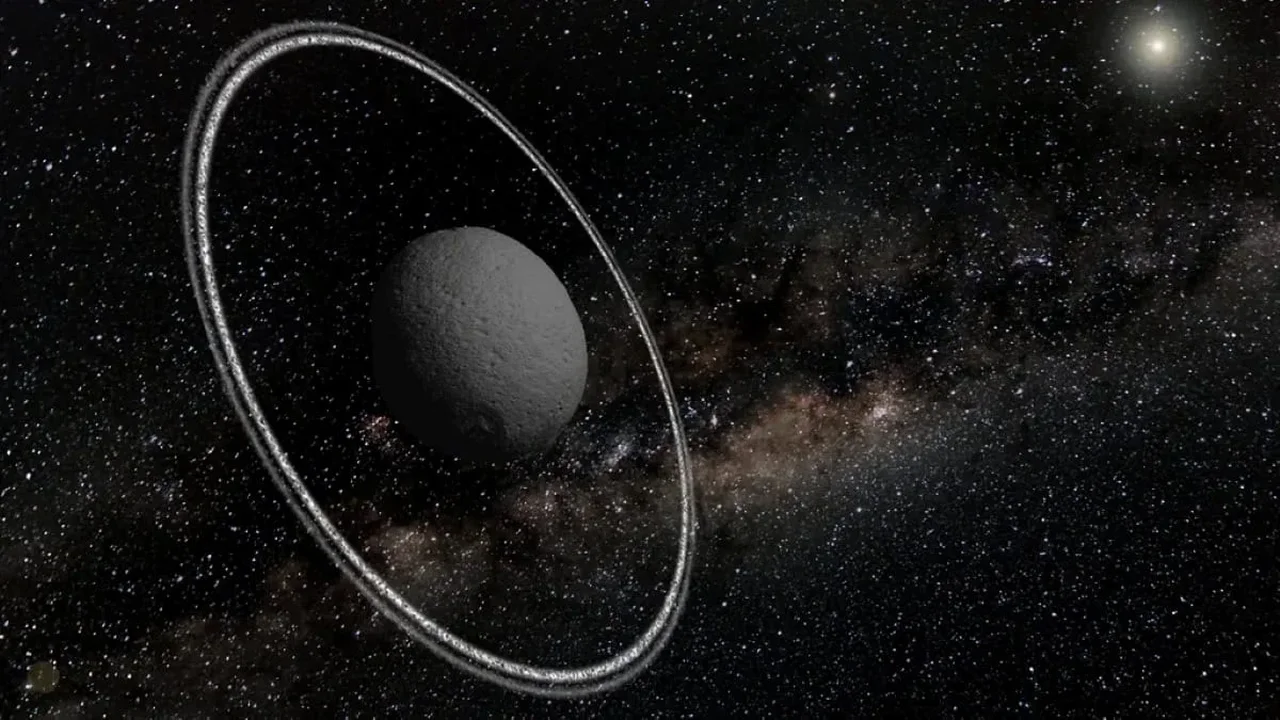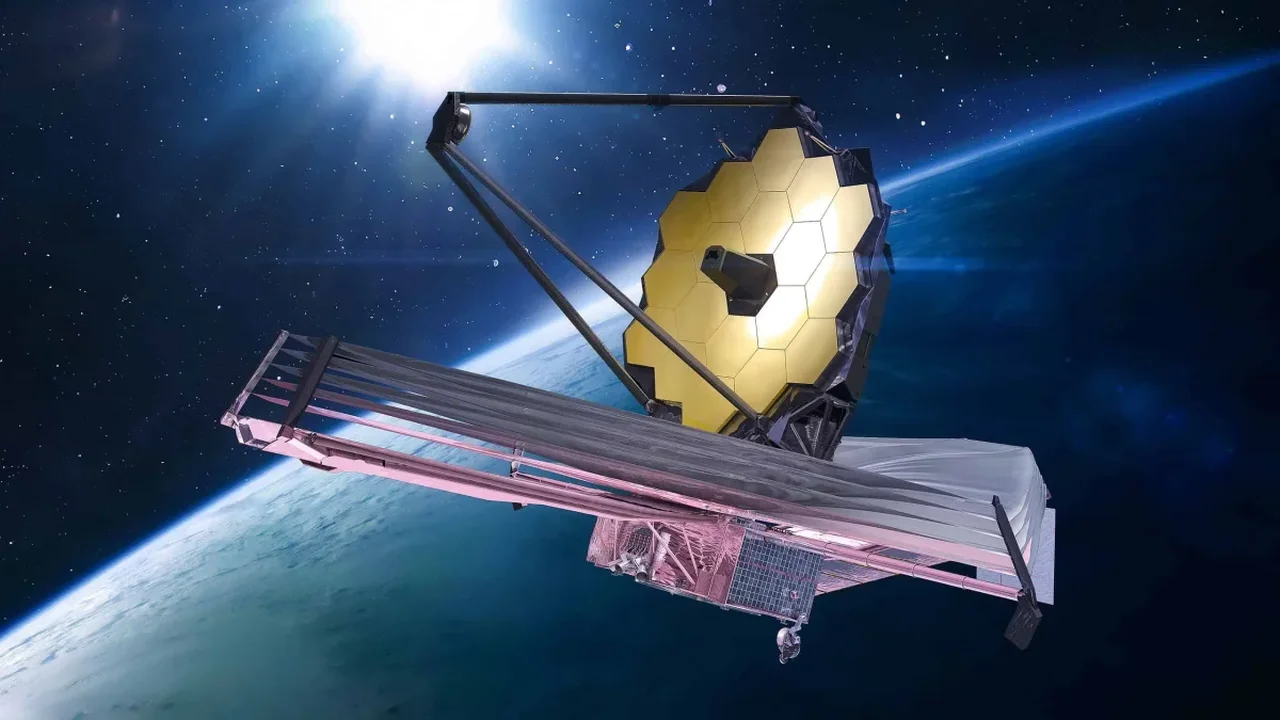
A computer-based replica of the James Webb Space Telescope has helped astronomers detect a known exoplanet that was concealed by starlight in earlier observations. The result shows how advanced data analysis can bring faint worlds into view without changing the telescope itself.
The method, called FLIP (Physics-based Learning for Imaging Planets), models how light travels through Webb's Near Infrared Camera, including the effects of tiny shifts in its optical system. Researchers use the model to estimate the star's glare and subtract it from the recorded data. The study was published in Nature.
Finding a signal in old observations
When the team applied FLIP to archived observations of the system 51 Eridani, it recovered 51 Eridani b, a young, Jupiter-like planet first identified in 2015. The planet had not appeared in the conventional analysis of Webb's observations at a wavelength of 4.3 microns. FLIP revealed it at that wavelength for the first time, improving sensitivity at its location by about fourfold.
The researchers also tested the method on observations of HIP 65426, a star with a known planet. Across the datasets, FLIP proved two to 15 times more sensitive to faint planets than standard approaches. To check that the flexible model would not erase genuine planetary signals, the team inserted simulated signals and confirmed that the method recovered them.
More discoveries in the archive
Because FLIP can analyze data already collected, it could help astronomers revisit Webb's archive for other overlooked planets. The team also plans to adapt the technique for NASA's Nancy Grace Roman Space Telescope and ground-based observatories.
Future observatories designed to image Earth-like planets face an extreme brightness challenge: their targets may be billions of times fainter than their stars. By improving how instruments' effects are modeled and corrected, methods like FLIP could strengthen the search for distant worlds in the years ahead.