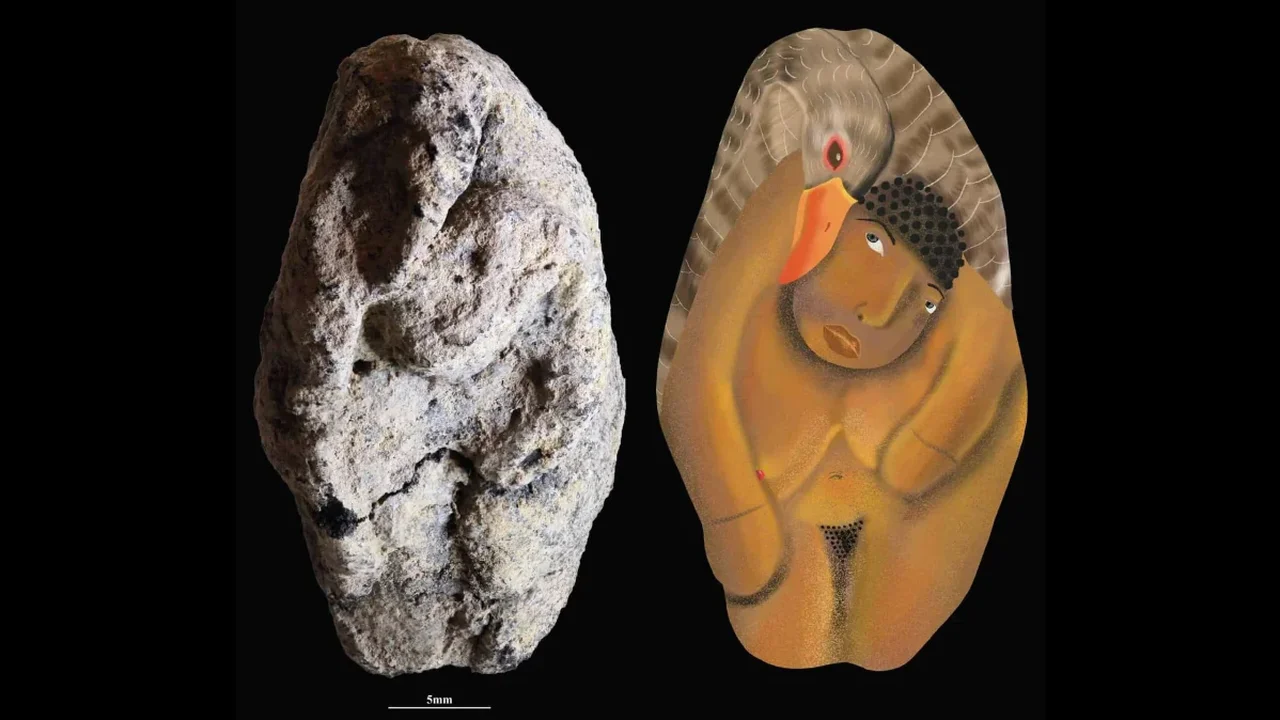
A small clay figurine preserves a remarkably personal trace of life around 15,000 years ago: fingerprints from an adult and a child, with the child's print crossing the adult's.
Researchers identified the prints while studying 154 clay artifacts associated with the Natufians, hunter-gatherers who lived in the Middle East. The material came from three archaeological sites in present-day Israel: Eynan-Mallaha, Hayonim Terrace and el-Wad Terrace. The findings were published in PLOS ONE.
Clues in the clay
By comparing fingerprint ridge spacing with prints from modern people, the team estimated the makers' ages. One mark on a human-shaped figurine from Eynan-Mallaha likely came from an adult; a smaller print, apparently left by a child under 15, overlapped it. This sequence may indicate that an older person handed the still-soft sculpture to a child.
Other objects also preserve possible evidence of young makers. A tiny bird figurine bears a print attributed to a child under 10. A clay cylinder carries two prints from a slightly older child, possibly made during shaping and later decorating.
Learning across generations
Of the 15 recognizable figurines identified, 11 depict birds. Some show carefully marked feathers or poses resembling duck courtship displays. One bird figure was found near burned mallard bones, prompting researchers to suggest that some objects may have helped adults share knowledge about animals, seasons or cultural practices.
Their exact purpose remains uncertain, and the limited signs of prolonged handling suggest they were not simply everyday toys. Still, the collection indicates that Natufian clay art was made across generations and flourished before farming became widespread.
These fingerprints offer a rare glimpse of knowledge and creativity being shared in prehistoric communities. Further study of such artifacts may reveal how early art helped connect generations and shape cultural memory.