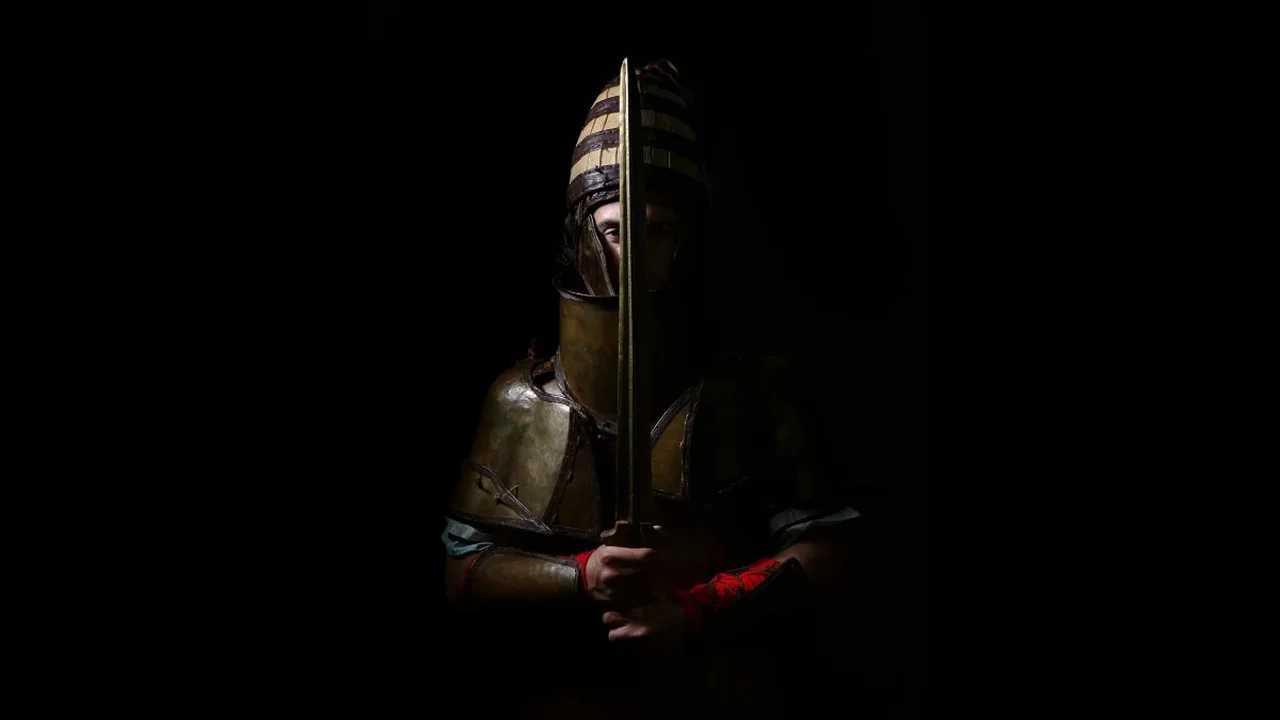
A new experimental archaeology study has given fresh momentum to the world of Bronze Age research. Scientists testing a 3,500-year-old Mycenaean armor replica found that the Dendra panoply could support sustained movement and combat, suggesting it was built for real battlefield use rather than ceremonial display.
The armor, discovered in Dendra, Greece, dates to the 15th century BCE and is among the oldest full-body suits of armor known in Europe. Researchers from the University of Thessaly and the University of Birmingham recreated the bronze design using historically informed materials and construction methods, then asked 13 Greek Marines to wear it in an extended simulation inspired by Homer's Iliad.
Over an 11-hour protocol, the volunteers performed combat-style movement, marching, and tactical activity while wearing the replica. The results showed that the armor remained practical for endurance-based fighting, even if it was heavy. The team also noted that the design offered effective protection without fully limiting performance.
To improve accuracy, the researchers reconstructed not only the armor but also a Mycenaean-style sword and used environmental and dietary data to model Bronze Age conditions. Their approach combined archaeology, physiology, and digital simulation, creating a vivid test of how ancient warriors may have operated in the field.
The study adds a new layer to debates about Homeric warfare and the military sophistication of Mycenaean society. It also highlights how experimental methods can turn ancient objects into active sources of knowledge. As research tools become more advanced, the boundary between legend and lived history may become even clearer in the years ahead.