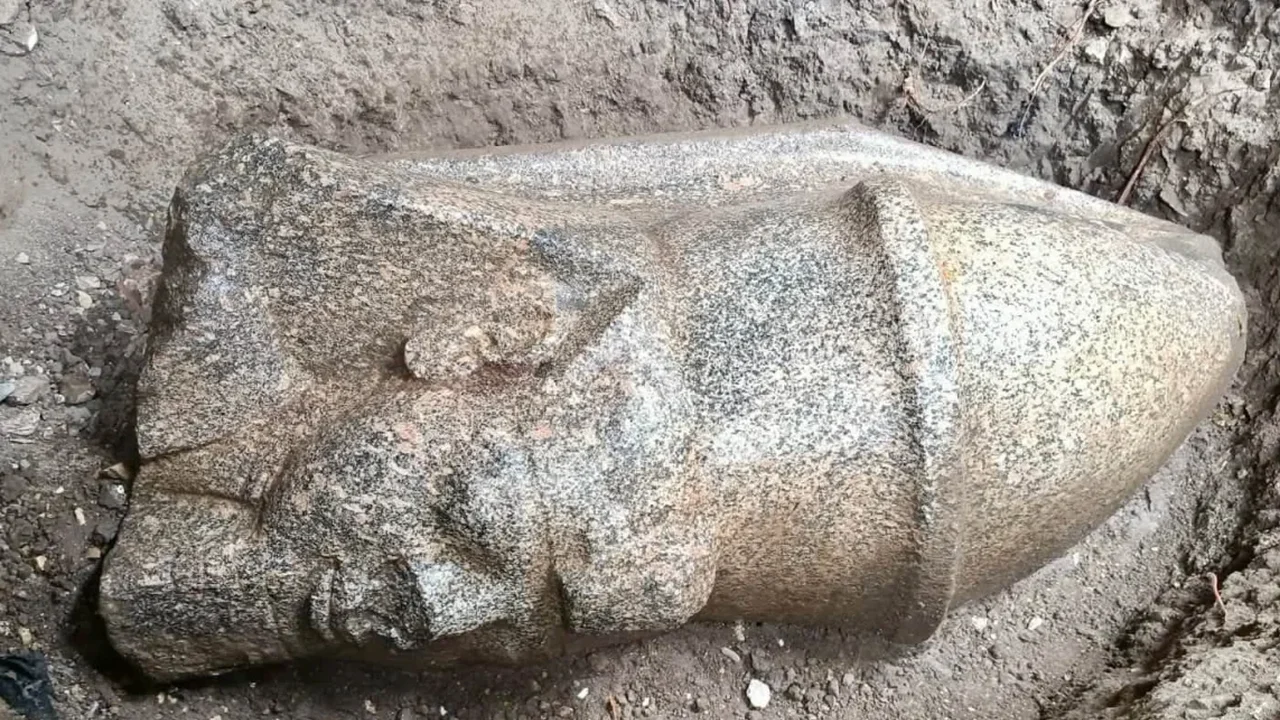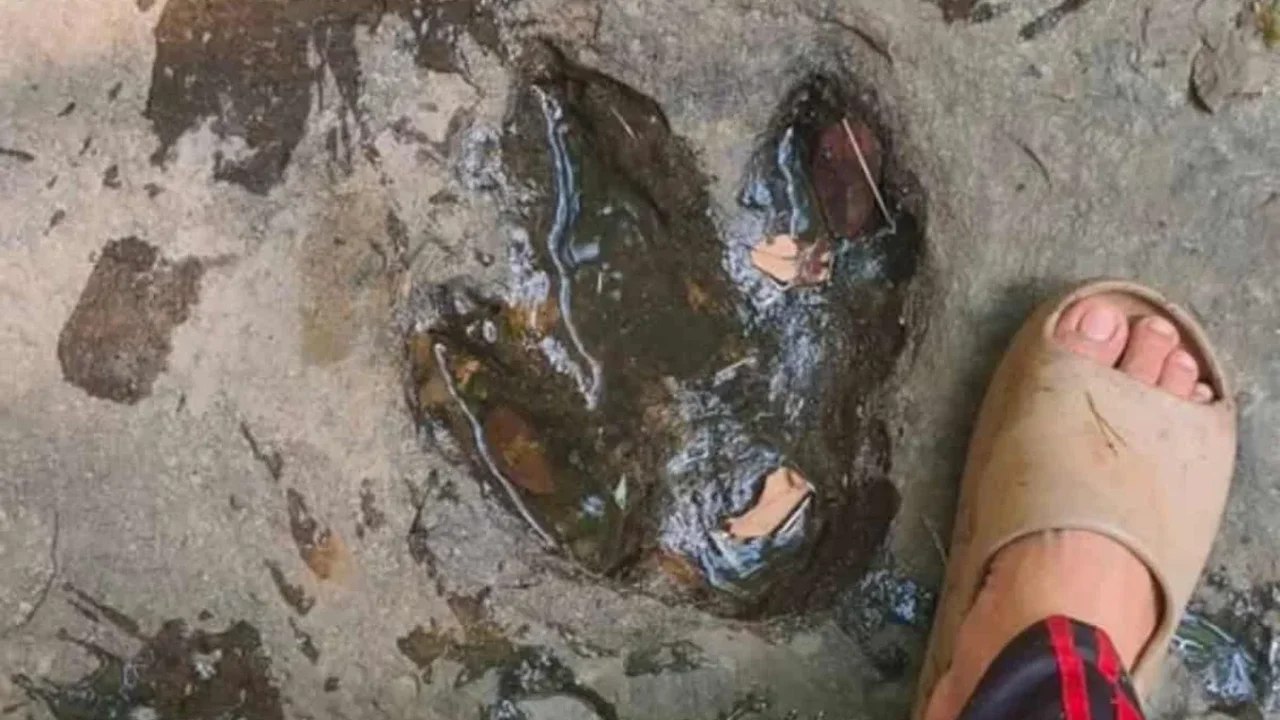
A forest stream in northeastern Thailand has revealed a remarkable trace of prehistoric life. While exploring with his family, Pichai Prathetsena spotted three-toed impressions in stone and shared the discovery for identification.
Thailand's Department of Mineral Resources confirmed on October 20 that the markings are dinosaur footprints dating back about 120 million years. Specialists identified six impressions in a continuous trackway, making it the first confirmed site of carnivorous dinosaur tracks in Udon Thani province.
Clues to a prehistoric walk
The tracks were made by a theropod, a group of mostly meat-eating dinosaurs that walked on two legs. Each footprint is about 29 centimeters long and 26 centimeters wide. Their dimensions and spacing suggest the animal was approximately 6.3 meters long, with a hip height of around 1.42 meters. The exact species cannot be identified from footprints alone.
The impressions are preserved in sandstone from the Phu Phan Formation, which dates to the Early Cretaceous. Researchers believe the area was once a waterside environment, where tracks made in soft ground were eventually preserved in rock.
Unlike fossilized bones, trackways can help scientists study how dinosaurs moved. The shape and distance between footprints offer clues to an animal's stride and gait, while multiple trails can sometimes reveal whether animals traveled together.
Authorities are assessing ways to protect the site from erosion and visitor damage, with the aim of developing it as an educational and paleontological destination. Careful preservation could help future research turn this ancient path into a lasting resource for understanding dinosaur movement and Thailand's prehistoric landscapes.