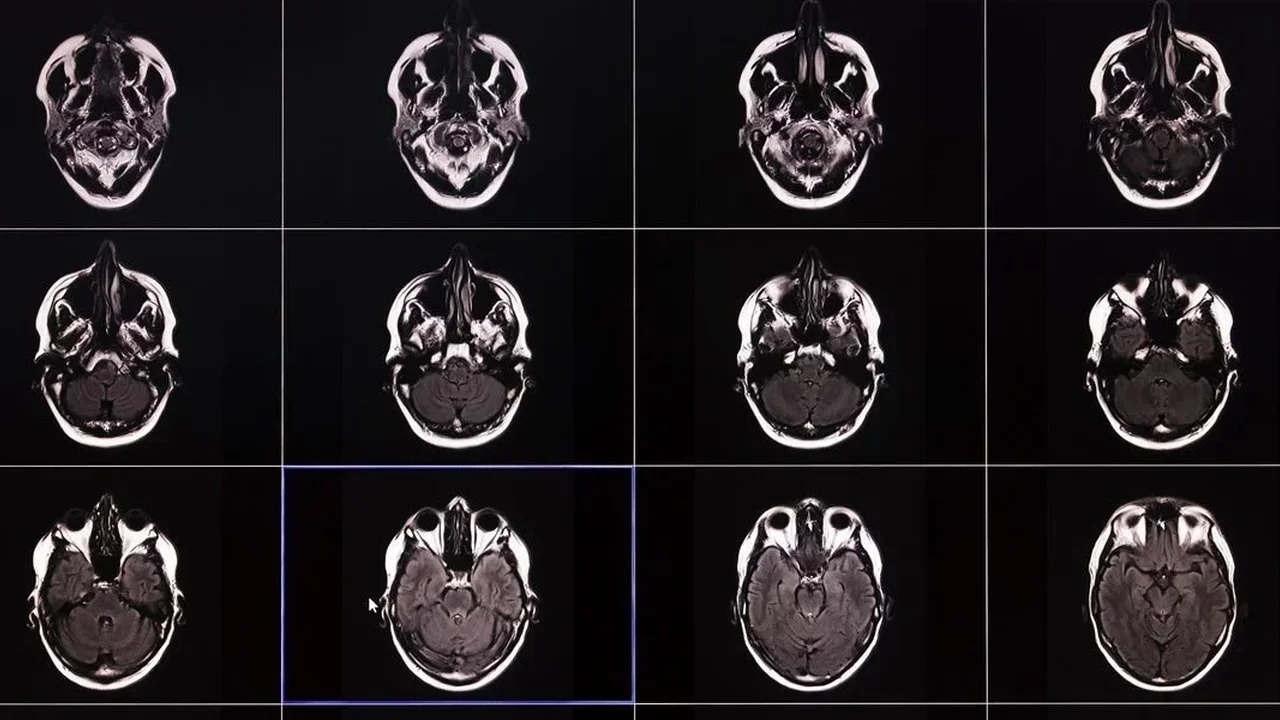
Researchers analyzing more than 10,000 MRI scans have uncovered a broader view of how memory changes with age. The study, published in Nature Communications, suggests that memory decline is not tied to a single brain region, but to structural shifts across multiple areas.
Led in part by Alvaro Pascual-Leone of Harvard and the Hinda and Arthur Marcus Institute for Aging Research, the team reviewed 10,343 brain scans and 13,460 memory tests from 3,737 cognitively healthy adults. Their analysis found that shrinking tissue in several regions was associated with weaker memory performance over time.
The hippocampus, long considered the central hub for memory, showed the earliest and strongest changes, beginning in the late 50s. But the study also identified volume loss in connected brain regions and in areas of the temporal lobe, which help process visual and auditory information used to build and recall memories.
One of the key findings is that memory aging appears to be more complex than a slow, uniform decline. Instead, the more brain regions affected by shrinkage, the faster memory loss tended to progress. That insight may help scientists identify risk earlier and design more personalized strategies to support cognitive health.
The research adds momentum to a more complete understanding of brain aging, one that looks beyond a single structure and toward the brain as an interconnected system. In the future, this perspective could guide earlier screening and more tailored approaches to preserving memory across the lifespan.