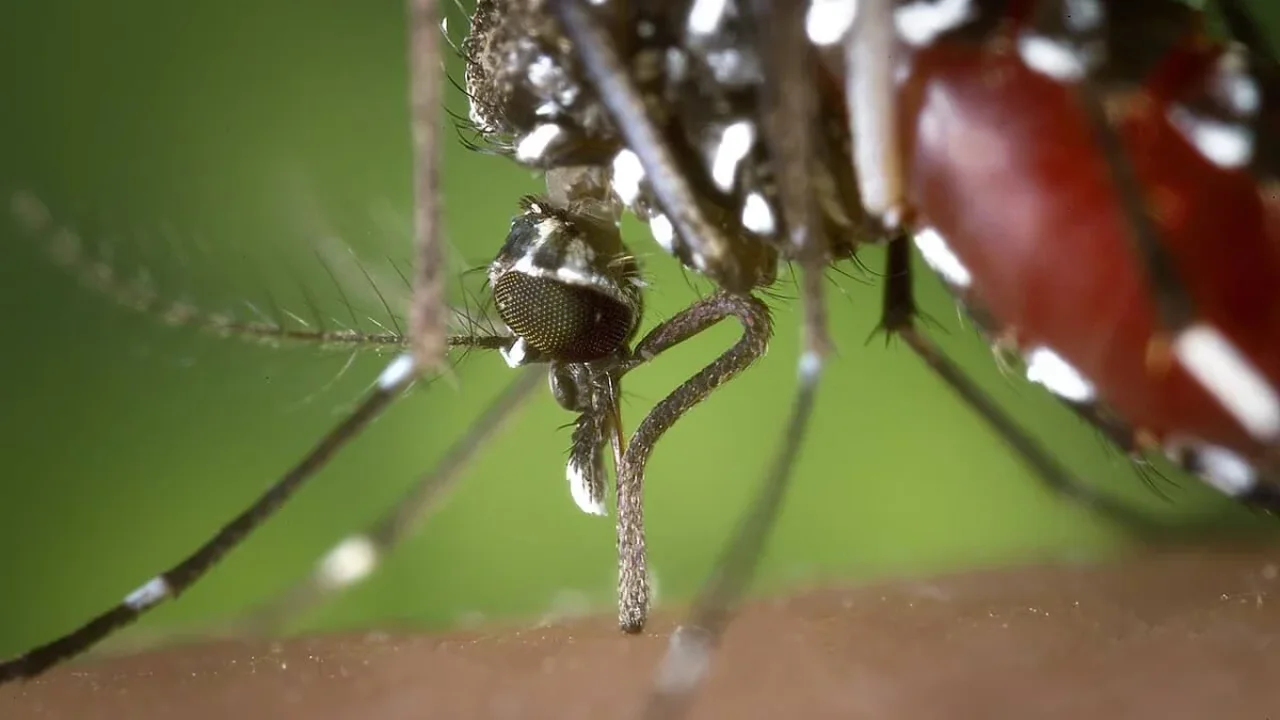
Feeling like a mosquito magnet may be less about you alone and more about which mosquito species is nearby. New research suggests that different mosquitoes respond to distinct combinations of skin chemicals and microbes, meaning one person may appeal to one species but not another.
A personal scent signature
Scientists at Florida International University studied 119 volunteers alongside three common mosquito species: Aedes aegypti, Aedes albopictus and Culex quinquefasciatus. The findings showed that the volunteers most attractive to one species were not necessarily favored by the others.
Participants' natural body odors were tested under controlled conditions. The attraction rankings showed only limited overlap, indicating that there is no universal "mosquito magnet" profile.
Skin chemistry shapes mosquito preferences
Human skin releases a complex mix of airborne compounds created by the body, sweat, skin oils and the skin microbiome. These microorganisms help transform natural skin substances into chemical signals that mosquitoes can detect.
Aedes aegypti showed greater interest in people with higher levels of ethyl 2-methylbutanoate, a compound with a fruity scent. Meanwhile, chemicals associated with pine, herbs and citrus appeared more common among people this species found less appealing.
Aedes albopictus followed a different pattern, responding to a broader group of 13 compounds, including sulcatone. Culex quinquefasciatus also appeared to react to its own distinct scent profile, reinforcing the idea that mosquito attraction is highly species-specific.
A path toward smarter repellents
The researchers note that these chemical links still require further testing. Yet the results could support more precise approaches to insect protection, from scent-based repellents to microbiome-focused innovations designed for particular mosquito species.
Published in iScience, the research highlights how personal biology and environmental science can come together to create more tailored everyday solutions. In the future, understanding our individual scent signatures may help inspire longer-lasting and more personalized mosquito-repellent technologies.