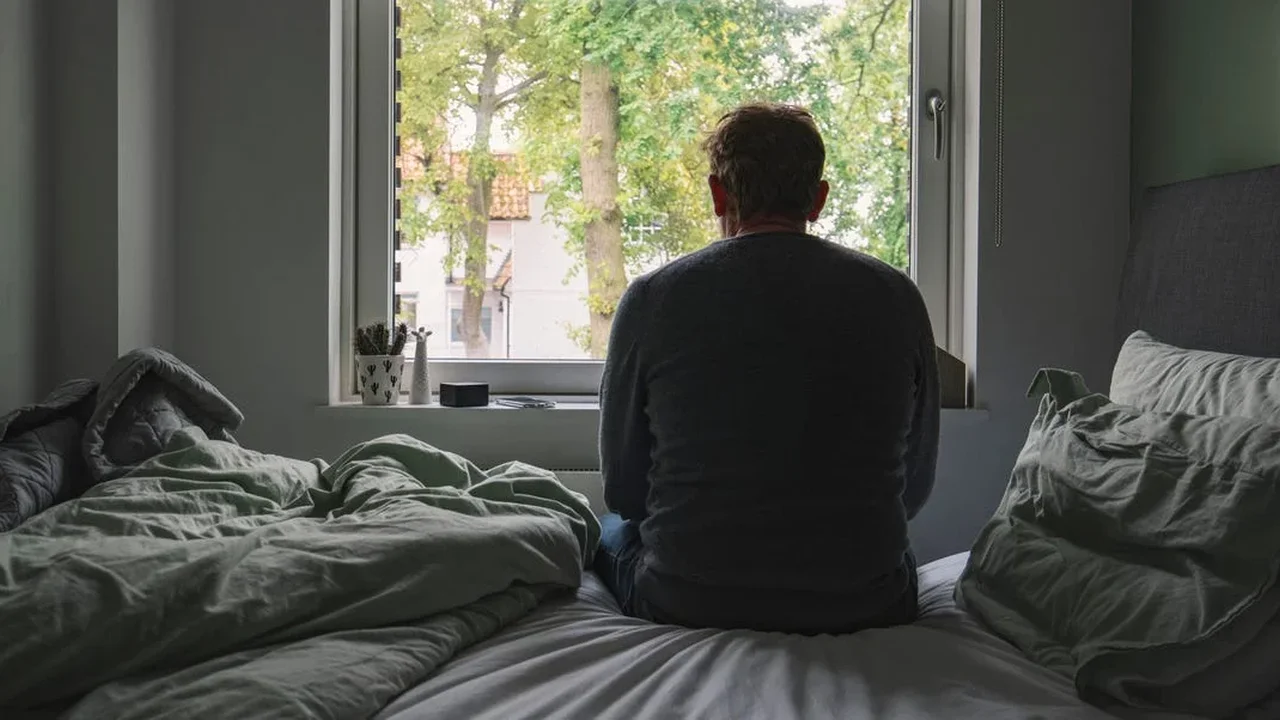
Depression does not always appear as visible sadness. For many men, it may emerge through irritability, persistent exhaustion, reduced patience or an intense need to stay constantly occupied.
When emotional strain is expressed through behavior
Mental health professionals note that some men may externalize distress rather than describe low mood directly. Sudden anger, increased alcohol use, risky high-adrenaline activities or withdrawing from close relationships can signal that someone is struggling.
Another pattern is escapism: hobbies, sports, gaming, work or exercise can become excessive when they are used primarily to avoid emotional discomfort. Activities that are healthy in moderation may begin to disrupt sleep, relationships or daily responsibilities.
Busy schedules can sometimes mask deeper needs
According to clinicians, productivity can also become a form of emotional avoidance. Working longer hours, training relentlessly or filling every moment with plans may offer temporary relief, while leaving little room to recognize stress, sadness or loss of enjoyment.
At NYU Langone Health, psychiatrist Dan Iosifescu highlights how social expectations around toughness can make it harder for men to identify depression or seek support. Traditional diagnostic expectations may also overlook symptoms such as anger and withdrawal when sadness is not openly expressed.
Starting a supportive conversation
Experts recommend approaching a friend or family member with calm, specific observations rather than labels. Saying that they seem unlike themselves, unusually tired, distant or no longer interested in familiar routines can create space for an honest exchange.
A walk, shared activity or informal conversation may feel more comfortable than a formal sit-down. If someone is open to professional support, practical help--such as finding a qualified therapist or checking in after an appointment--can lower the barrier to care.
Recognizing that mental health can take many forms may help communities build more accessible, compassionate pathways to well-being in the future.