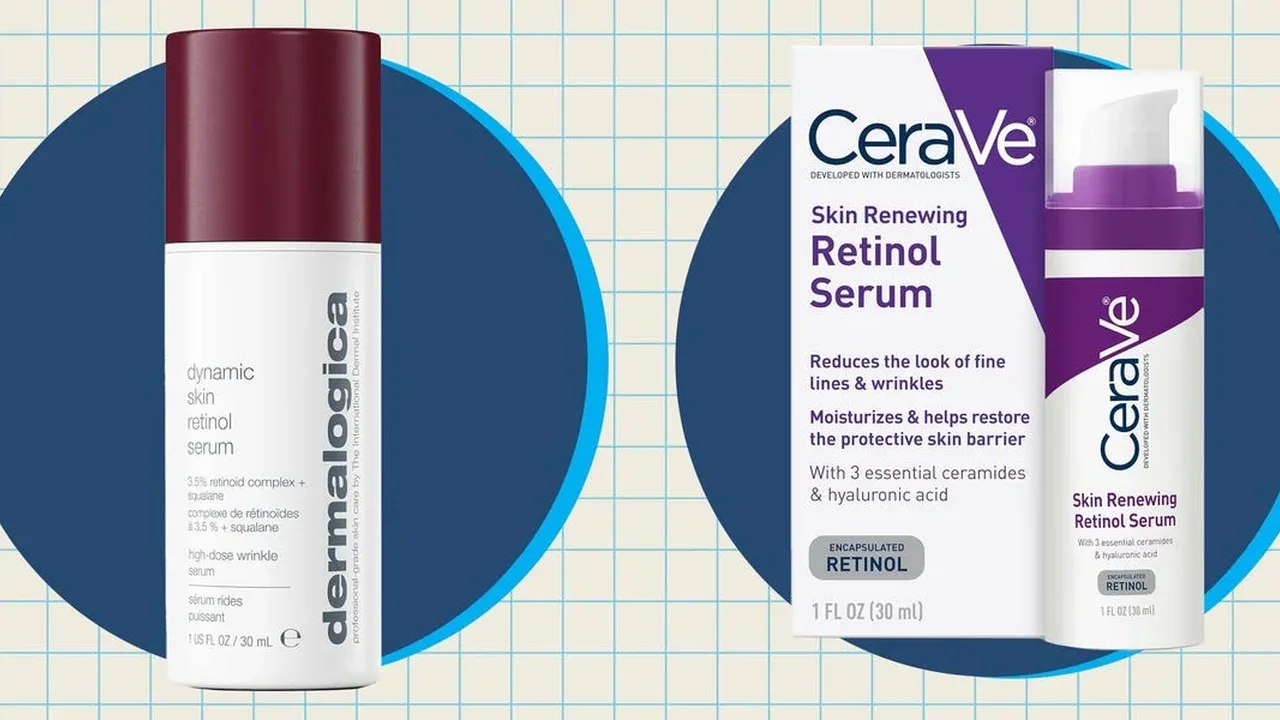
Men in their late 20s and 30s are increasingly adding retinol to streamlined skincare routines. A vitamin A derivative, retinol is valued for supporting skin renewal and collagen production--two processes linked to smoother texture, more even-looking tone and the softened appearance of fine lines.
The ingredient can also support people experiencing visible congestion or blemishes. Retinol works in the same fundamental way across genders, so products marketed specifically for men are not necessary; the better choice depends on individual skin type, sensitivity and goals.
Why a slow start matters
Consistency matters more than choosing the highest concentration. Beginners can consider a low-strength formula, typically around 0.1% to 0.3%, and apply a pea-sized amount across the face one or two evenings a week. Skin can then gradually adapt over several weeks before frequency is increased.
Apply retinol to clean, fully dry skin and follow with a moisturizer. For dry or sensitive skin, using moisturizer before and after retinol--often called the sandwich method--may make the adjustment more comfortable. Formulas containing ceramides, glycerin, hyaluronic acid or panthenol can also complement the skin barrier.
Keep the routine focused
During the first weeks, it is useful to avoid combining retinol on the same evening with strong exfoliating acids or physical scrubs. Vitamin C is often better reserved for the morning routine, while retinol remains a nighttime step. Avoid applying it too close to the eyes, lips and nose creases, where skin tends to be more delicate.
Daily broad-spectrum SPF 30 or higher remains essential. Retinol complements sun protection rather than replacing it, and regular sunscreen use helps support an effective long-term routine. If persistent discomfort occurs, pausing use and consulting a dermatologist is the most practical next step.
As skincare becomes more personalized, a simple, well-tolerated retinol habit may help more people build sustainable preventive-care routines for the years ahead.