For AI startups, selecting a model strategy is becoming one of the most consequential early decisions. The choice between open-source models, proprietary systems, local deployment or hybrid stacks can influence product speed, operating costs, data control and long-term differentiation.
A practical debate for AI builders
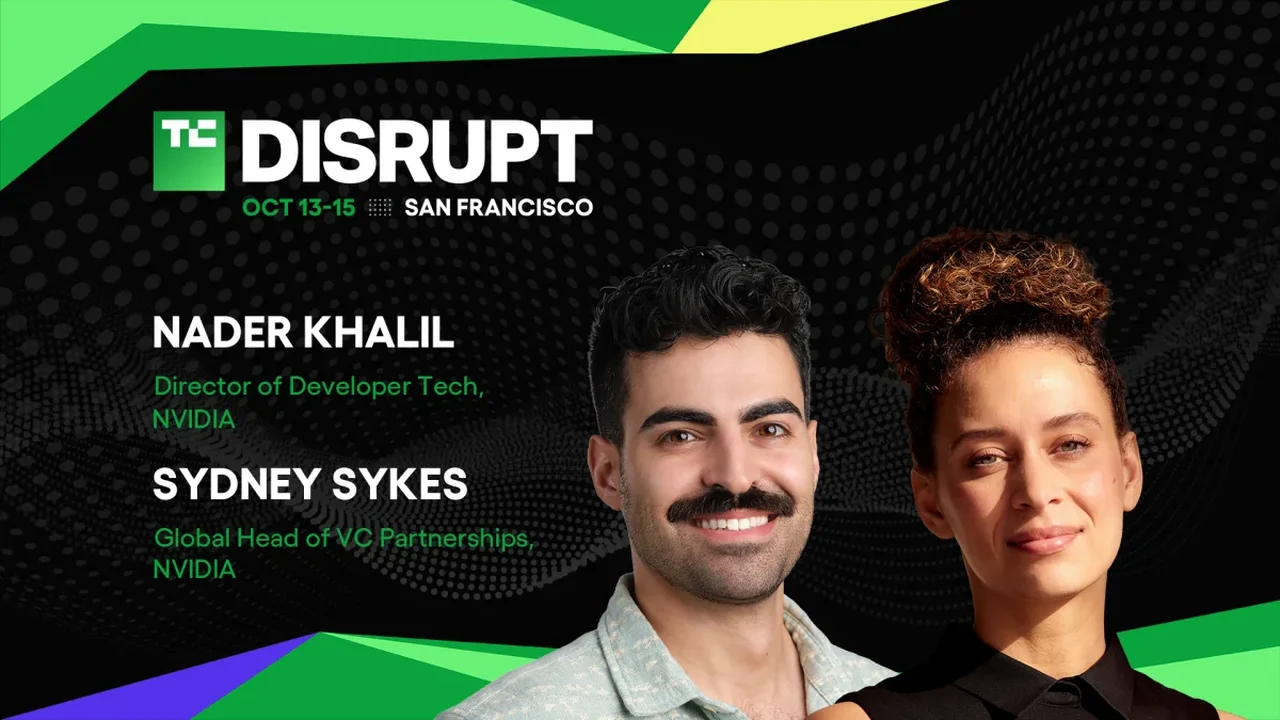
At TechCrunch Disrupt 2026, Nvidia's Director of Developer Tech Nader Khalil and Global Head of VC Partnerships Sydney Sykes will examine how founders can assess these options in a rapidly changing AI market.
The discussion will focus on the commercial and technical trade-offs behind each route. Proprietary frontier models may help teams launch quickly with advanced capabilities, while open models can offer greater flexibility, customization and control over deployment. However, running and optimizing an independent stack also requires sustained infrastructure expertise.
The evolving performance of open AI models has made the decision less straightforward. Nvidia says its Nemotron model family and datasets have been used across research areas including robotics, autonomous systems and biomedicine. At the same time, proprietary developers continue to advance the capabilities of their own models.
Why hybrid AI strategies are gaining ground
Rather than treating the market as a simple open-versus-closed contest, many companies are combining multiple systems. A startup may use a proprietary model for highly complex tasks, deploy an open model for specialized workflows, and keep selected operations local to support data governance or cost management.
This approach can reduce dependence on one provider while allowing teams to match models with specific product needs. Yet a durable competitive advantage rarely comes from model access alone. It may instead emerge through proprietary data, workflow design, customer experience, distribution or deep sector expertise.
Khalil brings an infrastructure perspective shaped by his work on developer tools and local AI. Sykes will add an investment lens, addressing how technical decisions connect to scalability, capital efficiency and a company's broader business case.
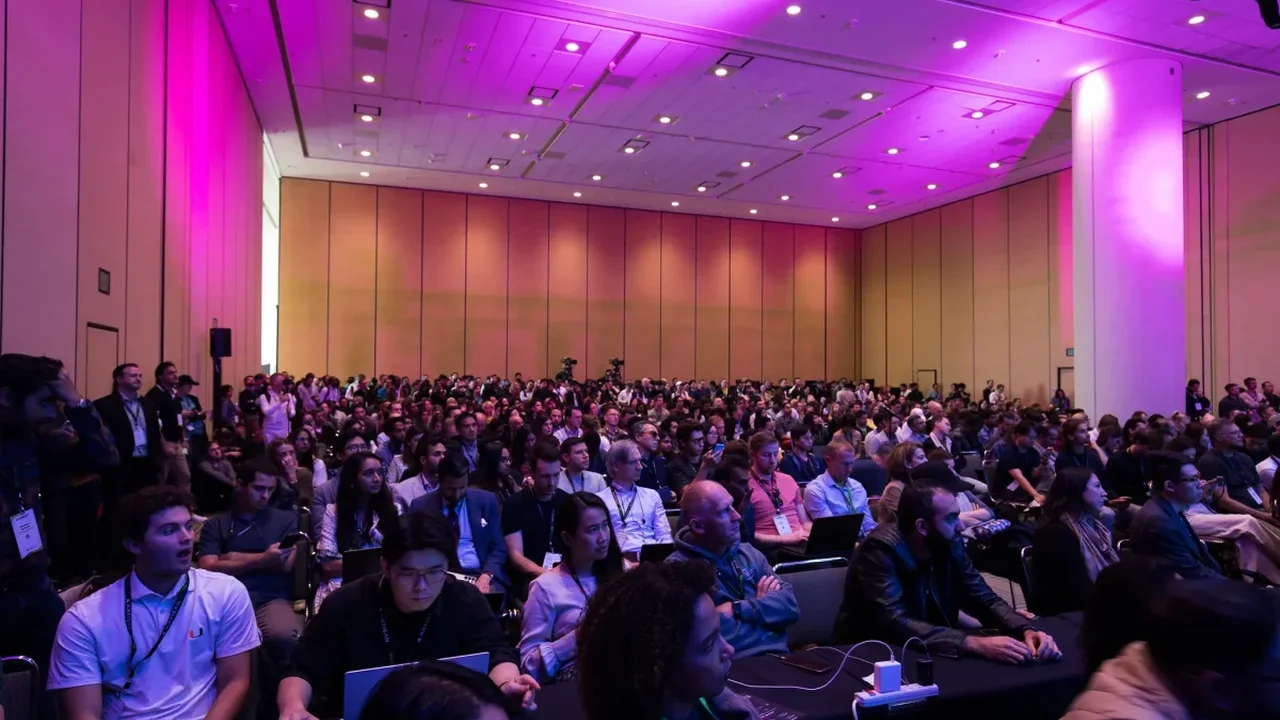
The session is scheduled for October 13-15 in San Francisco and is designed for founders, developers, investors and product leaders navigating the next phase of AI development.
As model capabilities and economics continue to shift, the future of AI products may belong to teams that build adaptable, multi-model strategies around real customer value.