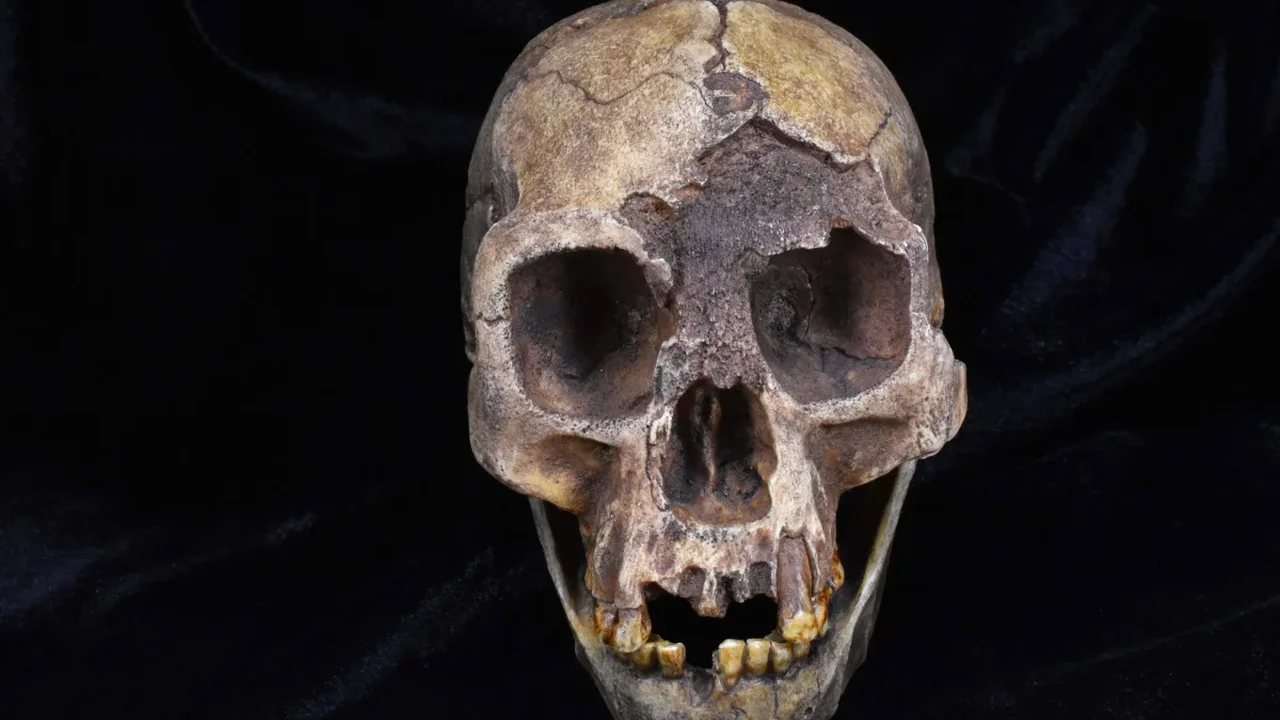
A 2024 study led by researchers at the University of Cambridge suggests that competition between species may have shaped human evolution in an unexpected way. In many vertebrates, competition tends to slow the emergence of new species as ecological niches fill. In the human genus, however, greater species diversity was associated with a higher rate of new species forming.
To investigate the pattern, biological anthropologist Laura van Holstein compiled roughly 385 fossil-record occurrences and used modelling to account for gaps in fossil discovery and the conditions that affect preservation. The analysis also suggests that some hominin species may have overlapped in time rather than one evolving directly into another.
Innovation opened new niches
The researchers propose that tools, fire and new hunting methods could have helped early members of the genus Homo adapt to different environments without waiting for major physical changes. As groups occupied distinct settings and became separated, those differences may have created opportunities for evolutionary divergence. The study presents this as a possible explanation, not proof that competition alone drove the pattern.
Evidence published in 2026 adds to the picture of hominin adaptability: studies of fossil teeth indicate that Homo erectus lived in tropical forests in southern China between about 324,000 and 184,000 years ago. The findings suggest ancient human relatives could thrive in a wider range of habitats than previously assumed.
Published in Nature Ecology & Evolution, the research reframes human evolution as a story shaped by both environmental pressures and interactions among species. Further fossil discoveries and improved analysis may clarify how innovation helped early humans adapt to an ever-changing world.