The rapid evolution of artificial intelligence is reshaping not only what companies build, but also which products can stand out. Some AI ventures have closed, while others have been folded into larger platforms or redesigned after user feedback.
S&P Global Market Intelligence estimates that about 42% of corporate AI initiatives are eventually abandoned. Funding, technical hurdles, competition, scalability and user demand can all influence whether a project finds a lasting place in the market.
From standalone products to integrated features
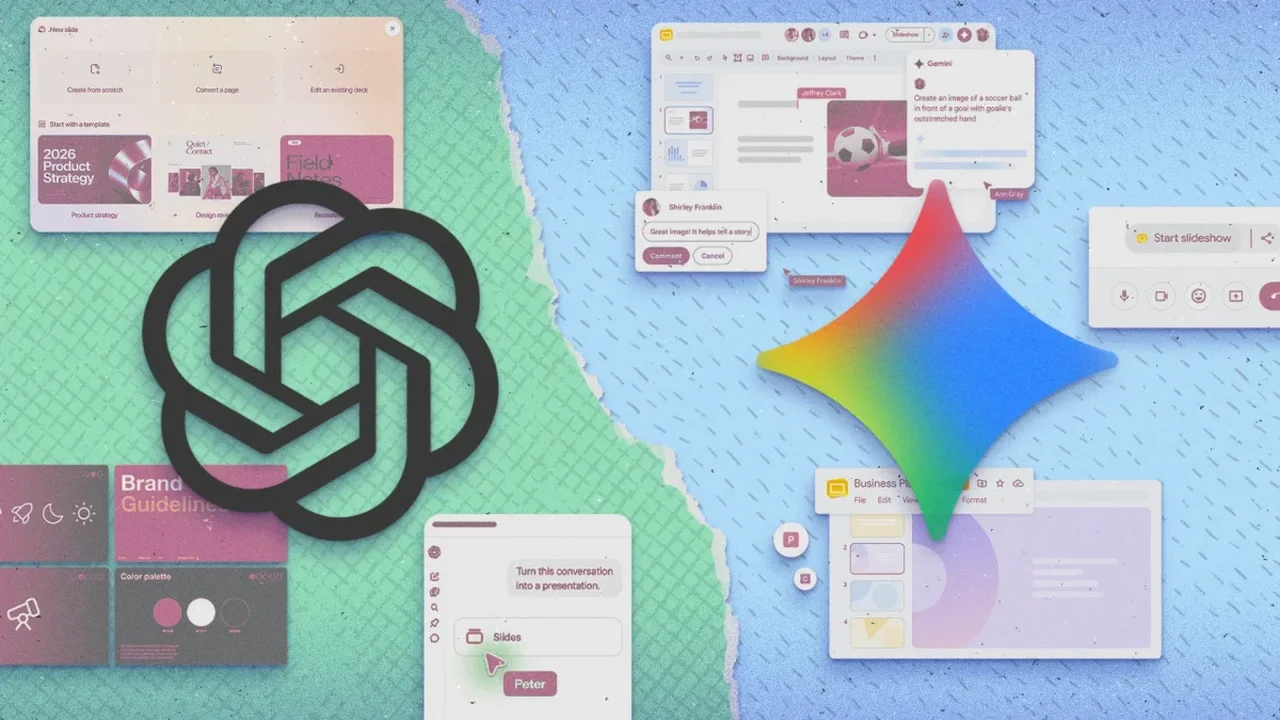
Relay, an AI workflow automation service, closed as larger platforms added similar capabilities. OpenAI has also discontinued standalone products such as its Atlas browser and Sora, while bringing selected features into ChatGPT. The company reversed a broader app redesign after users found the new layout confusing.
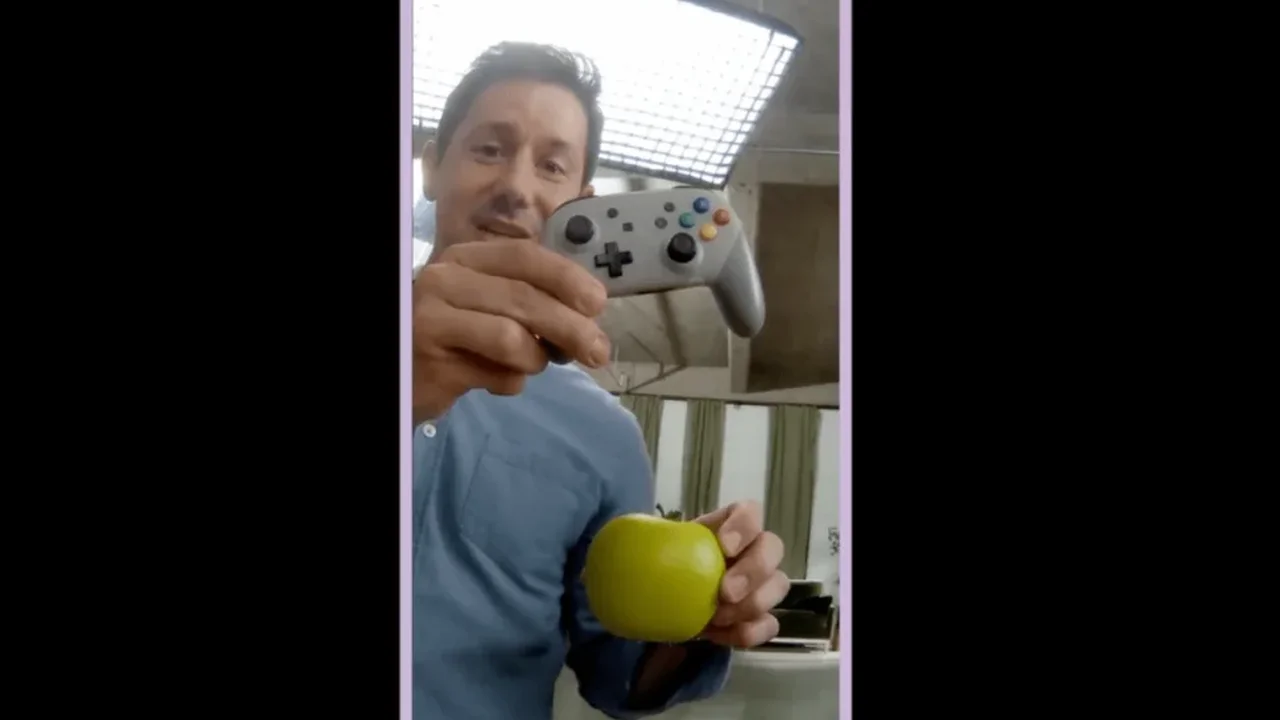
Other experiments illustrate the challenge of building AI hardware and services people return to. Humane ended its AI Pin business in 2025, and HP acquired most of its assets. Rabbit continues to update its R1 device, while AI audio app Huxe and model-comparison platform Yupp closed in 2026. Notion Mail, introduced in 2025, was slated to shut down on September 22, 2026 as users increasingly turned to AI agents for inbox tasks.
Designing for trust and everyday value
Some initiatives have evolved rather than disappeared. Apple's enhanced Siri reached the iOS 27 beta in July, with an English-language rollout planned first. Microsoft's Recall feature, meanwhile, was delayed and redesigned as the company worked to address privacy and security questions.
Together, these cases point to a fast-moving market where a compelling demonstration is only a starting point. Products that solve frequent, clearly defined problems--and earn user trust--may be better positioned to endure. As AI becomes more widely embedded in everyday tools, these experiments can help shape services that are more useful, integrated and responsive to people's needs.