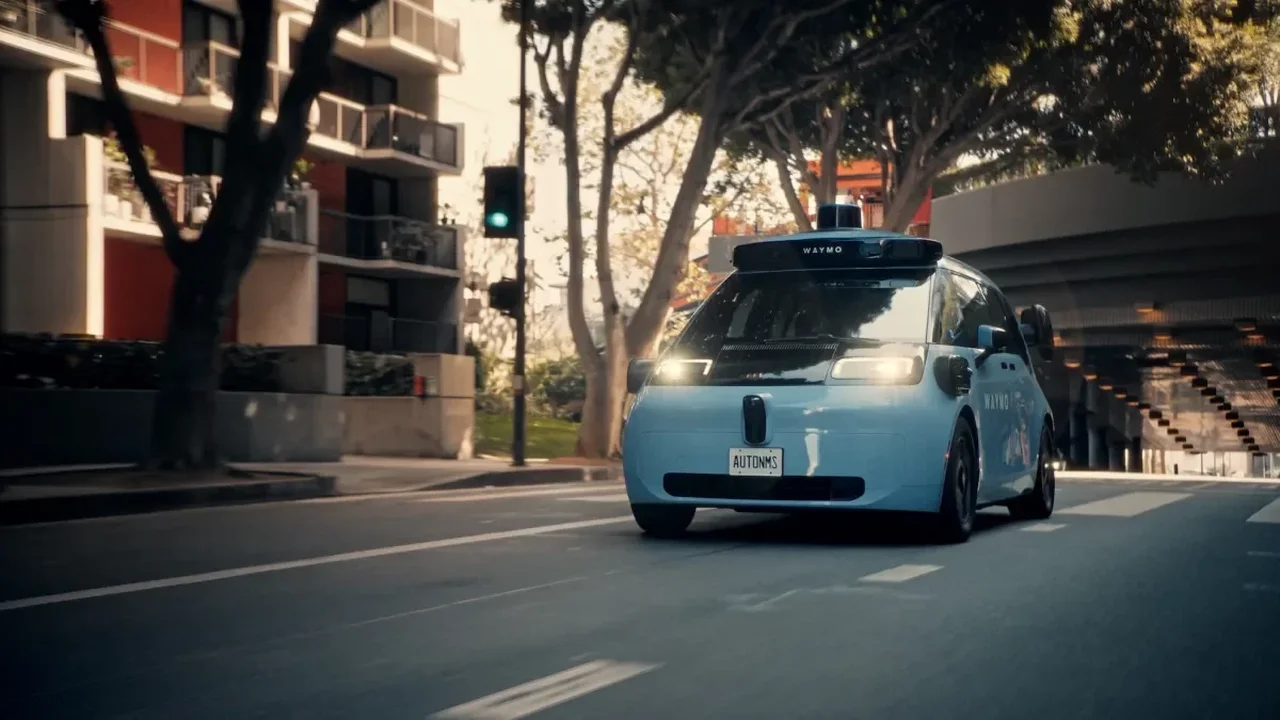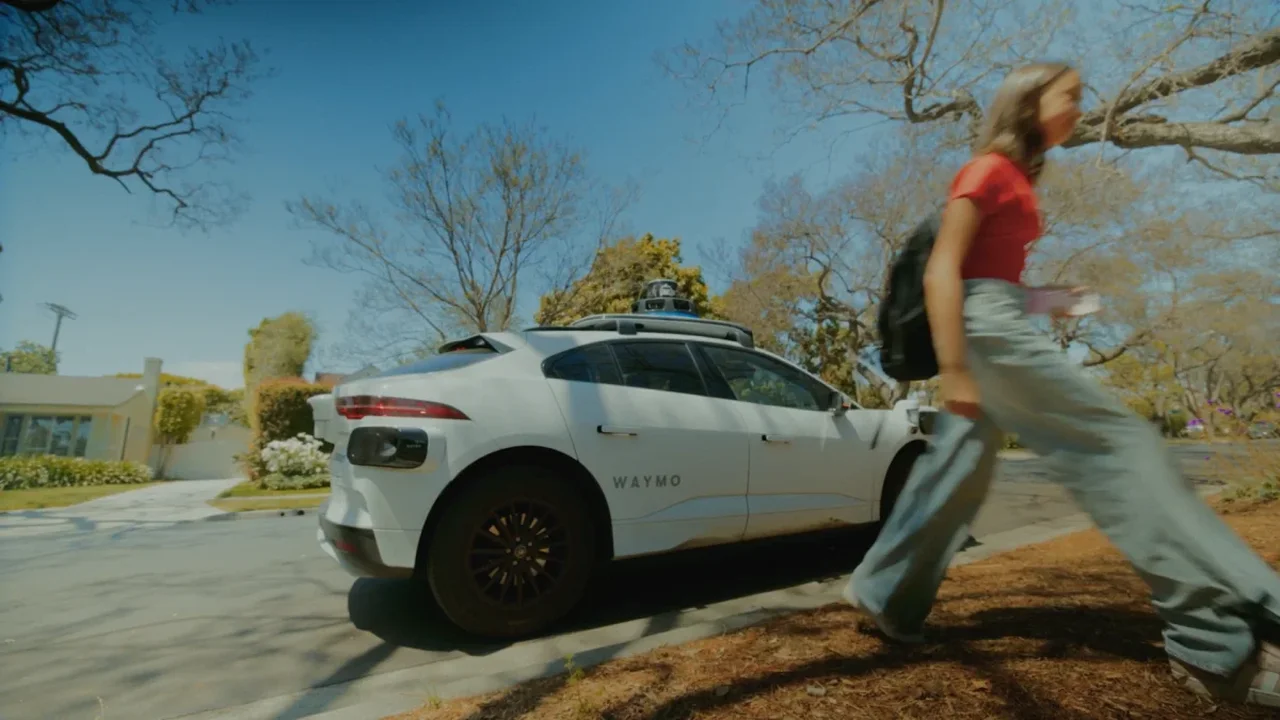
Welcome to the latest edition of TechCrunch Mobility, your go-to source for insights into the evolving world of transportation. Recently, Waymo has been at the center of discussions regarding its reliance on remote assistance workers based in the Philippines, a topic that gained attention during a congressional hearing last month.
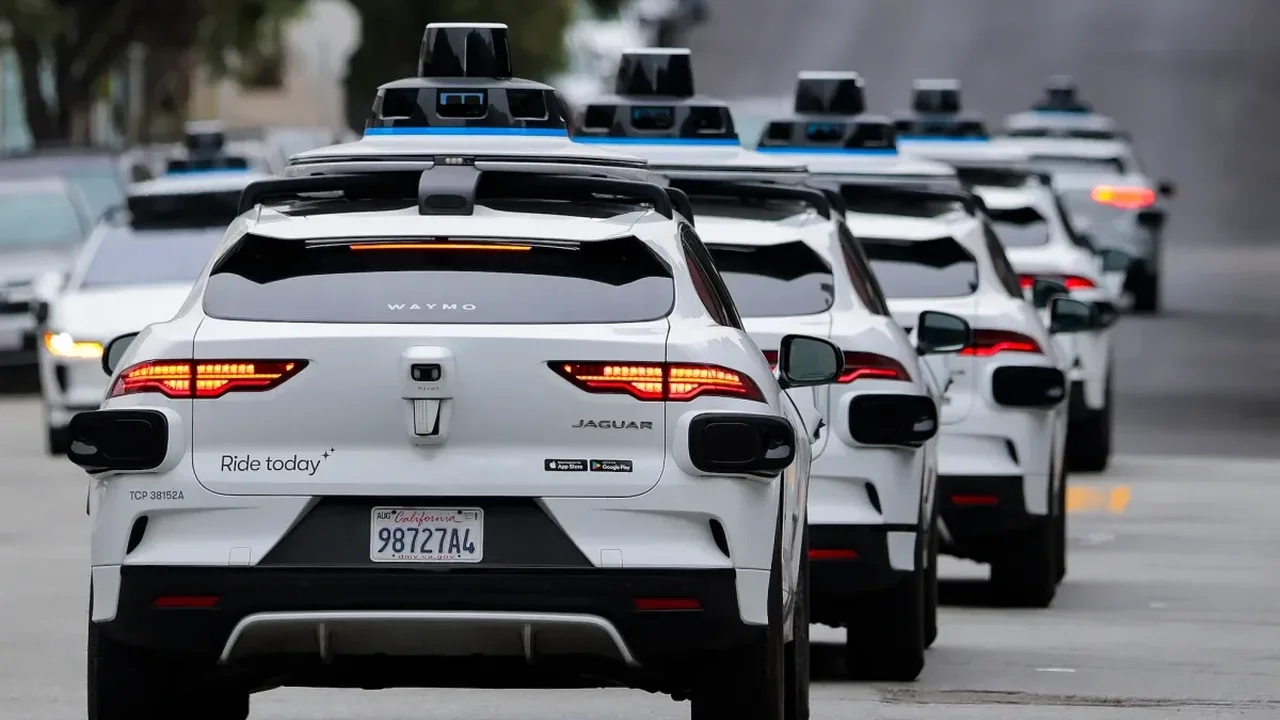
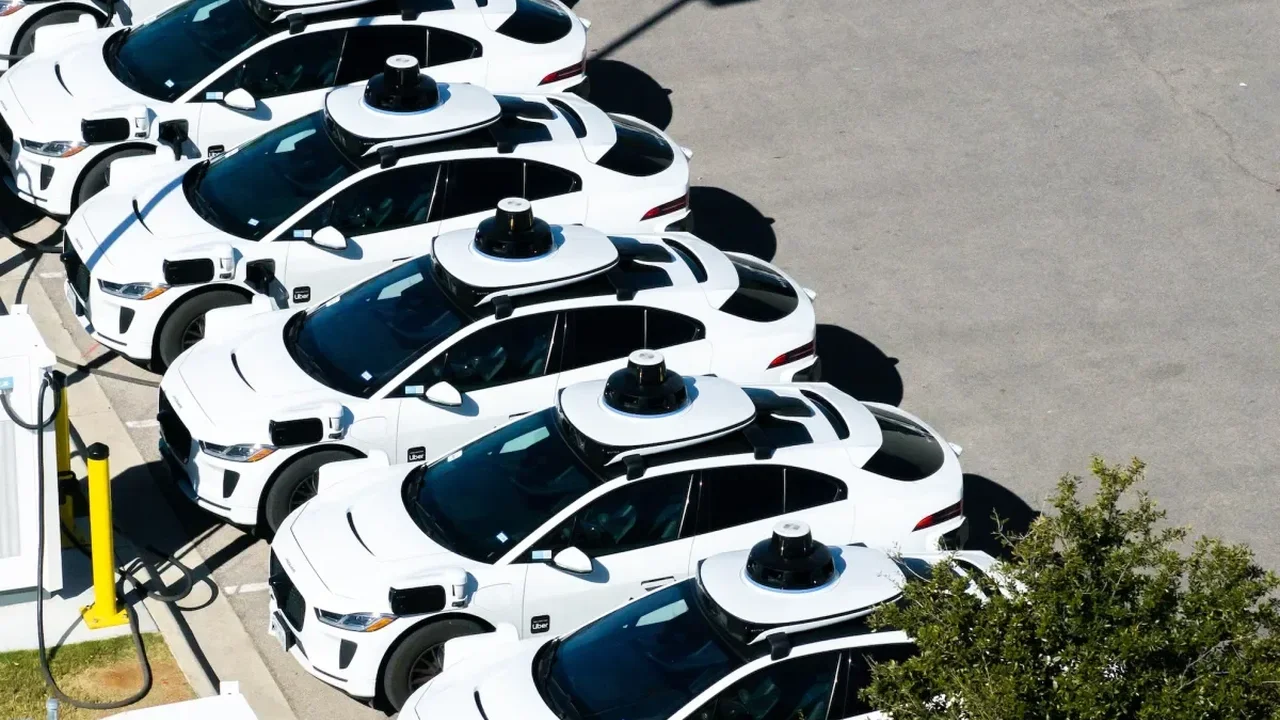
Waymo's robotaxi services are currently operational in ten U.S. cities, with plans for further expansion. However, the concerns surrounding remote assistance extend beyond just Waymo; they highlight broader challenges within the autonomous vehicle (AV) technology sector.
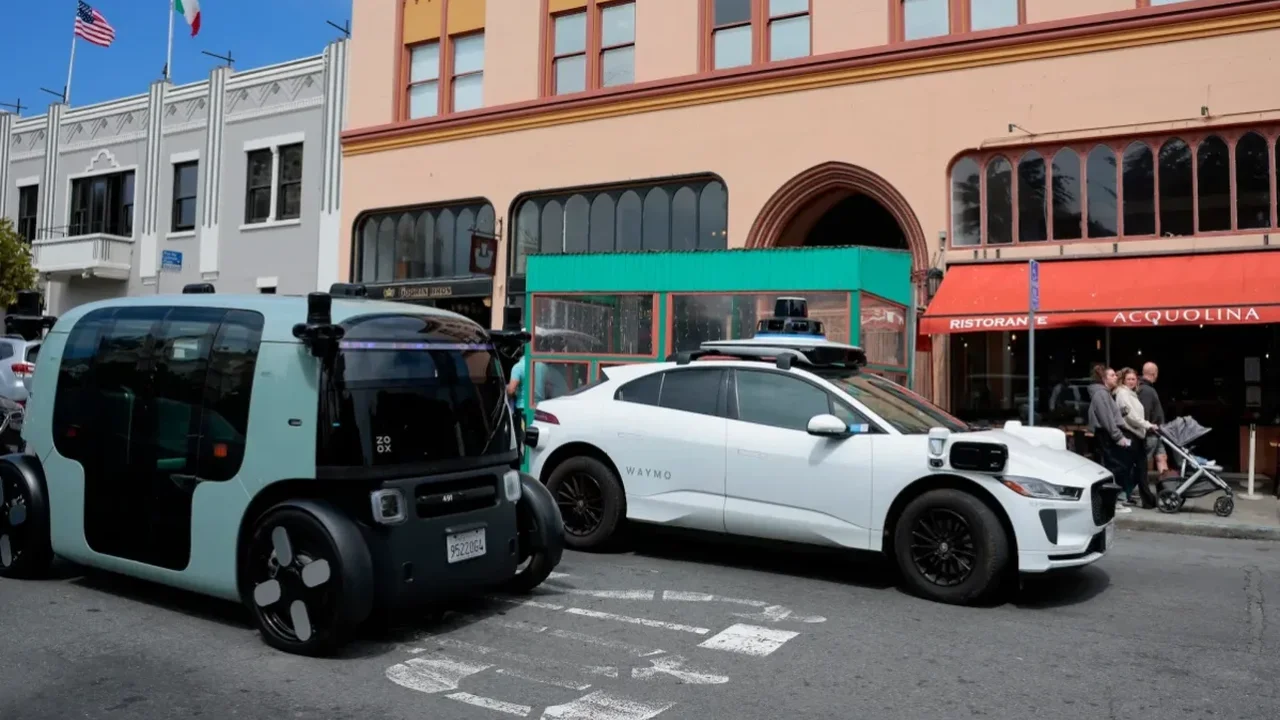
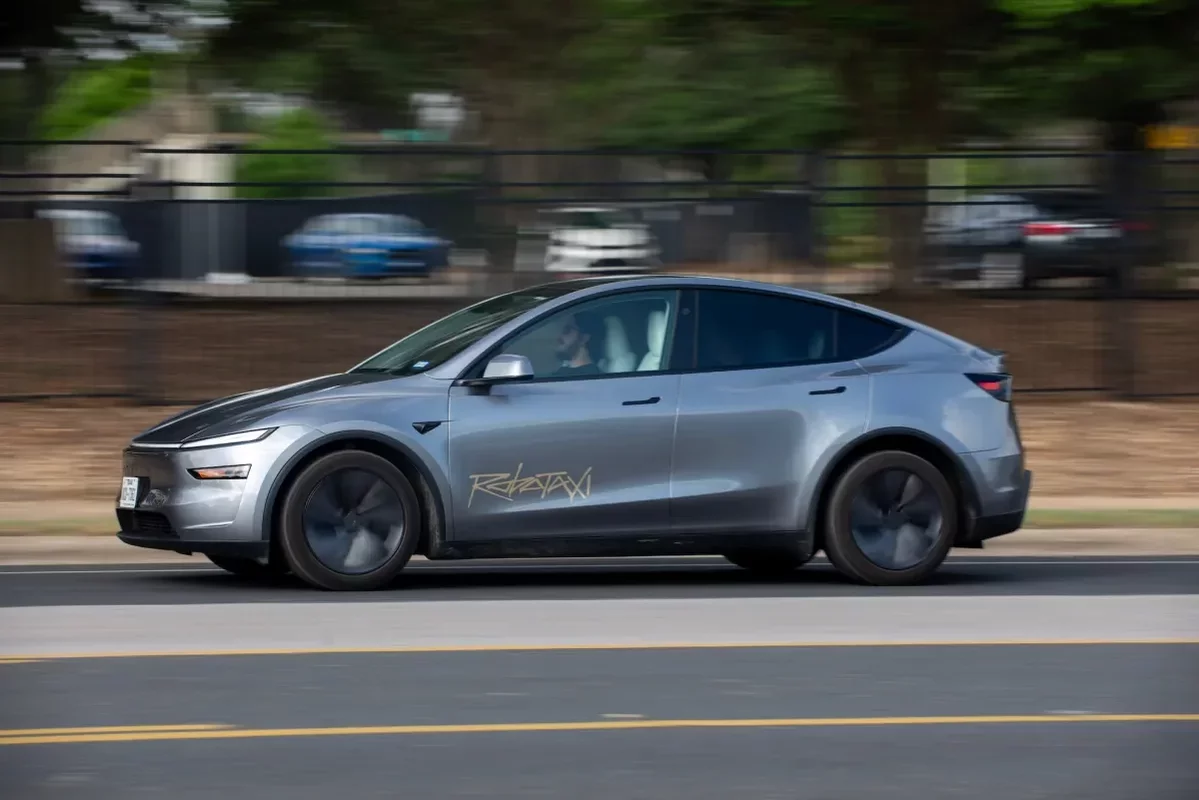
A recent report from Sen. Ed Markey (D-MA) underscores this issue. He reached out to seven key players in the autonomous vehicle industry, including Aurora, May Mobility, Motional, Nuro, Tesla, Waymo, and Zoox, seeking clarity on how frequently their vehicles depend on remote support. Unfortunately, these companies largely declined to provide specific responses, leading Markey to express his disappointment over the "stunning lack of transparency" regarding the use of remote assistance in guiding their vehicles.
This lack of communication is particularly alarming as it raises questions about safety and accountability in the rapidly advancing field of autonomous transportation. Markey has called upon the National Highway Traffic Safety Administration to investigate the practices of these companies and is actively working on legislation aimed at establishing stricter regulations for the use of remote operators in AV technology.
As the demand for autonomous vehicles grows, so does the need for transparency and trust. Companies must be held accountable to ensure that safety measures are in place and that users are informed about how these technologies operate. The ongoing dialogue initiated by policymakers like Markey is crucial in shaping a future where autonomous vehicles can operate safely and effectively.
The implications of these developments may significantly influence the future of autonomous transportation. As technology continues to evolve, fostering transparency and accountability will be essential in building public trust and ensuring the safety of all road users.