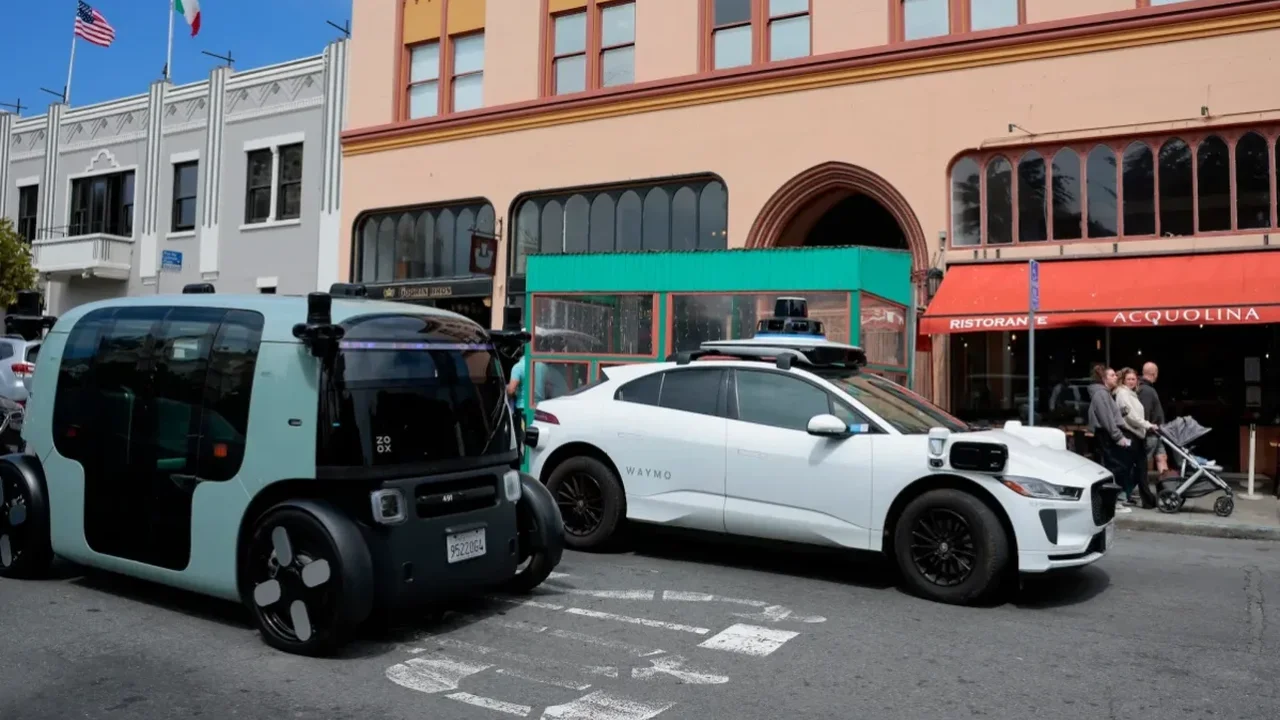
Waymo is sharpening its robotaxi strategy with a deeper focus on hardware. The company revealed that its sixth-generation self-driving system includes a custom 5 nm ASIC chip designed to process raw sensor data before it reaches the vehicle's central driving intelligence.
According to Waymo, the chip delivers more than 1,000 TOPS of computing power, placing it in a performance range comparable to advanced automotive processors built for autonomous driving. The system is intended to support fast, efficient decision-making in dense urban environments, where speed and precision matter most.
The move also highlights how far Waymo has advanced in vertical integration. The company says the next-generation Ojai robotaxi is built to be cheaper to produce, operate, and maintain, a key step toward long-term scalability. Alongside the chip announcement, Waymo named several technology partners involved in its compute ecosystem, including AMD, Nvidia, Samsung, and TSMC.
Beyond Waymo, the autonomous mobility sector continues to accelerate. Also, the Rivian-born startup, raised another $150 million as it expands from micromobility into autonomous small electric vehicles. Serve Robotics also broadened its delivery network through new partnerships with Grubhub and DoorDash, while Uber added fresh momentum to drone delivery through Zipline.
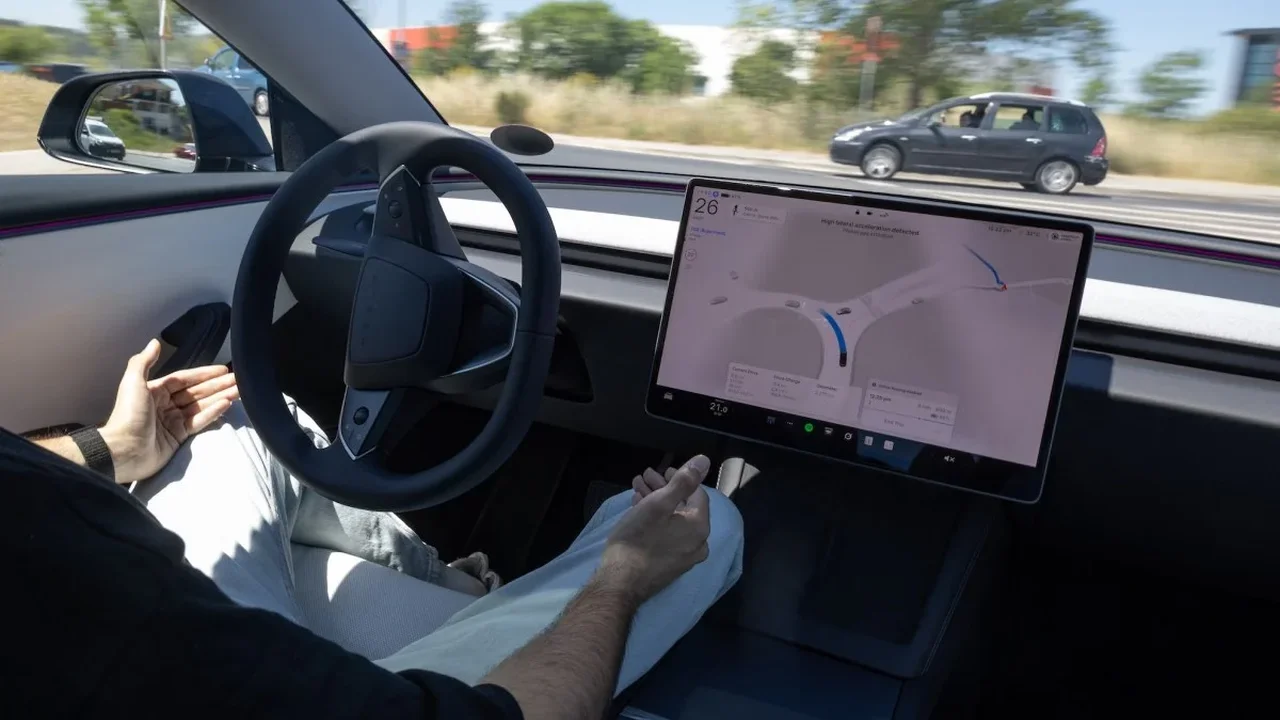
At the same time, robotaxi deployment is widening across major markets, with Nevada approving commercial operations for Tesla, Uber, and Waymo in Clark County. The latest wave of hardware, software, and partnership activity shows that autonomy is moving from experimentation toward large-scale infrastructure. The next phase of mobility may be shaped as much by custom silicon as by the vehicles themselves.