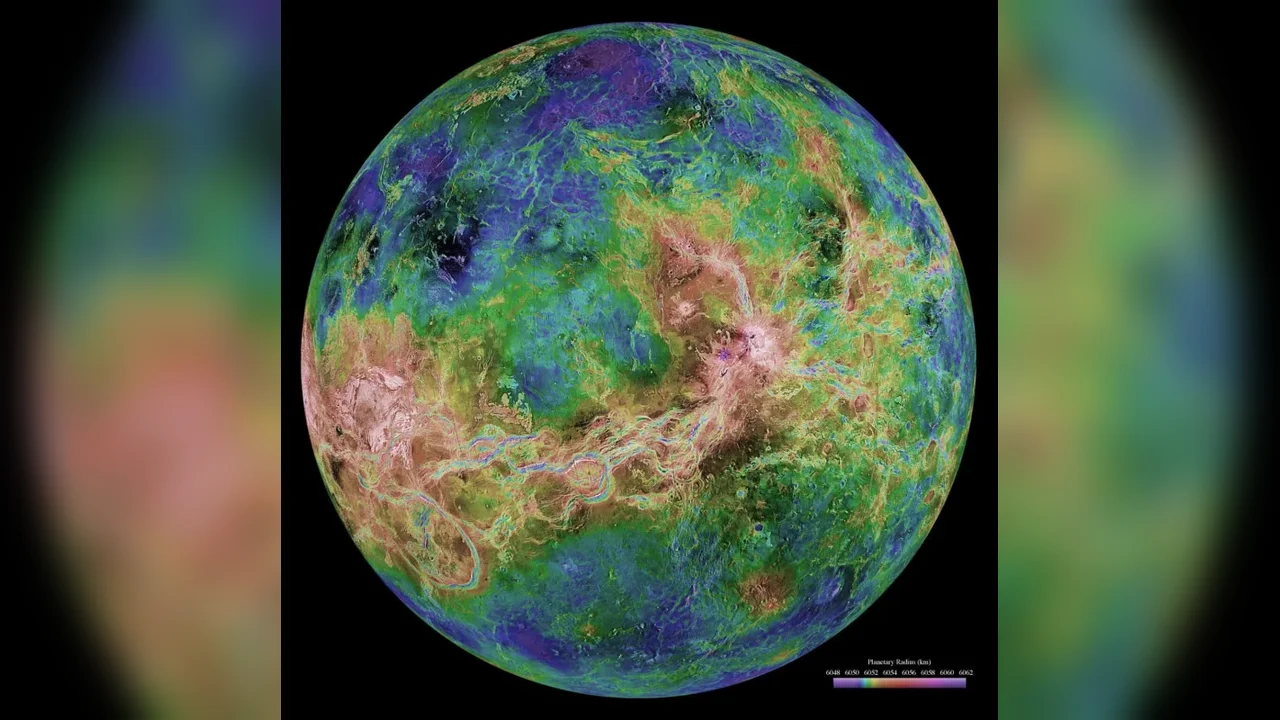
Venus, often described as a world frozen in time, may in fact still be reshaping itself beneath its blazing atmosphere. New 3-D simulations suggest that some of the planet's giant rift systems could be actively widening, or may have only recently stopped moving.
A Planet That Still May Be Evolving
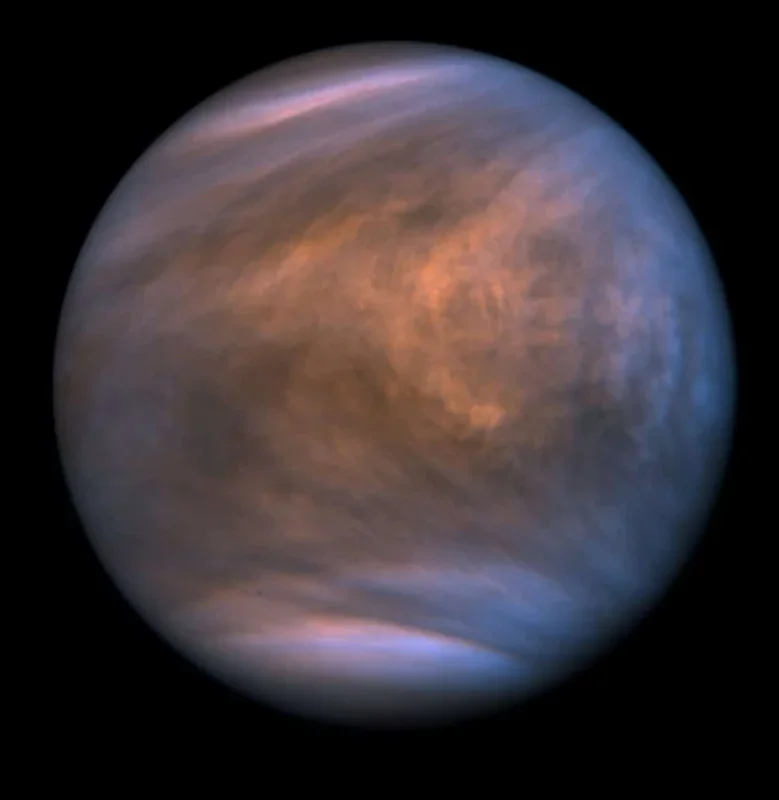
With surface temperatures around 465°C and crushing atmospheric pressure, Venus is one of the most extreme worlds in the solar system. For decades, it was widely viewed as geologically quiet because it does not have Earth-like moving tectonic plates. Yet recent radar-based studies and fresh modeling are painting a more dynamic picture.
The latest research, published in Nature Geoscience, focuses on Venus's vast rift valleys, known as chasmata. These formations can stretch for thousands of kilometers and are created when a planet's outer shell pulls apart. On Earth, the East African Rift offers a familiar example of this process.
What the Simulations Reveal
The study was led by Xi Yang, Taras Gerya, and Anna Gülcher, who built detailed thermomechanical models to track how Venusian rock stretches, fractures, and relaxes over time. Their results show that rift zones with broad, elevated flanks are most likely to be active or recently active.
Because Venus lacks rain, rivers, and oceans, its landscape changes slowly. That makes topography a valuable clue. In the simulations, rift flanks gradually flatten after extension ends, so a sharply uplifted rift edge may signal more recent movement.
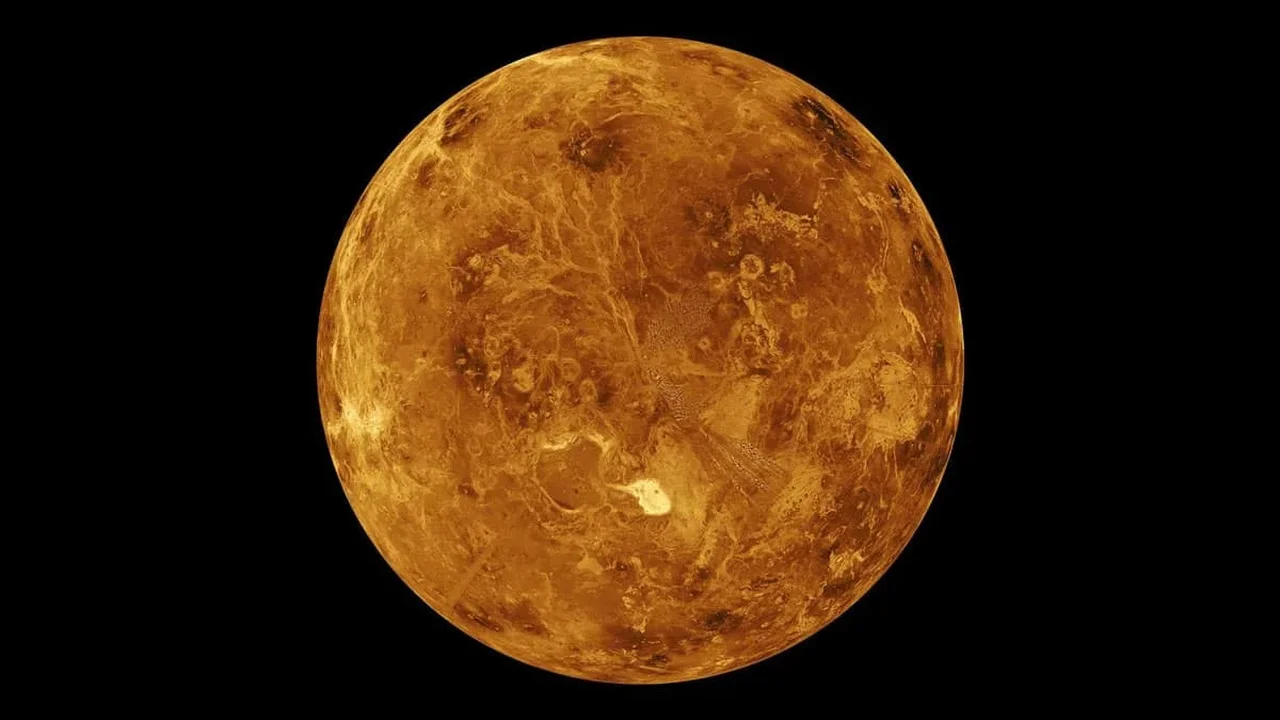
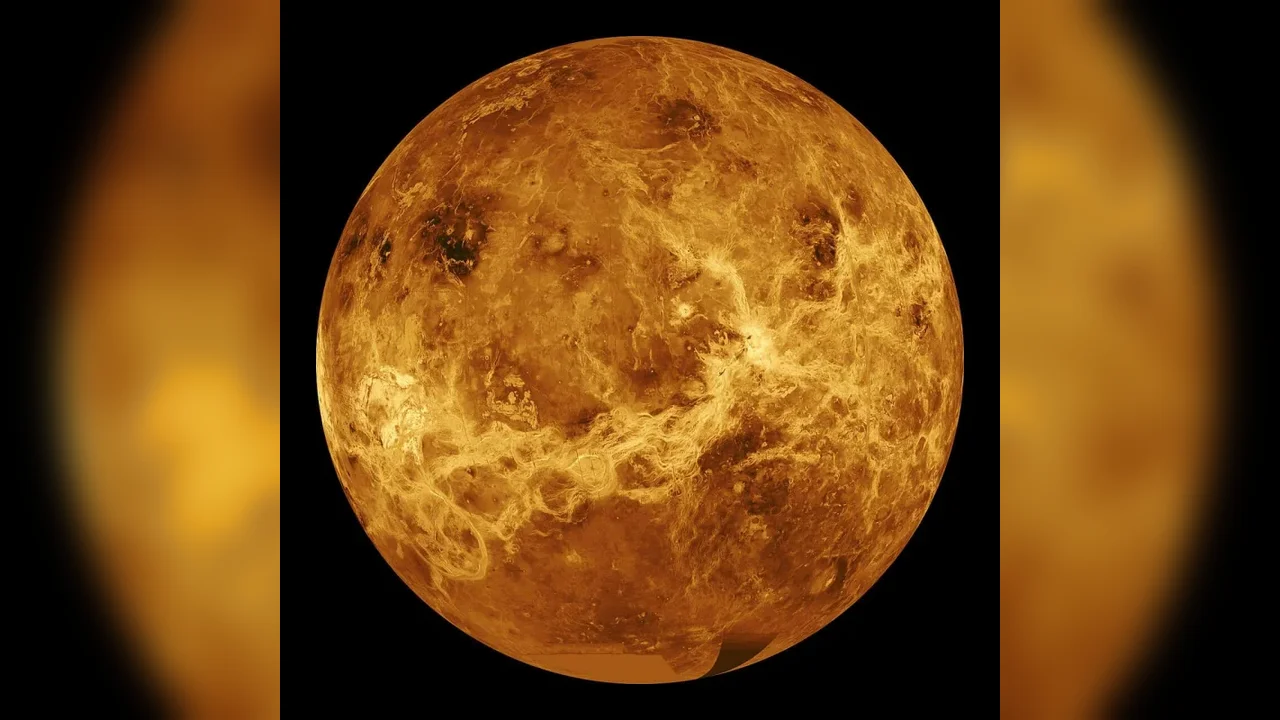
The team compared the models with radar observations from NASA's Magellan spacecraft. Several regions, including parts of Ganis, Dali, and Devana Chasmata, matched the pattern expected from young or ongoing tectonic stretching.
Why This Matters for Future Missions
The findings could help guide upcoming Venus missions. ESA's EnVision, planned for launch in 2031, and NASA's VERITAS, also targeted for the early 2030s, are expected to deliver sharper maps and deeper insight into the planet's interior and surface.
By focusing on the most promising rift systems, these missions may be able to test whether Venus is still internally active and how its surface continues to evolve. If confirmed, the result would reshape our understanding of rocky planets and the forces that keep them changing over time.
Venus may be less dormant than it appears, and future exploration could reveal a planet still in motion beneath its brilliant, hostile sky.