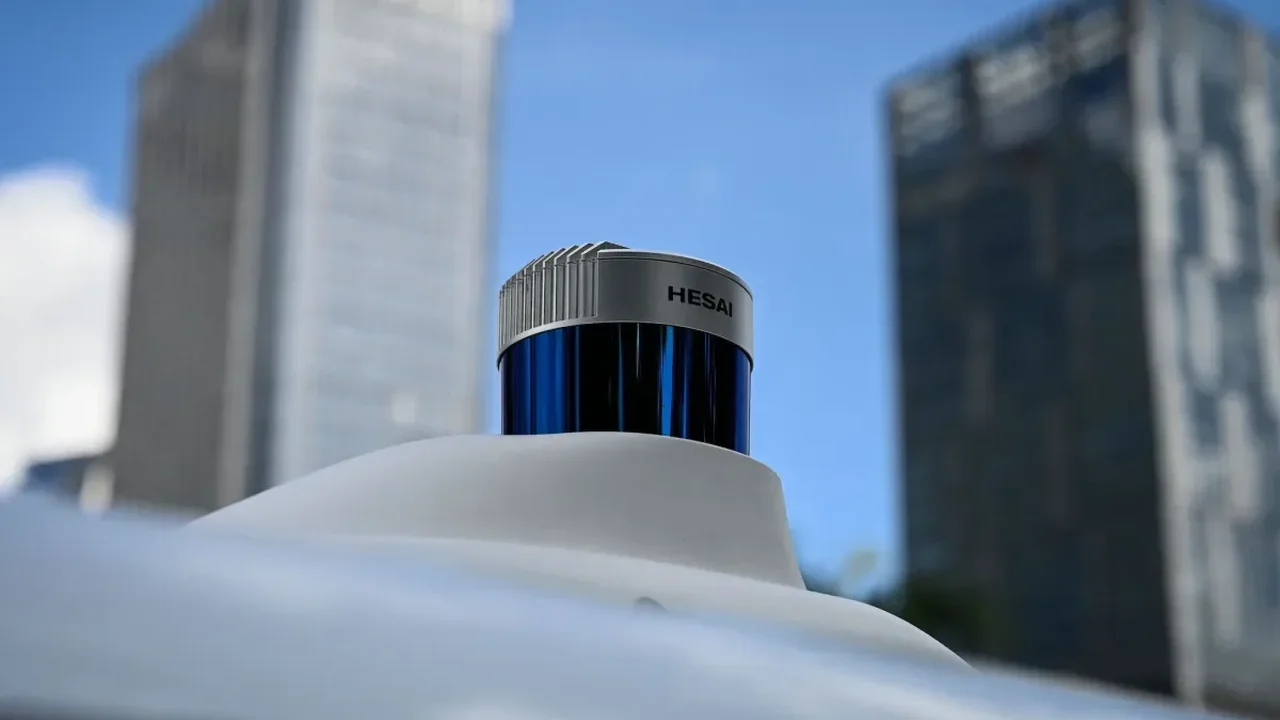
A U.S. Department of Energy laboratory is evaluating whether Chinese lidar sensors could create security concerns if they become widely adopted in American vehicles, according to people familiar with the effort.
The review is being carried out by Idaho National Laboratory and is reportedly funded by one or more companies in the electric and autonomous vehicle sector. The exact backers have not been identified.
Lidar, short for light detection and ranging, uses laser pulses to map nearby surroundings with high precision. That capability has made it a key tool for self-driving systems, where detailed environmental sensing is essential.
The study comes as automakers and policymakers weigh the balance between lower-cost components and long-term system resilience. Chinese suppliers such as Hesai and RoboSense have helped drive lidar prices down sharply over the past decade, making the technology more accessible for vehicle makers.
Industry experts say the main questions involve supply-chain dependence and cybersecurity. One concern is that a sensor network could be disrupted at scale, while another is whether detailed environmental data could be compressed and transmitted in ways that raise privacy and security issues.
At the same time, U.S. companies continue to explore lidar as part of advanced driver-assistance and autonomous driving platforms. The outcome of this review may help shape how manufacturers think about sourcing, testing, and deploying next-generation vehicle sensors.
As autonomous mobility expands, independent technical assessments like this could influence how future transportation systems are built, secured, and trusted.