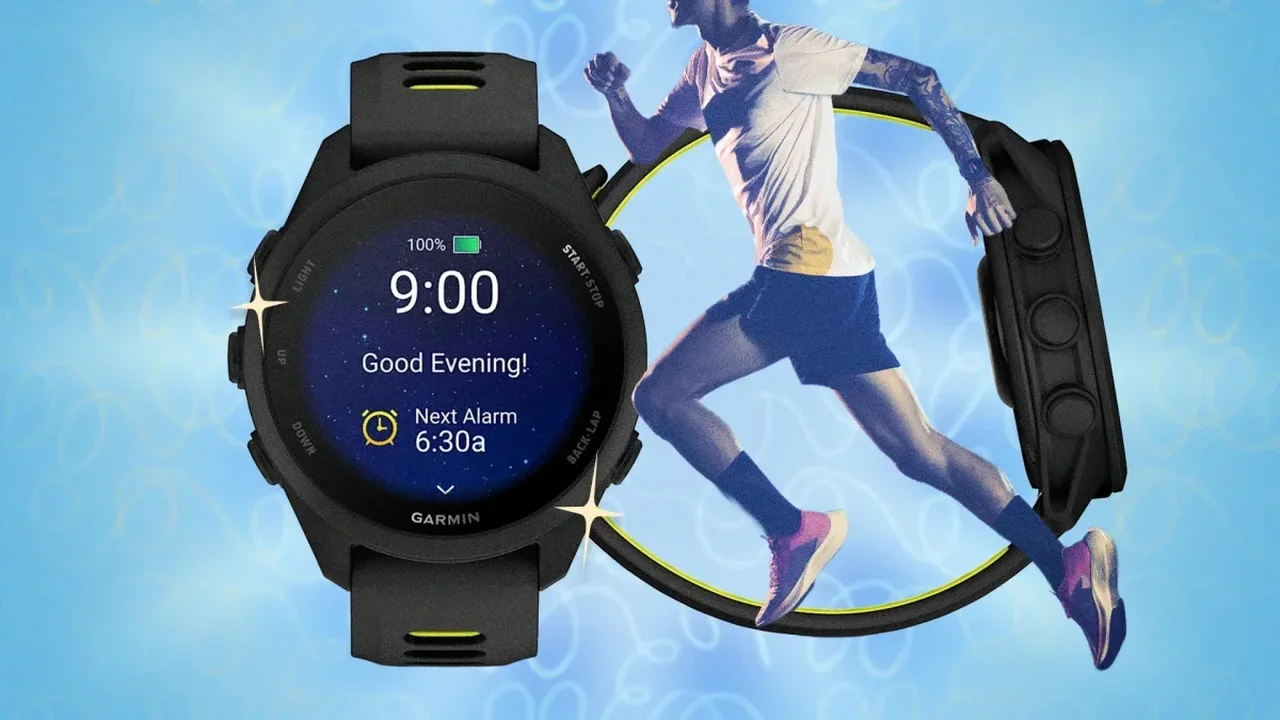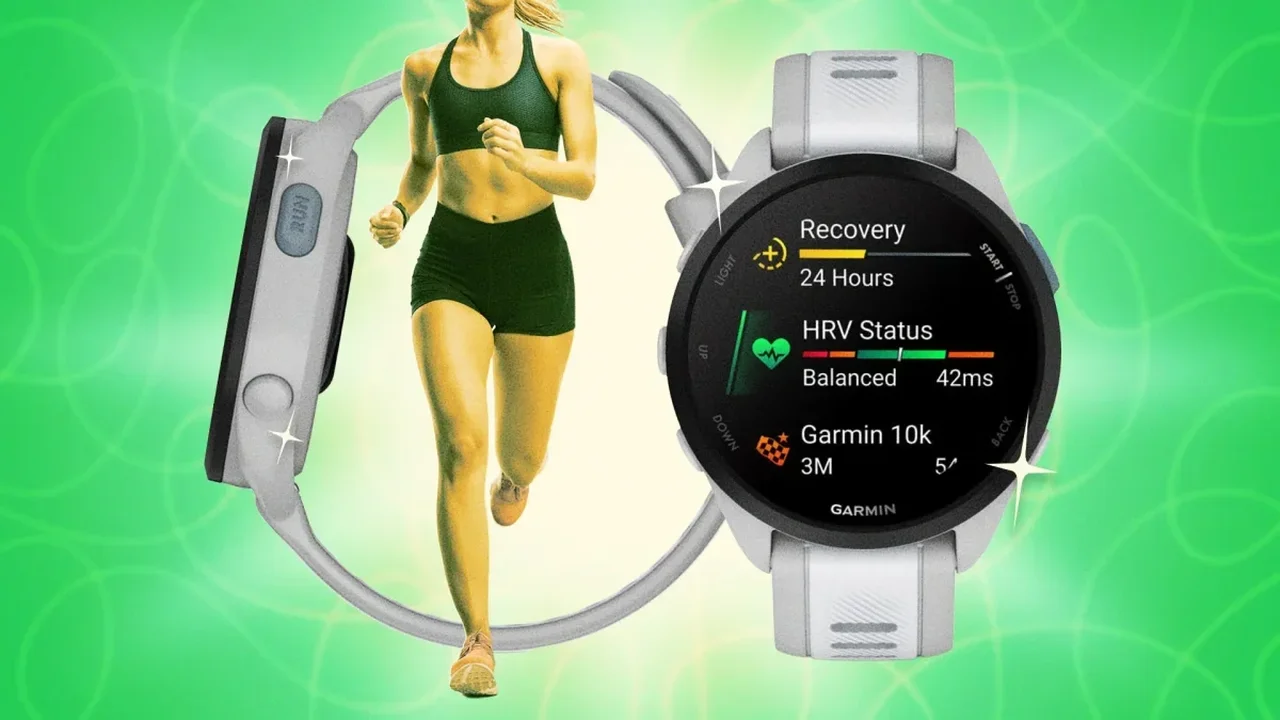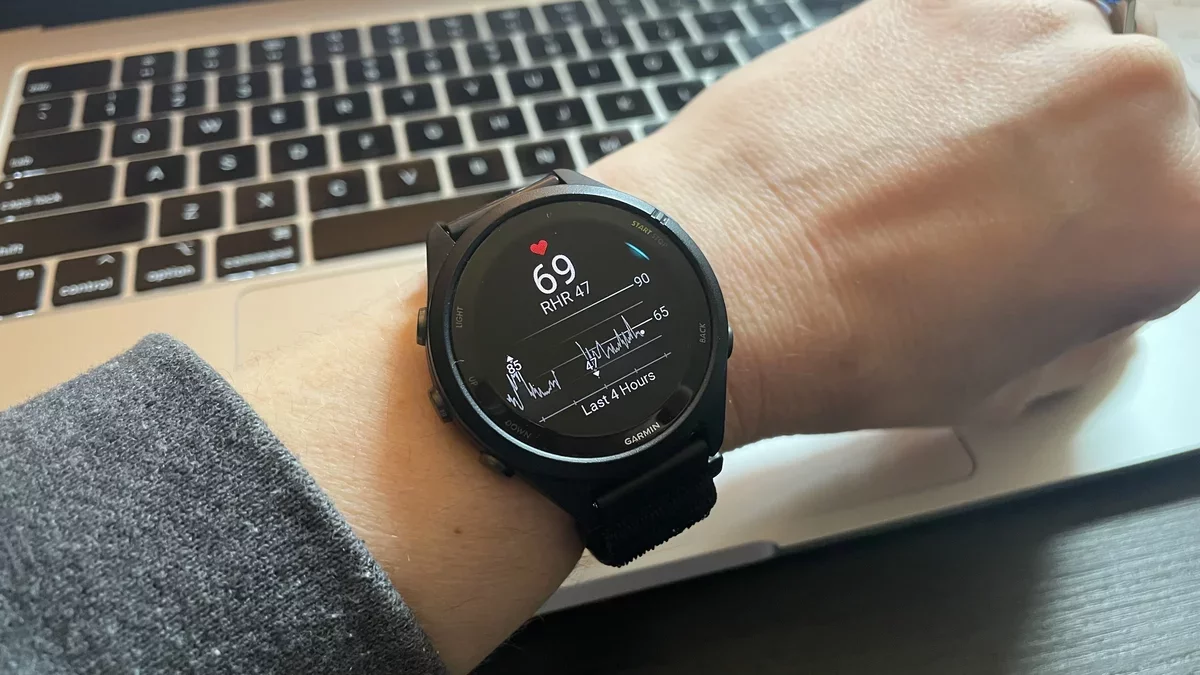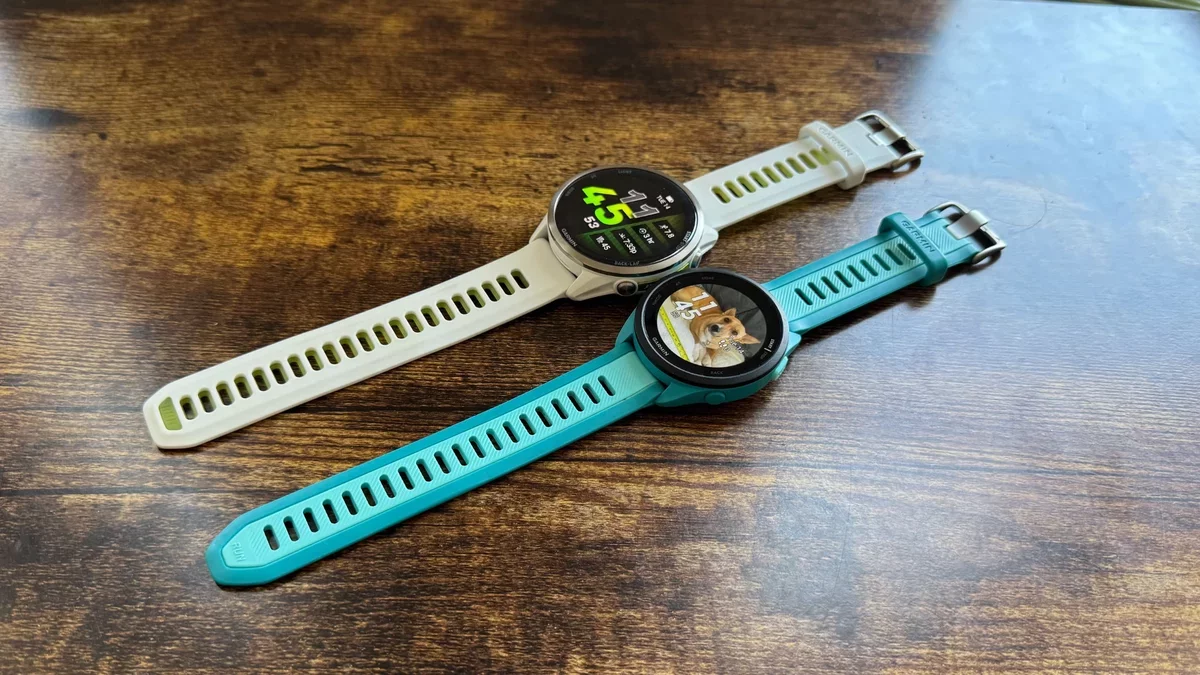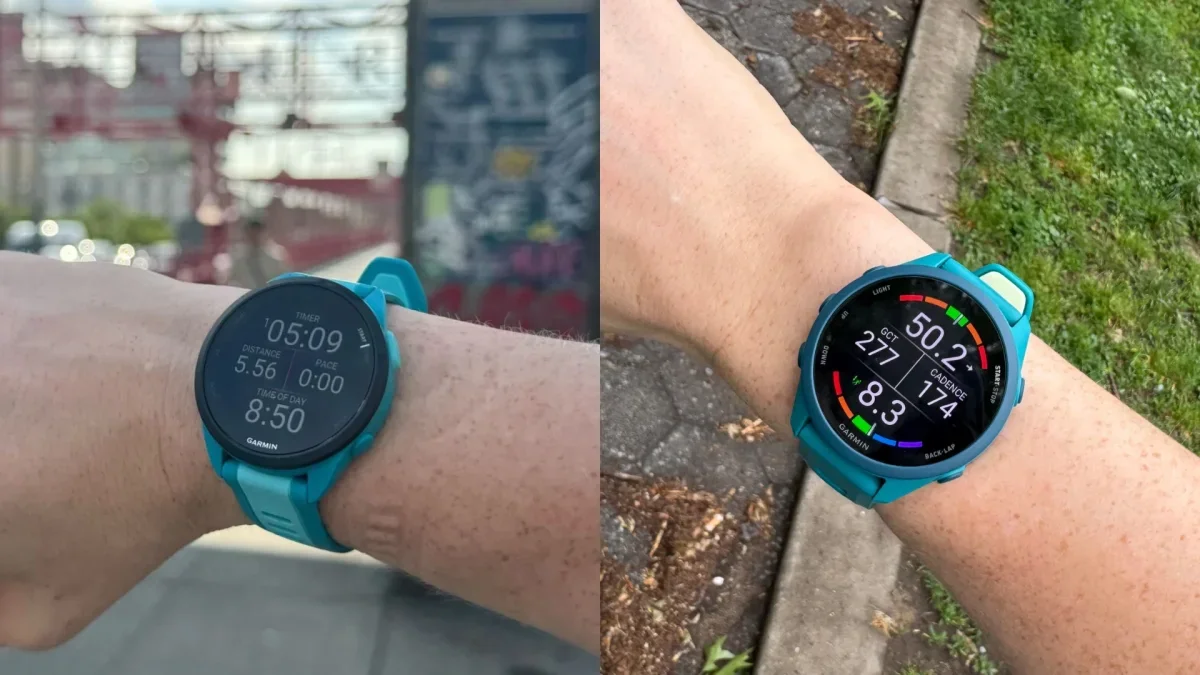
The Garmin Forerunner 165 has long been a favorite among fitness enthusiasts. With the recent launch of its successor, the Forerunner 170, many are left wondering about the improvements and whether an upgrade is worthwhile. After conducting a thorough comparison of both models, here's an overview to help you decide which watch best suits your running style.
Evaluating the Price Difference
The Forerunner 170 is priced at $299, while the 165 typically retails for around $249. However, frequent sales often place the 165 at a significantly lower price point, sometimes creating a gap of nearly $100 between the two models. Although the 170 boasts advanced features, the 165 remains a strong contender, especially for casual runners.
Similarities Between the Forerunner 165 and 170
At first glance, distinguishing between the two watches can be challenging. Both feature a lightweight design with a 1.2-inch AMOLED touchscreen and five physical buttons. The primary aesthetic difference lies in the 170's colorful bezel options compared to the 165's monochrome design.
Internally, both models share the same GPS and optical heart rate sensors. The 170 introduces a new gyroscope for enhanced movement tracking, but if you're seeking significant hardware upgrades, you may need to look at higher-end models.
New Features of the Garmin Forerunner 170
The enhancements in the Forerunner 170 are primarily software-based. Notable features include Training Readiness, Training Status, and Acute Load analytics, previously exclusive to more expensive Garmin models. Training Readiness provides a daily score to guide your workout intensity, while Training Status helps assess your overall fitness progress. Additionally, a Quick Workout feature allows users to customize sessions based on desired effort levels.
The 170 also includes new widgets and tools like Lifestyle Logging, Health Status, Evening Report, and Sleep Coach, which are not available on the 165. Battery life for the 170 is approximately 10 days in smartwatch mode, slightly less than the 165's 11-13 days, which may be a consideration for frequent travelers.
Who Should Choose Which Model?
If you are a dedicated fitness enthusiast who values detailed analytics, the Forerunner 170 is worth the investment. It will continue to receive updates and new features over time. Conversely, if you are a more casual runner who does not prioritize recovery metrics, the Forerunner 165 offers excellent value, especially at discounted rates.
In summary, if you're starting fresh, consider the 170. If you currently own the 165 and are training casually, it may not be necessary to upgrade. However, for those looking to enhance their performance tracking, the 170 is a compelling option.