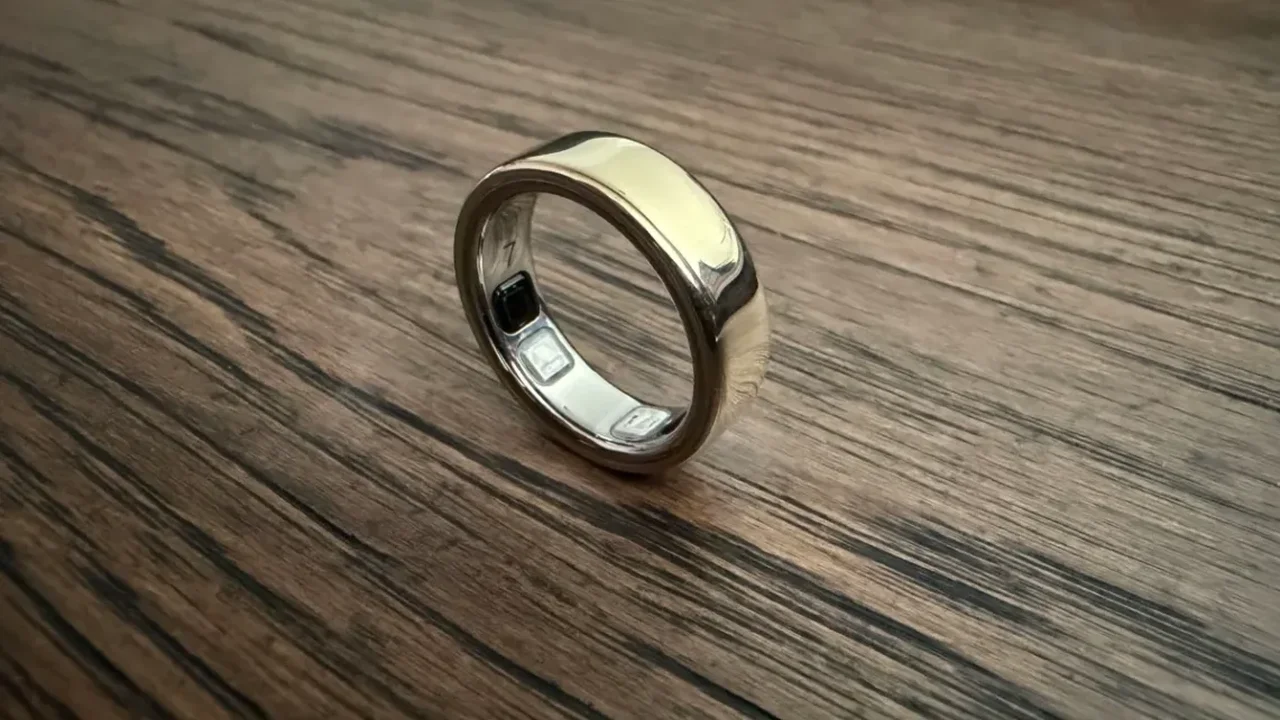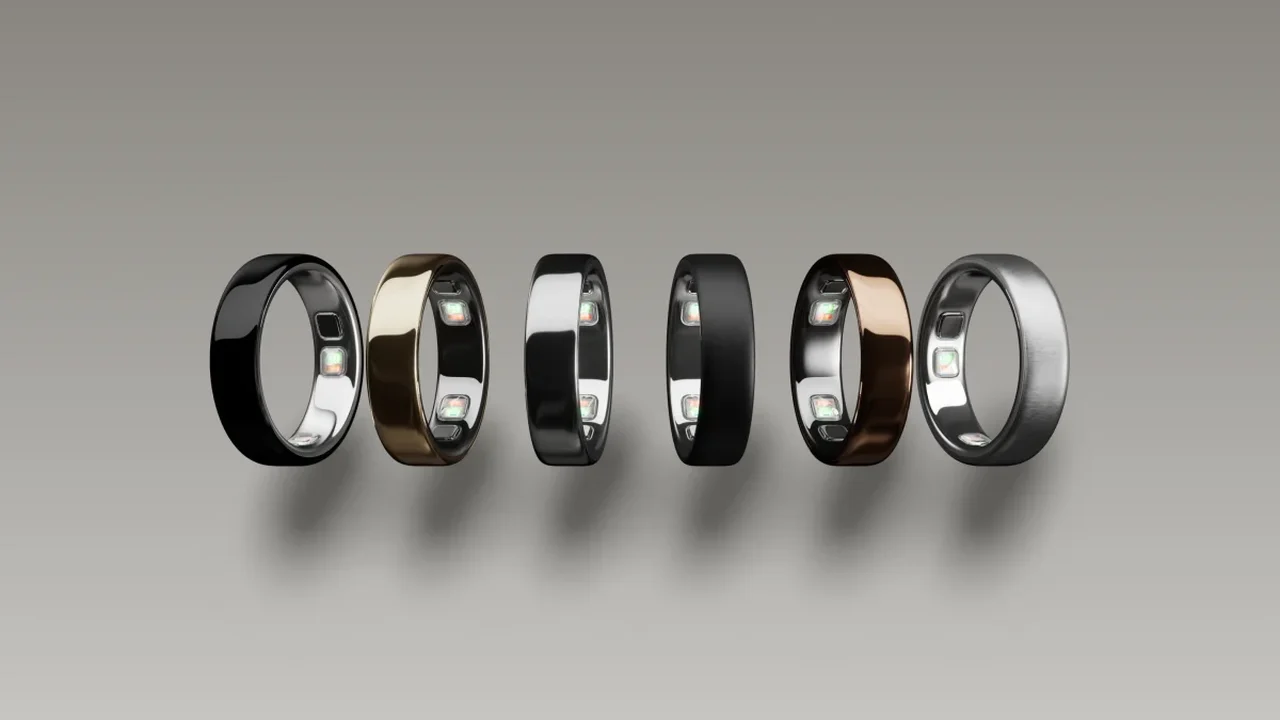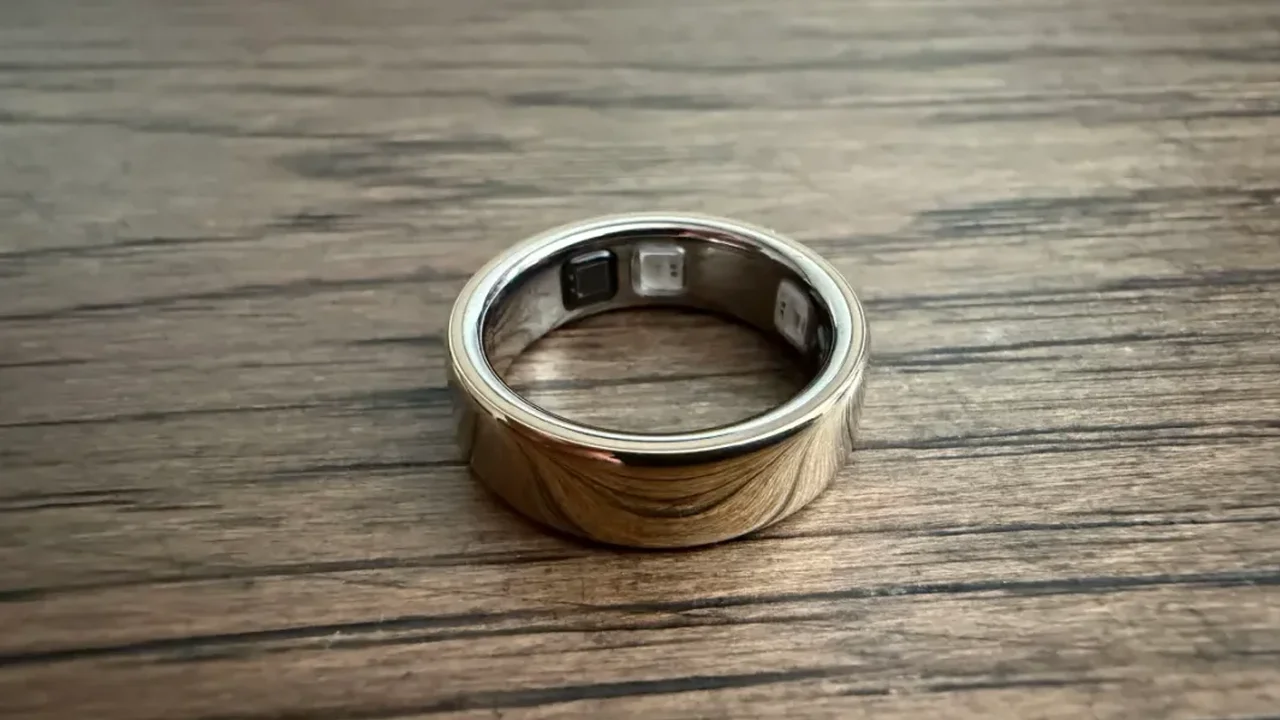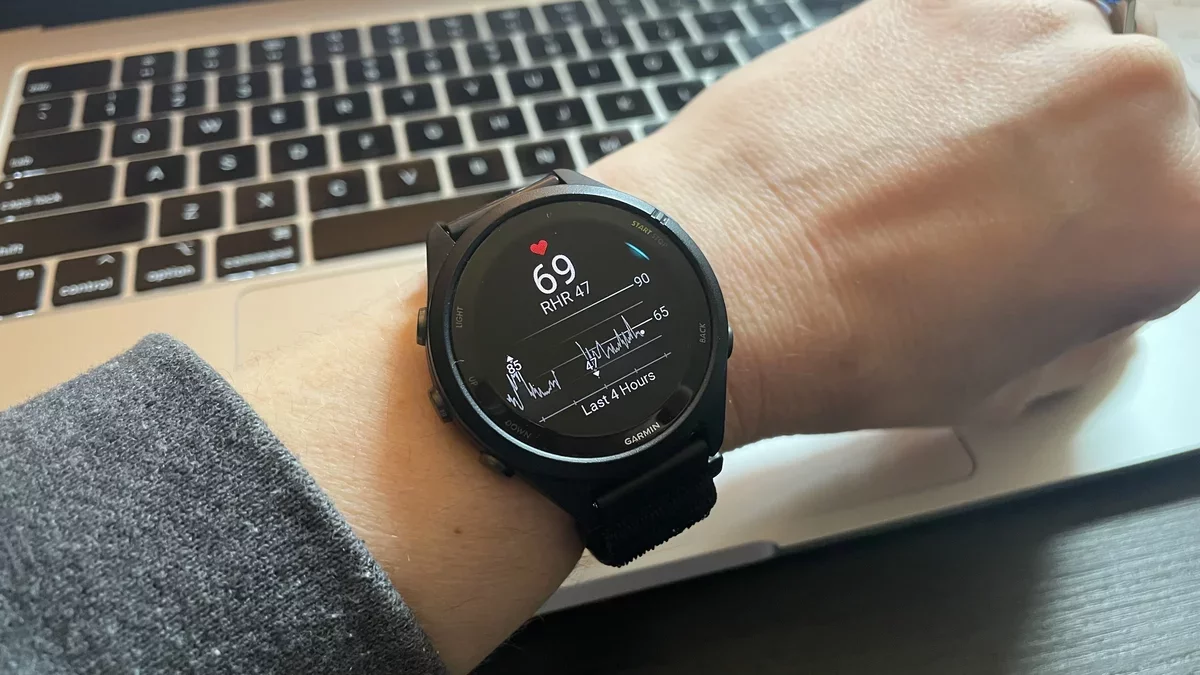
Monitoring our heart rates can provide valuable insights into our health, especially when we are at rest. While exercising naturally elevates our heart rates, knowing your resting heart rate (RHR) can also be beneficial. Many wearable devices, such as smartwatches and fitness trackers, can accurately report your RHR, helping you understand your cardiovascular health better.
Defining a Normal Resting Heart Rate
Typically, medical professionals classify a resting heart rate between 60 and 100 beats per minute (bpm) as "normal." However, this standard is often based on measurements taken in clinical settings where individuals are seated and possibly anxious. Wearable devices may capture lower rates, particularly during sleep. For instance, users of Oura smart rings commonly report RHRs between 50 and 60 bpm, while Whoop users average around 59 bpm for women and 55 bpm for men.
It's important to note that these lower averages are often seen in individuals who are more health-conscious or athletic. The general 60 to 100 bpm range reflects the broader population, so not achieving lower numbers is perfectly acceptable.
The Advantage of a Lower Resting Heart Rate
A lower resting heart rate is usually indicative of good cardiovascular health and fitness. Individuals who engage in regular cardiovascular exercise often notice a gradual decrease in their RHR, signifying improved fitness levels. However, short-term increases in RHR can indicate various factors:
Physical or mental stress
Menstrual cycle phases
Onset of illness
Medications affecting heart rate
Sleep disruptions
Tracking your RHR can be an effective method to gauge your body's recovery and stress levels. While occasional spikes are normal, consistently elevated rates may warrant further health evaluations.
Individual Differences in Resting Heart Rates
It's essential to recognize that comparing resting heart rates with others can be misleading. Factors such as body size, fitness levels, and even age contribute to variations in RHR. Generally, smaller individuals tend to have slightly higher resting rates, and women's averages are often a few beats higher than men's.
Additionally, different wearable devices may yield varying RHR readings. For example, one study found discrepancies of up to 10 bpm between devices like Fitbit and Oura. Thus, focusing on personal trends over time is more beneficial than comparing numbers with others.
Ultimately, monitoring your resting heart rate can provide insights into your health and fitness journey. As you engage in regular exercise and maintain a balanced lifestyle, observing a downward trend in your RHR can be a positive sign of your cardiovascular progress.
As we continue to embrace technology in health monitoring, understanding and tracking our resting heart rates could significantly enhance our approach to personal wellness in the future.